

Beijing prioritises domestic production, farmland quality, and seed innovation to cut import dependence and protect long-term food supply
BEIJING: China has reaffirmed its commitment to safeguarding food security by stabilising grain production and sharply increasing domestic output of soybean and oilseed crops, signalling a renewed push to reduce reliance on agricultural imports amid global uncertainty.
The policy direction emerged from high-level agricultural discussions held this week, including the Central Rural Work Conference, where Chinese officials outlined priorities for the country’s vast farming sector. The focus, authorities said, will be on maintaining steady grain and edible oil production while improving crop quality, yields, and resilience.
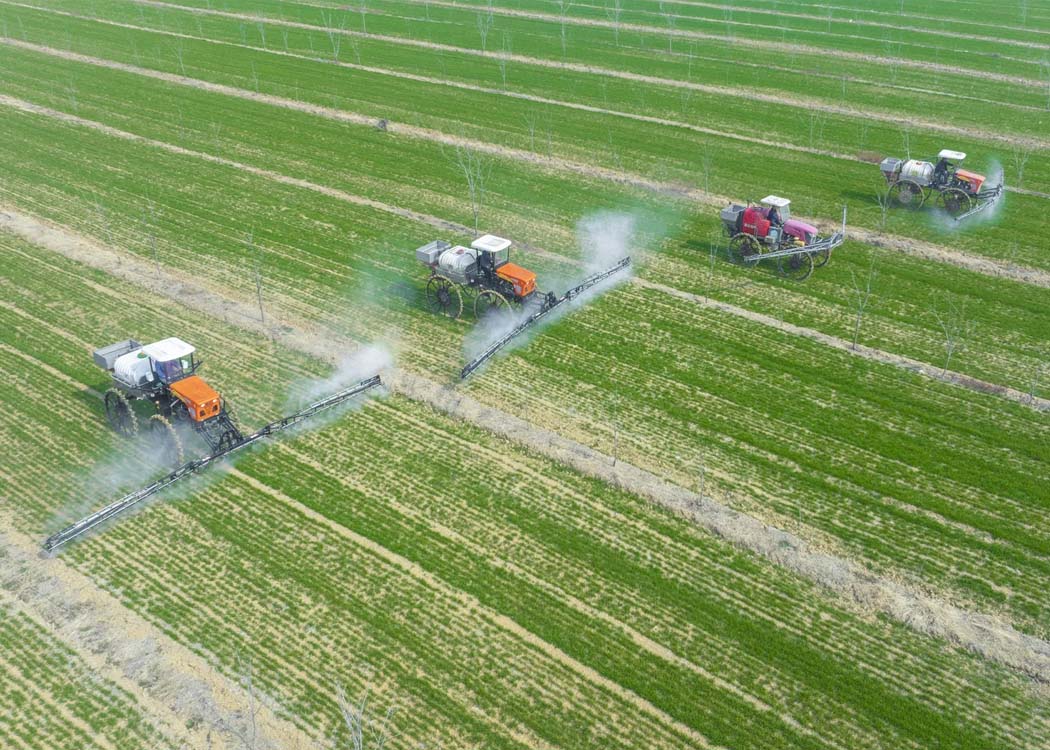
Officials stressed the need to integrate high-quality farmland, advanced seed varieties, modern agricultural machinery, and improved farming practices to strengthen overall production capacity. This integrated approach, they noted, is essential for ensuring consistent food supplies for China’s population while adapting to economic pressures and rapid urbanisation.
At a separate meeting of the Ministry of Agriculture, policymakers called for accelerating yield growth in both grain and oil crops, with particular emphasis on raising the self-sufficiency rate of soybean oilseeds—an area where China remains heavily dependent on imports. Ongoing trade tensions and geopolitical risks have added urgency to this domestic production drive, prompting increased investment in seed technology and agricultural mechanisation.
Beyond production targets, officials also highlighted broader rural development goals. These include boosting farmers’ incomes, supporting stable employment for migrant workers, and extending rural land-use contracts for an additional 30 years once current agreements expire around 2027. Province-wide pilot programmes will be launched to manage this transition and provide long-term security for rural communities. China’s efforts come as the country reports a record grain harvest this year, with total output reaching nearly 715 million tonnes—an achievement authorities view as both a milestone and a foundation for further reforms. Together, the new measures reflect Beijing’s determination to build a more self-reliant, efficient, and resilient agricultural system in the face of evolving domestic and global challenges.