

A strategic investment signals how automation and AI are reshaping the future of food production
China’s agriculture sector is taking a decisive step toward automation as smart farming moves from concept to commercial reality. A recent investment by Shenzhen Kingkey Smart Agriculture Times into Huibo Robotics reflects a broader shift in how food systems are being designed—less dependent on manual labor and increasingly driven by robotics, artificial intelligence, and data-led decision-making.
Rather than focusing solely on expanding traditional livestock or crop operations, agricultural companies are now positioning themselves as technology-driven enterprises. By backing robotics research and establishing dedicated innovation institutes, firms are seeking long-term efficiency gains, precision control, and resilience against rising labor costs and climate variability.
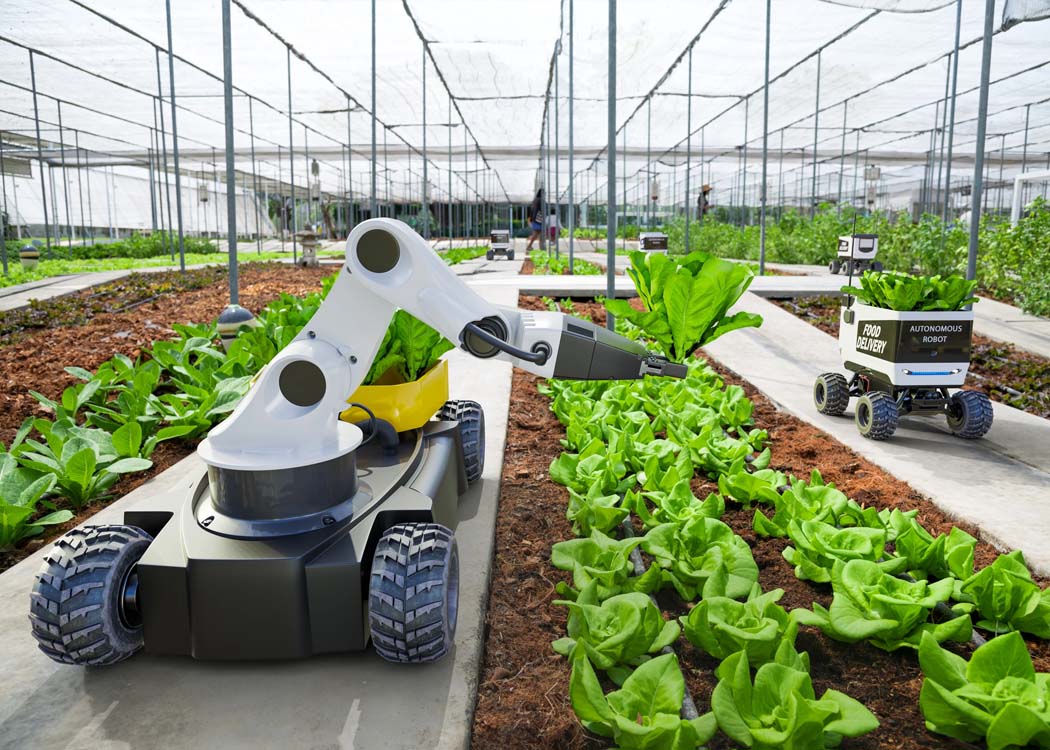
Robotics in agriculture is no longer limited to experimental use. Autonomous systems are being developed for tasks such as feeding, monitoring animal health, crop inspection, harvesting, and logistics. When combined with AI and sensor data, these technologies allow farms to respond in real time to changes in animal behavior, plant health, or environmental conditions—reducing waste while improving productivity.
This investment also highlights a strategic convergence between agri-business and the broader AI ecosystem in China. As embodied intelligence and machine vision advance, agriculture is emerging as a major application area, alongside manufacturing and healthcare. For policymakers, the appeal is clear: smart farming supports food security goals while aligning with national priorities around technological self-reliance. Globally, the move underscores a wider trend. As pressure mounts to produce more food with fewer resources, countries are looking beyond incremental improvements and toward structural transformation. China’s growing emphasis on robotics-driven agriculture suggests that the farms of the future may look less like fields of manual labor and more like integrated, intelligent production systems—where technology is as central as soil and water.