

Saudi Arabia’s move to ban poultry and egg imports from France and Poland comes as part of efforts to control the spread of avian influenza and protect local poultry production.
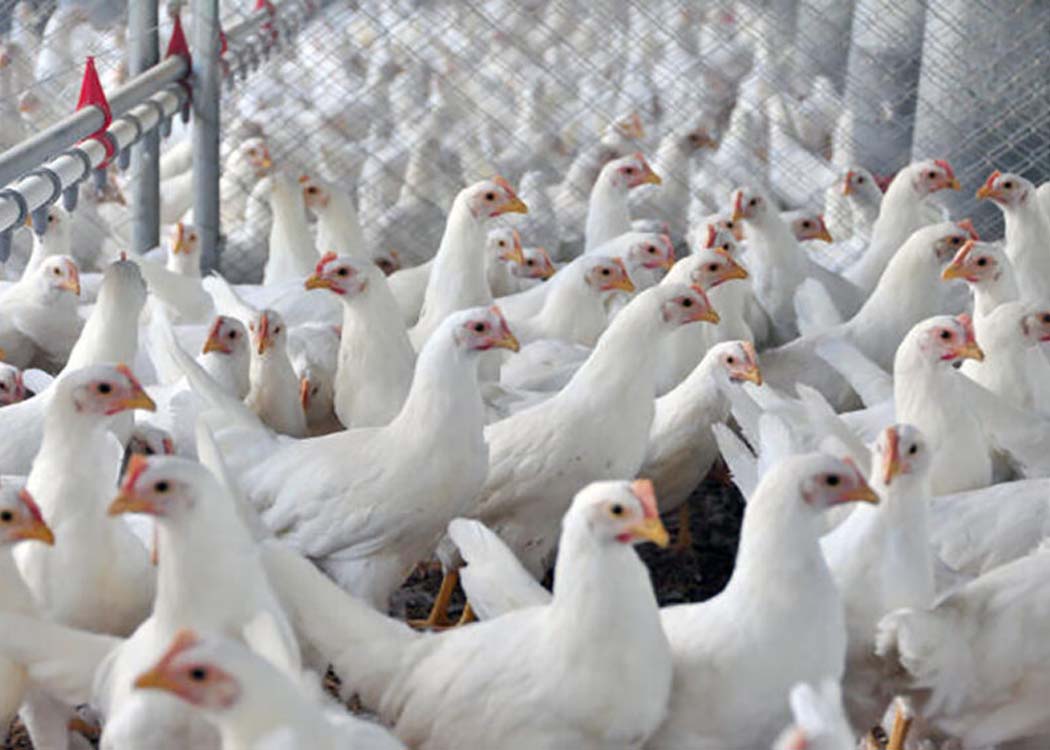
RIYADH, SAUDI ARABIA: In response to recent outbreaks of highly pathogenic avian influenza (HPAI) and Newcastle disease in France and Poland, Saudi Arabia has imposed an immediate ban on the importation of poultry and eggs from these two European countries. The decision, which was announced by the Saudi Food and Drug Authority (SFDA), aims to safeguard the health of the country’s poultry population and mitigate potential risks to human health from the spread of avian viruses.
The ban, which applies to both poultry meat and table eggs, has come at a time when many countries are stepping up efforts to control the spread of avian influenza—a virus known for its ability to rapidly infect poultry and cause significant economic losses in the agriculture sector. Saudi Arabia’s decision follows similar measures taken by other countries in the region, including the UAE and Kuwait, who have also imposed restrictions on poultry imports from affected regions.
Why the ban was necessary
Avian influenza (HPAI) and Newcastle disease are both viral infections that affect poultry populations, leading to high mortality rates in birds and posing a serious threat to the poultry industry. These diseases can also result in the spread of infection across borders through the trade of poultry and eggs. Saudi Arabia, which has a robust poultry industry, has been particularly cautious, given the risks posed by these outbreaks to its domestic poultry farms, which supply much of the country’s poultry consumption.
The Saudi Ministry of Environment, Water, and Agriculture (MEWA) and the SFDA have stated that the ban is part of their ongoing efforts to ensure that the country’s poultry industry remains safe from infectious diseases and that consumers have access to high-quality, disease-free poultry products.
Implications for the poultry market
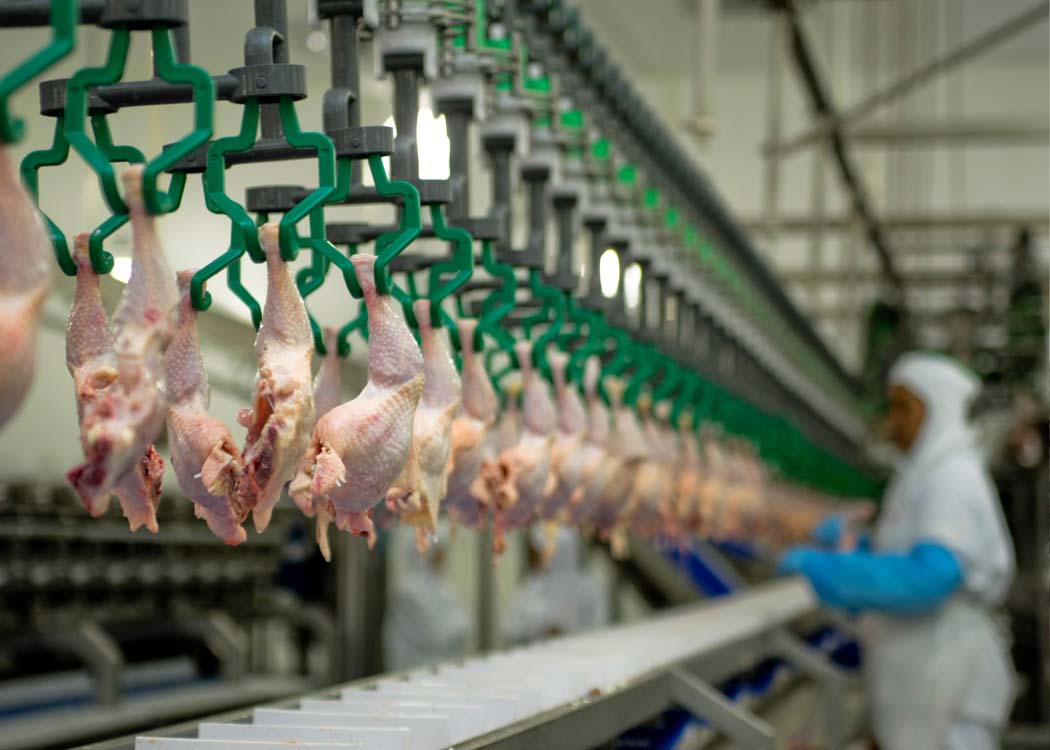
The Saudi poultry market is one of the largest in the Middle East, with the country being a significant importer of poultry and eggs. This ban could have major implications for global poultry trade, particularly in the European Union (EU), which has been a major exporter of poultry products to Saudi Arabia. Poultry producers in France and Poland are now facing disruptions in their exports, and the ban could lead to supply shortages in the Saudi market, depending on the duration of the restriction.
Saudi Arabia is expected to turn to alternative suppliers from other countries with disease-free poultry stocks, including nations in the South American and Asian markets, such as Brazil, Thailand, and India. These suppliers are likely to see an increase in demand for their poultry exports to the Kingdom.
Impact on local poultry farms
Local poultry farmers in Saudi Arabia, meanwhile, are welcoming the ban, as it reduces the risk of disease transmission from international imports, which has been a concern for local producers. The ban provides a measure of protection for domestic poultry farms and ensures that local production remains strong.
Steps to combat avian diseases
Saudi authorities are also ramping up their biosecurity measures to prevent the spread of these diseases within the Kingdom. This includes increasing monitoring and surveillance at poultry farms, implementing strict quarantine measures for incoming poultry products, and ensuring that vaccination programs for domestic poultry remain up to date. These efforts aim to protect the poultry industry from outbreaks and reduce the likelihood of human exposure to dangerous strains of the avian flu virus.
Saudi Arabia is also working closely with international agencies, including the World Health Organization (WHO) and the World Organization for Animal Health (OIE), to coordinate efforts and share data on disease outbreaks. The government has emphasized the importance of global cooperation in controlling animal diseases, particularly those that have the potential to cross borders.
Looking ahead
While this ban may create short-term disruptions in the Saudi poultry market, it serves as a reminder of the constant need for vigilance in the global poultry industry. As countries work together to combat the spread of avian diseases, the need for stronger trade regulations, biosecurity measures, and better monitoring systems will continue to grow. Saudi Arabia’s proactive approach in safeguarding its poultry industry sets an important example for other nations facing similar threats.
As the situation develops, Saudi authorities will continue to monitor the situation closely and make necessary adjustments to their policies to ensure the health and safety of both poultry and consumers in the Kingdom.