

Recovery from disease setbacks and strong global demand push Brazil toward historic poultry milestone
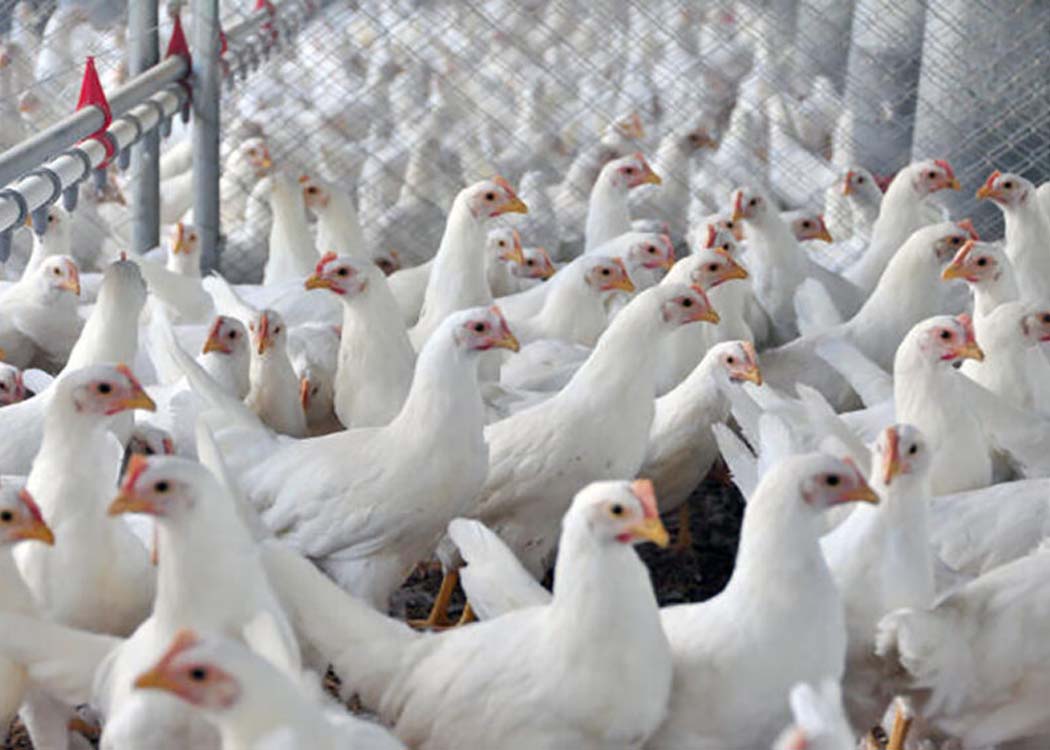
BRASILIA: Brazil is on track to produce a record 15.86 million metric tons of chicken in 2026, positioning the country for one of its strongest years yet in the global poultry market, according to industry projections. The forecast signals a decisive recovery for the world’s largest chicken exporter after recent challenges linked to animal health concerns and supply chain disruptions.
Industry analysts say the expected surge reflects a combination of improved biosecurity, stable feed supplies, and sustained international demand for affordable animal protein. Together, these factors are restoring confidence across Brazil’s poultry sector and strengthening its role as a key supplier to food-importing nations.
A rebound after disease-related disruptions
Brazil’s poultry industry faced pressure in recent years from disease-related setbacks that disrupted production planning and export momentum. In response, producers and regulators intensified surveillance, strengthened farm-level biosecurity, and invested in disease prevention measures.
These efforts are now paying off. Improved flock health and better production efficiency have allowed producers to scale up output while maintaining export standards required by international markets.
Exports remain the main growth engine
Brazil’s poultry growth is being driven largely by exports, with demand rising across the Middle East, Asia, Africa, and parts of Europe. Chicken remains one of the most cost-effective sources of animal protein, particularly as inflation and economic pressures continue to shape consumer choices worldwide.
With global buyers seeking reliable, large-scale suppliers, Brazil’s ability to deliver consistent volumes at competitive prices is expected to further strengthen its market position in 2026.
Feed availability and costs support expansion
Another factor supporting record output is greater stability in feed markets. Brazil’s strong corn and soybean production has helped keep feed supplies predictable, allowing poultry producers to plan expansion with more certainty.
Industry observers note that controlled feed costs are essential for sustaining profitability and ensuring that production growth does not come at the expense of farmer margins.
What this means for global poultry markets
If projections hold, Brazil’s record chicken output could help ease supply pressures in import-dependent countries and play a role in stabilizing global poultry prices. However, analysts caution that maintaining disease-free status and meeting evolving import regulations will remain critical to sustaining growth.
As 2026 approaches, Brazil’s poultry sector is emerging as a case study in recovery, resilience, and strategic scaling—at a time when global food security remains firmly in focus.