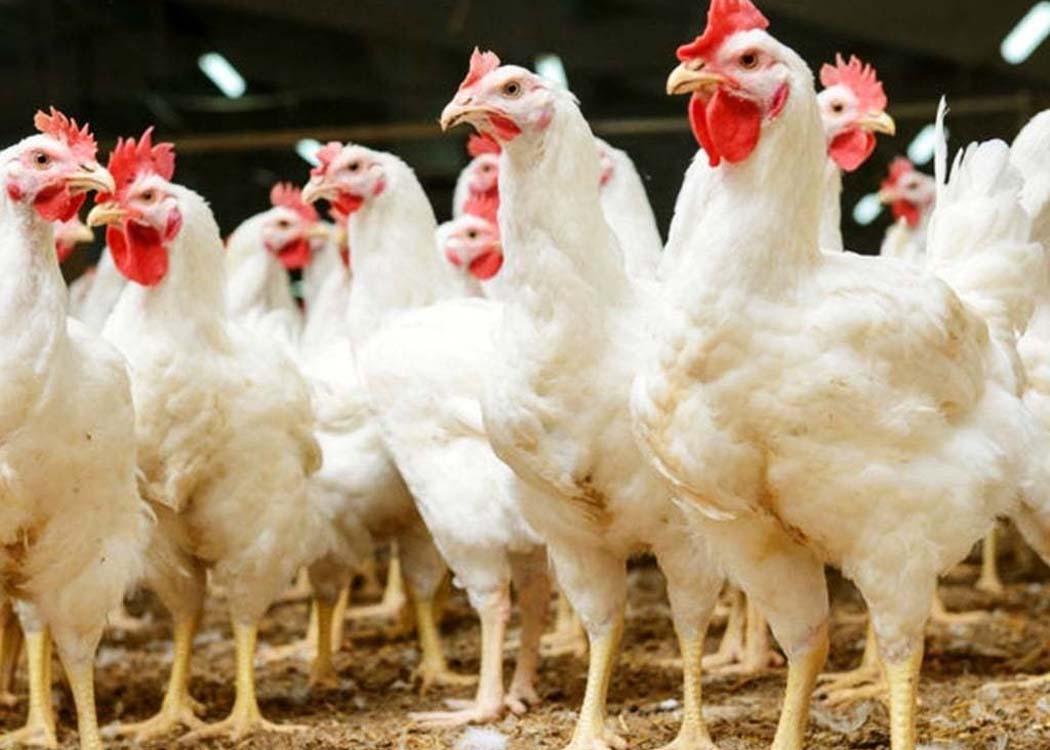


Key discussions at the World Economic Forum focus on evolving agricultural practices to address the future of food supply and sustainability worldwide.
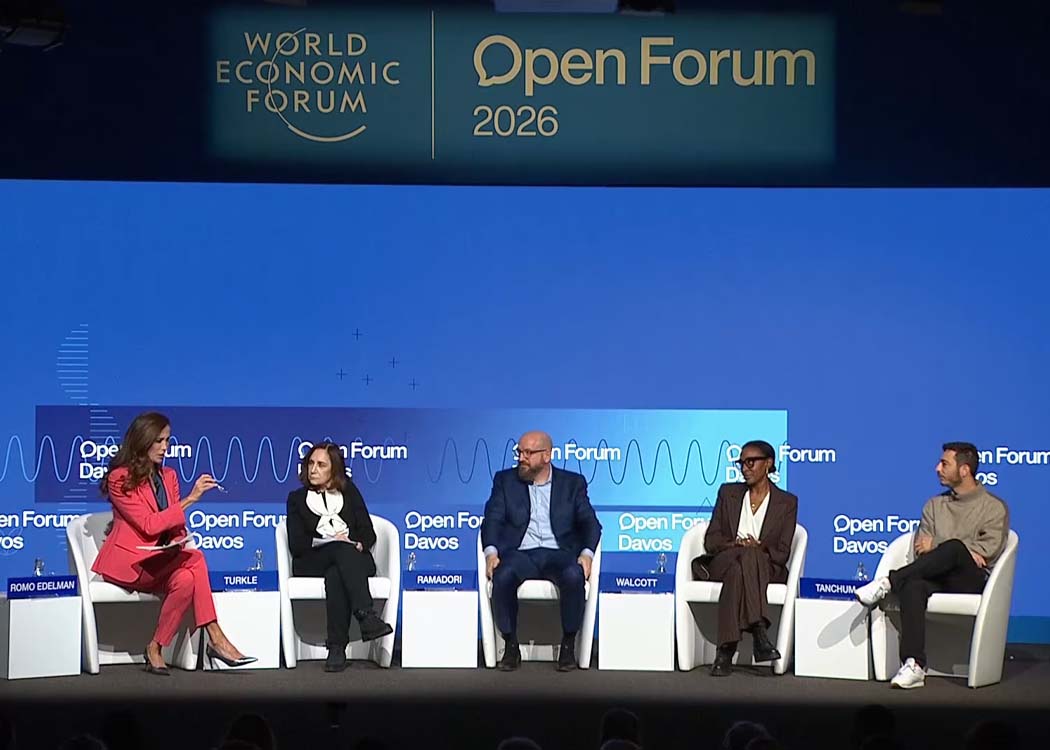
DAVOS: At the World Economic Forum (WEF) 2026, a pivotal session focused on the evolution of agriculture and food systems, drawing attention to the urgent challenges facing global food supply. With over 80% of the world’s population depending on food systems for nutrition and livelihood, the session explored strategies to strengthen agricultural resilience, tackle food insecurity, and prepare for the future of farming.
The “Open Forum: Agricultural Evolution” at WEF Davos 2026 featured global thought leaders, policymakers, and agricultural experts discussing the future of food production, with a special emphasis on sustainability and technological advancements. One of the major takeaways from the event was the overwhelming consensus that agriculture must adapt to new realities, including climate change, resource scarcity, and shifting demographic patterns.
Key highlights from the discussion:
- Sustainable agriculture:
Climate change poses significant risks to agriculture, making it crucial to focus on sustainable farming practices. Experts urged for increased investment in climate-smart agriculture that not only minimizes environmental harm but also increases food production in a more resource-efficient manner. - Technology in farming:
The role of precision agriculture was highlighted as a major area for transformation. Advanced technologies such as drones, AI-driven analytics, and IoT (Internet of Things) applications are providing farmers with real-time data on soil health, crop conditions, and water usage, which are crucial for increasing yields while conserving resources. - Global food supply crisis:
With the rise of global population and urbanization, the demand for food is rising rapidly. Experts pointed out the need for policies and innovations that would allow food systems to keep up with this growing demand. Focus areas included increased crop diversity, sustainable livestock farming, and efficient supply chain management to reduce food waste. - Empowering farmers:
A strong call was made for investing in smallholder farmers, who constitute the backbone of global agriculture. Empowering local communities with the tools, knowledge, and resources needed to thrive in a rapidly changing climate is essential for achieving food security on a global scale. - Innovation and global collaboration:
Global cooperation was emphasized, with discussions on how countries can share technological advances and work together to tackle shared challenges. Collaborating on research and development (R&D) was cited as a path forward for ensuring the future of farming.
The Focus on agro-veterinary practices and food security
The session at WEF 2026 also underscored the importance of agro-veterinary integration in ensuring food security. With a rise in zoonotic diseases and the constant challenge of maintaining animal health for food production, veterinary science plays a critical role in sustainable agricultural practices. Investment in veterinary health and animal husbandry practices that emphasize disease prevention, as well as improving livestock productivity, emerged as key themes for both short- and long-term food security.
Synergy between Technology and Veterinary Services was highlighted as a crucial element in ensuring the safe production of animal-based products, while also meeting environmental sustainability goals. Discussions also revolved around how digital veterinary services, such as AI-based diagnostics and mobile health technologies for livestock, can support farmers worldwide.
Looking forward: Innovation and global collaboration
As the WEF Davos 2026 event concluded, it became evident that the future of agriculture hinges on technological innovation, sustainability, and global collaboration. The session served as a reminder of the pressing need to evolve food systems and ensure that agriculture can meet the future demands of a growing global population while preserving the planet’s resources.
For countries like Pakistan, which face challenges such as climate change, water scarcity, and high dependency on agriculture for employment, these discussions hold significant relevance. There is an opportunity for Pakistan to build upon the international insights shared at WEF 2026 to develop strategies tailored to the unique challenges the country faces in its agricultural and veterinary sectors.
Conclusion
The “Open Forum: Agricultural Evolution” at the World Economic Forum Davos 2026 provided invaluable insights into the future of global food systems. The discussions around sustainable farming, technological advancements, and the importance of empowering smallholder farmers will play a pivotal role in shaping agricultural policies and practices around the world. For Pakistan’s agriculture and veterinary sectors, there is a clear roadmap for integrating innovation, sustainability, and collaboration to ensure food security and strengthen the country’s agricultural future.