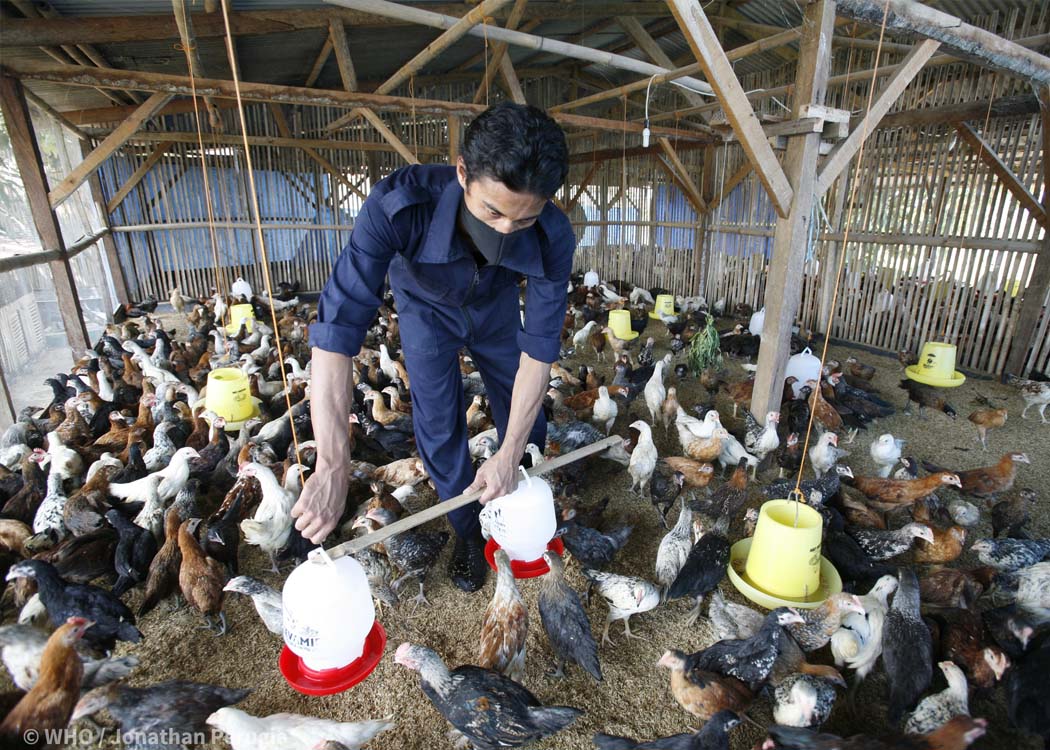


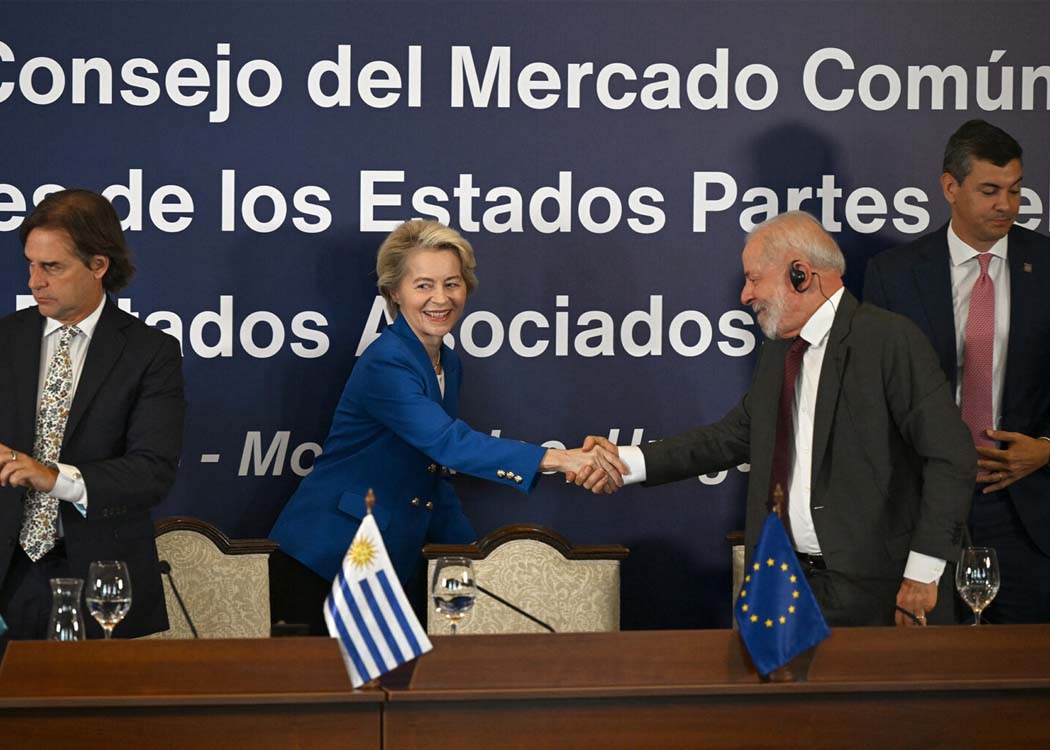
New EU–Mercosur agreement opens fresh export opportunities for Brazilian poultry, signaling potential shifts in global trade and pricing dynamics.
BRUSSELS: A newly concluded EU–Mercosur trade agreement is set to significantly expand Brazil’s access to the European Union poultry market, a development that could reshape global poultry trade flows and intensify competition among major exporters.
Under the agreement, Brazil—already one of the world’s largest poultry producers and exporters—will gain improved market access to the EU through revised tariff structures and export quotas. Industry analysts say this move strengthens Brazil’s position in high-value European markets, where demand for competitively priced poultry remains strong despite tighter regulatory standards.
The deal is expected to have far-reaching implications beyond Brazil and the EU. Increased Brazilian exports could influence global poultry prices, affect trade balances, and create pressure on other exporting countries to remain competitive in quality, pricing, and compliance with animal welfare and food safety standards.
European poultry producers, meanwhile, are closely monitoring the agreement, as greater imports may heighten competition within the bloc. At the same time, EU officials argue that the deal supports broader goals of trade diversification, food supply resilience, and stronger economic ties with South American nations.
For importing countries and food processors, expanded access to Brazilian poultry could help stabilize supply chains amid rising production costs and ongoing volatility in global food markets. However, experts caution that effective implementation, regulatory alignment, and enforcement of sustainability commitments will be critical in determining the agreement’s long-term impact. As global demand for affordable animal protein continues to rise, the EU–Mercosur trade deal marks a pivotal moment for the poultry industry—one that underscores how trade policy decisions can directly influence food security, farmer livelihoods, and international market dynamics.