

Exclusion of sensitive farm products underscores India’s strategy to protect domestic agriculture and rural livelihoods amid global trade negotiations
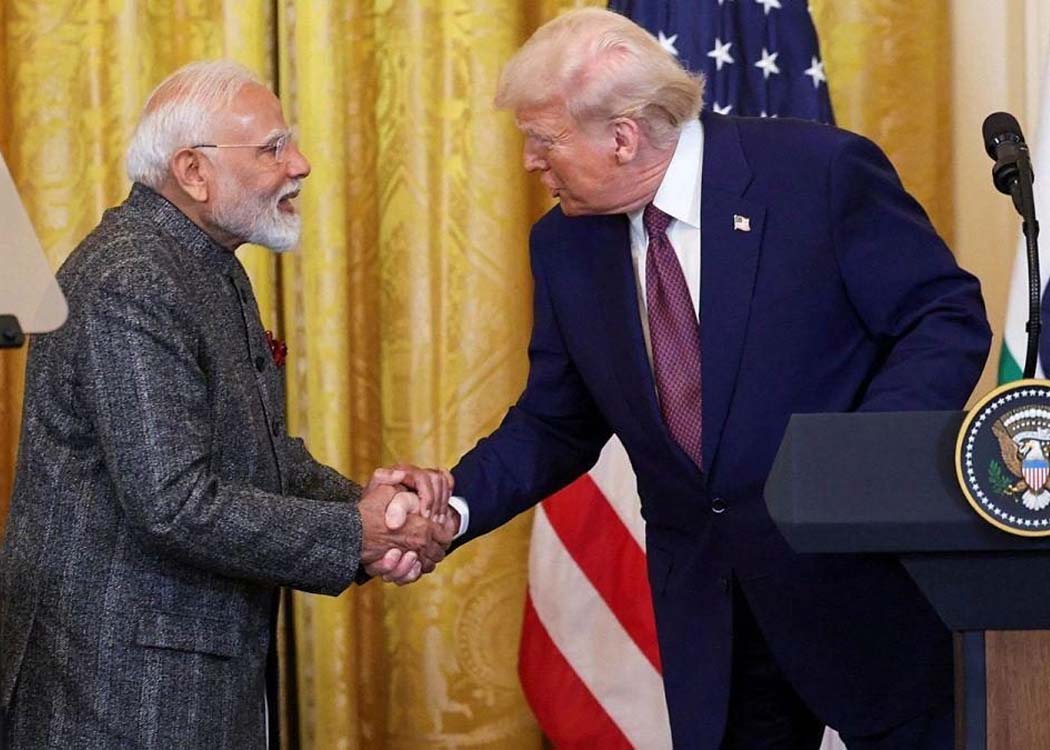
A newly announced interim trade agreement between India and the United States has brought renewed global attention to the strategic importance of agriculture in international trade negotiations, as both countries confirmed that key agricultural commodities will remain excluded from tariff concessions.
Under the agreement, while selected industrial and non-sensitive goods are expected to benefit from reduced duties, critical agricultural products including wheat, rice, poultry, milk, dairy products, and certain meat categories have been deliberately kept outside the scope of tariff liberalisation. The move reflects India’s longstanding policy stance of safeguarding its agricultural sector from external shocks and import-led disruptions.
Agriculture remains a strategic red line
Agriculture continues to be a politically, economically, and socially sensitive sector for India, employing a significant portion of the population and forming the backbone of rural livelihoods. Trade analysts note that opening domestic markets to low-cost agricultural imports, particularly from large exporters such as the United States, could place immense pressure on local farmers and destabilise rural incomes.
By excluding staple crops and animal protein products from the agreement, India has signalled that food security, farmer protection, and price stability remain non-negotiable priorities, even as it seeks deeper engagement with global trading partners.
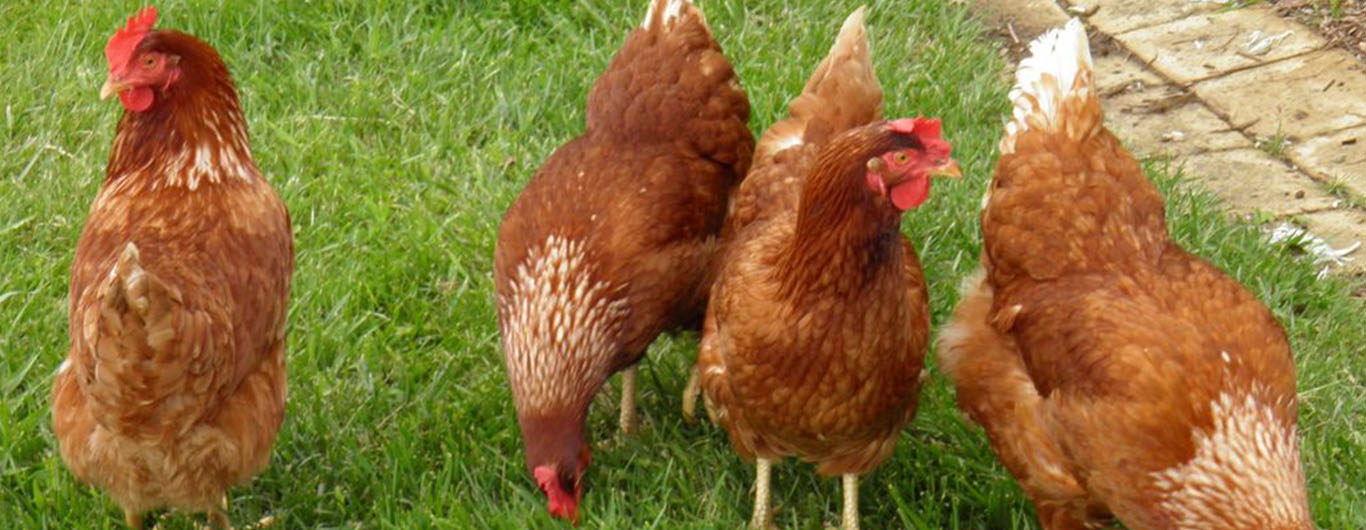
Poultry and dairy sectors protected from import competition
The exclusion of poultry and dairy products is especially notable. Both sectors are highly fragmented, labour-intensive, and politically sensitive in India. The poultry industry supports millions of small and medium producers, while the dairy sector is deeply interwoven with cooperative systems and rural household incomes.
Trade liberalisation in these segments could expose domestic producers to heavily subsidised imports, potentially leading to price suppression and market volatility. By keeping these sectors off the table, policymakers aim to prevent sudden import surges that could undermine domestic production capacity.
Balancing trade openness with food security
While the interim deal demonstrates growing economic engagement between India and the United States, it also highlights the limits of trade openness when it comes to agriculture. Experts describe the agreement as a calibrated approach—one that advances bilateral trade interests without compromising food security or rural employment.
The decision aligns with broader global trends, where many countries are reassessing agricultural trade liberalisation in the face of climate risks, supply chain disruptions, and geopolitical uncertainty.
Implications for global agri-food trade
For global agricultural exporters, the agreement serves as a reminder that market access for food and farm products remains tightly regulated, even in major economies advocating free trade. For developing and emerging markets, India’s position reinforces the idea that protecting domestic agriculture can coexist with selective trade engagement.
As negotiations between India and the United States continue, agriculture is expected to remain a protected sector, with any future liberalisation likely to be gradual, conditional, and politically sensitive. In an era of volatile food prices and increasing focus on national food systems, the exclusion of agriculture from the India–US trade deal underscores a broader global reality: when it comes to farming and food, economic strategy is inseparable from social stability.