

Government-backed study aims to test vaccines against highly pathogenic avian influenza as outbreaks continue to threaten farms and food security.
LONDON: In a significant step toward strengthening disease protection in the poultry sector, the United Kingdom has launched a major vaccine trial against highly pathogenic avian influenza (HPAI)—commonly known as bird flu—marking a potentially transformative moment in the global fight against one of the poultry industry’s most destructive diseases.
The initiative, announced by the UK government this week, seeks to evaluate the effectiveness, safety, and practical deployment of bird flu vaccines in commercial poultry populations. The trial is designed to generate critical scientific evidence that could shape future policies on vaccination as a tool to prevent devastating outbreaks.
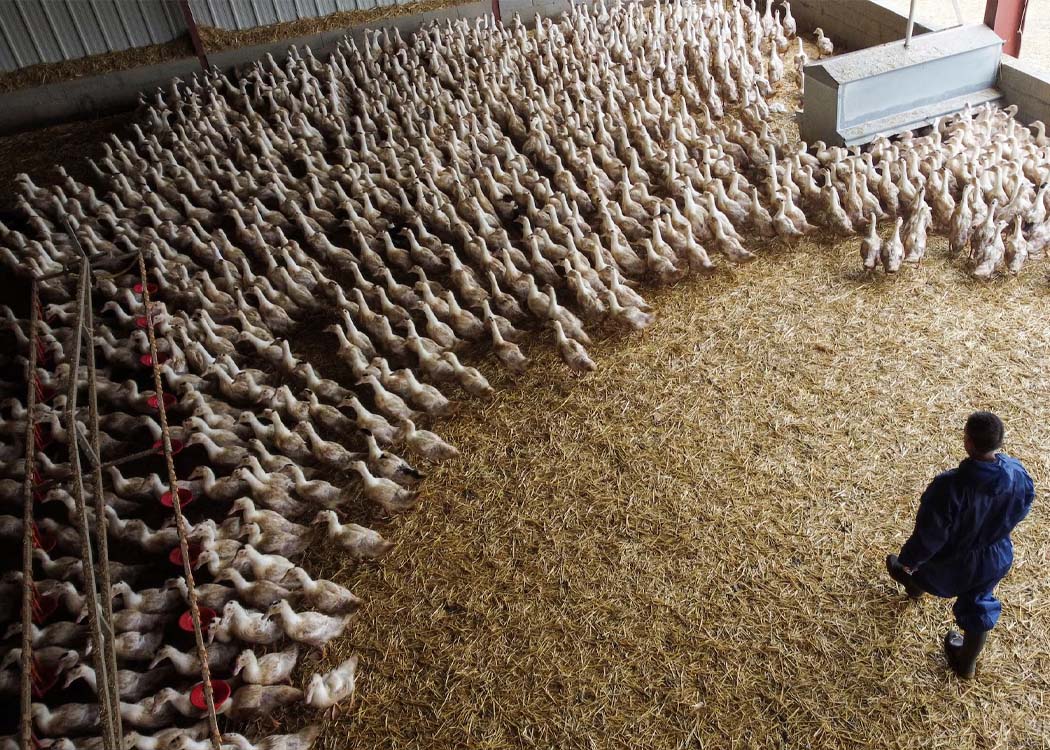
Avian influenza has repeatedly disrupted poultry production across Europe, Asia, and North America in recent years, forcing authorities to cull millions of birds to contain the virus and protect public health. The disease not only causes severe economic losses for farmers but also threatens food supply chains and international poultry trade.
A new strategy in the fight against bird flu
Until now, many countries have relied primarily on strict biosecurity measures, surveillance, and mass culling to control the virus. However, the persistence and rapid spread of highly pathogenic strains—particularly H5N1—have intensified calls for additional protective strategies.
The UK’s vaccine trial aims to determine whether vaccination could serve as a viable long-term tool to reduce infection rates, limit virus circulation, and protect poultry flocks from large-scale outbreaks.
Researchers involved in the trial will assess several critical factors, including:
- The vaccine’s ability to prevent infection and reduce virus transmission
- The immune response generated in vaccinated birds
- Potential impacts on poultry health and productivity
- Practical considerations for large-scale vaccination programs
Officials say the findings will help policymakers determine whether vaccination can be integrated into the country’s broader avian influenza control strategy.
Protecting farms and strengthening biosecurity
The poultry industry remains highly vulnerable to bird flu outbreaks, which can spread rapidly through wild migratory birds and infected farm environments. In recent years, repeated waves of the disease have forced governments across Europe to impose movement restrictions, disease control zones, and emergency culling operations.
By exploring vaccination as an additional safeguard, authorities hope to provide farmers with greater resilience against future outbreaks while maintaining strong biosecurity and surveillance systems.
Implications beyond the UK
Experts say the results of the trial could have global implications, as many countries are closely watching developments in vaccine-based control strategies.
If successful, the study may open the door for broader adoption of poultry vaccination programs in regions struggling with persistent avian influenza outbreaks. Such measures could help stabilize poultry production, reduce economic losses, and strengthen food security worldwide. For the global poultry sector, the UK’s vaccine trial represents a critical scientific step toward a more sustainable approach to controlling bird flu, offering hope that vaccination could eventually complement traditional disease control methods.