

Veterinary authorities intensify surveillance as avian influenza spreads among wild birds, poultry, and isolated livestock cases
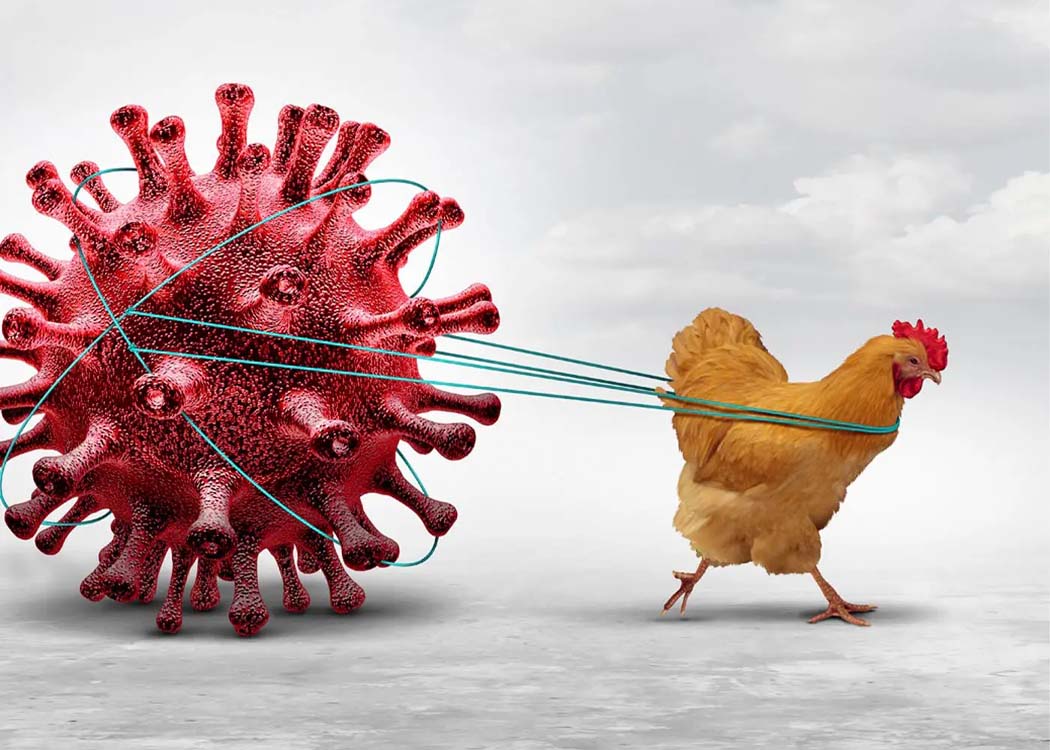
Veterinary and public-health agencies across the world remain on heightened alert as avian influenza (commonly known as bird flu) continues to circulate among wild birds and commercial poultry populations. The virus—particularly strains of highly pathogenic avian influenza (HPAI)—has been responsible for repeated outbreaks affecting poultry farms in multiple regions, prompting stricter monitoring and biosecurity protocols.
Experts say the virus spreads easily among birds, particularly in densely populated poultry operations. Once introduced into a flock, the infection can move rapidly, sometimes causing severe illness and high mortality rates within days. In such situations, veterinary authorities often require the culling of infected and exposed birds to prevent the disease from spreading to other farms.
Recent monitoring efforts have also identified limited cases of avian influenza in dairy cattle, raising additional concerns within the livestock and veterinary sectors. While these cases appear to be isolated, authorities are expanding surveillance programs to track potential cross-species transmission and to protect agricultural supply chains.
Public-health officials emphasize that the risk to the general population remains low. Most human infections reported globally have occurred among individuals who had direct contact with infected birds or livestock. Nevertheless, veterinary agencies and agricultural departments are encouraging farmers, veterinarians, and farm workers to remain vigilant and follow strict farm-biosecurity measures.
These preventive steps include limiting access to poultry facilities, disinfecting equipment and clothing, monitoring flock health closely, and reporting unusual bird deaths immediately. Rapid detection and response remain critical tools for containing outbreaks before they escalate into larger agricultural crises.
The continued presence of bird flu highlights the importance of strong collaboration between veterinary authorities, agricultural ministries, and international health organizations. Ongoing research into vaccines, improved surveillance systems, and advanced disease-monitoring technologies is expected to play a key role in protecting the global poultry industry from future outbreaks. With poultry serving as a major source of protein and income for millions of farmers worldwide, maintaining strong disease-control strategies remains essential for food security, livestock health, and the stability of agricultural markets.