

Gene-edited mealworms could transform poultry vaccination by addressing logistical barriers and reducing flock losses from HPAI
In a groundbreaking advancement for poultry health, researchers at Kansas State University are developing a highly pathogenic avian influenza (HPAI) vaccine delivered through gene-edited mealworms. This innovative method could not only help curb the devastating effects of HPAI but also solve some of the most challenging logistical barriers posed by traditional vaccination techniques.
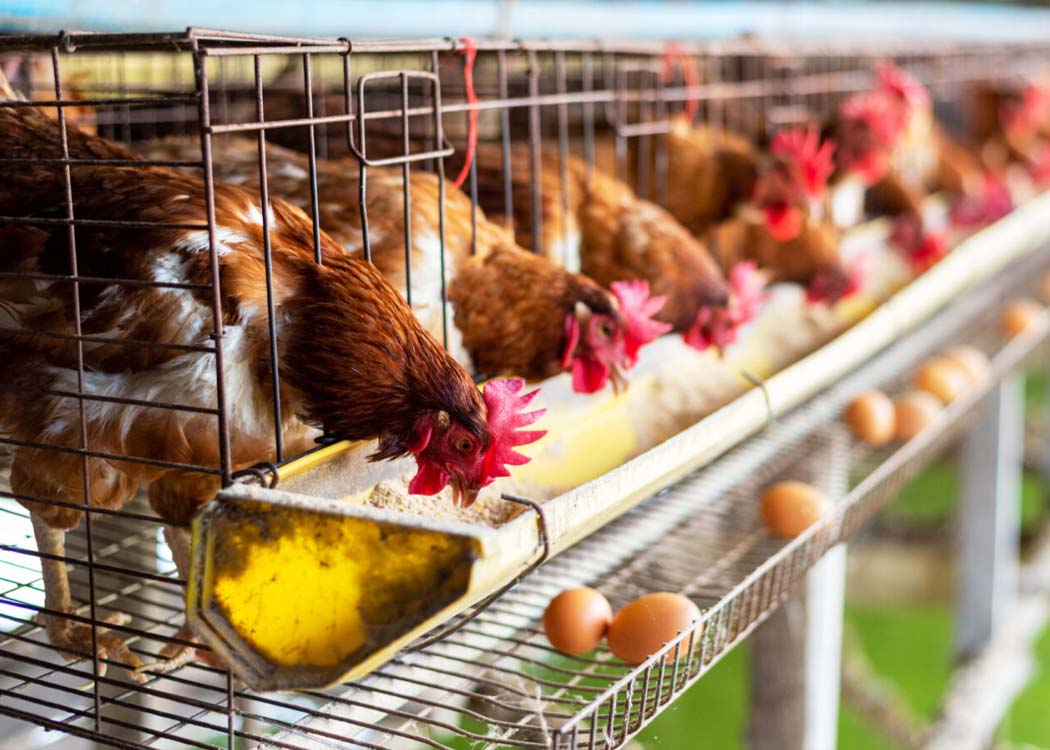
Funded by a Highly Pathogenic Avian Influenza Poultry Innovation Grand Challenge Award, this project is set to target commercial layers, which are currently the most affected segment of the poultry industry. The team plans to conduct initial efficacy studies within the next few years, with potential for expansion to broilers, turkeys, and other poultry species as the research progresses.
“We’re really excited about this and the opportunity to do something highly innovative and something new,” said Dr. Laura Miller, associate professor of veterinary virology, immunology, and genomics at Kansas State University. “It may be high risk, but it has a lot of potential.”
HPAI remains one of the most significant threats to the poultry industry, causing not only high financial losses but also operational disruption. The virus spreads quickly through migratory wild birds and, currently, the only approved control method is depopulation—a costly and difficult process that further impacts poultry production. According to Dr. Miller, “The only choice currently is to depopulate for control, and that’s expensive, it’s not easy.”
The new mealworm-based vaccine aims to break this cycle. This innovative solution involves gene-editing mealworms to produce an HPAI antigen protein directly in their bodies. When chickens consume the mealworms as part of their regular feed, they ingest the antigen, triggering an immune response. The process is designed to be both cost-effective and scalable, leveraging existing insect farms rather than specialized biomanufacturing facilities. This approach could provide a viable solution, particularly in developing countries, where poultry serves as a critical protein source for millions of people.
How the mealworm-based vaccine works
The vaccine platform incorporates a gene-editing mechanism that allows for rapid updates, crucial for an industry constantly battling mutating pathogens. As new strains of HPAI emerge, the antigen insert in the mealworm genome can be swapped within a matter of months.
Additionally, the vaccine utilizes targeting molecules that engage specific immune cells in the chicken’s gut, improving the speed and quality of the immune response. This process, combined with the freeze-drying ability of the mealworms, eliminates the need for cold storage—one of the major logistical challenges facing traditional vaccination methods.
Dr. Miller emphasizes the advantages of this system: “Using the insect as encapsulation for the antigen makes it safer because it’s natural feed. We don’t need any cold chain; it doesn’t need refrigeration. And we know poultry like live mealworms, but we could even do freeze-dried.” This approach could significantly lower vaccine costs and make poultry vaccination more accessible and scalable across the globe.
Benefits over traditional vaccination methods
Unlike traditional injection-based vaccines, which are costly and labor-intensive, the mealworm-based system eliminates the need for individual handling of birds. This means fewer labor costs, reduced stress on animals, and minimized biosecurity risks—as fewer touchpoints reduce the chances of disease introduction. Moreover, since the mealworms can be stored at ambient temperature without refrigeration, the approach eliminates the cold chain dependency, a common logistical barrier to vaccine adoption.
This innovative delivery system is not just a technological breakthrough; it also supports the industry’s need for sustainable and efficient disease prevention strategies. By making HPAI vaccination more accessible and cost-effective, this method could pave the way for global improvements in poultry health, helping to protect millions of birds and significantly reduce the economic burden of avian influenza outbreaks.
A collaborative effort for poultry health
The mealworm-based vaccine project is a result of cross-institutional collaboration, involving experts in entomology, veterinary virology, and influenza research. Researchers from North Carolina State University, St. Jude’s, and the National Animal Disease Center are working alongside the team at Kansas State University to ensure that the technology is both effective and safe for widespread use in the poultry industry. The potential to use mealworm-based vaccines in poultry farming not only addresses a critical need for disease prevention but also opens new possibilities for how gene-editing technology can be used to fight infectious diseases in animals. With the first phase of the research underway, the veterinary community eagerly anticipates further advancements in this exciting field.