

SAU Graduate Dr Waseem Laghari Spotlights Pakistan’s Animal Production, Poultry Growth, and Veterinary Excellence at Regional Youth Conference
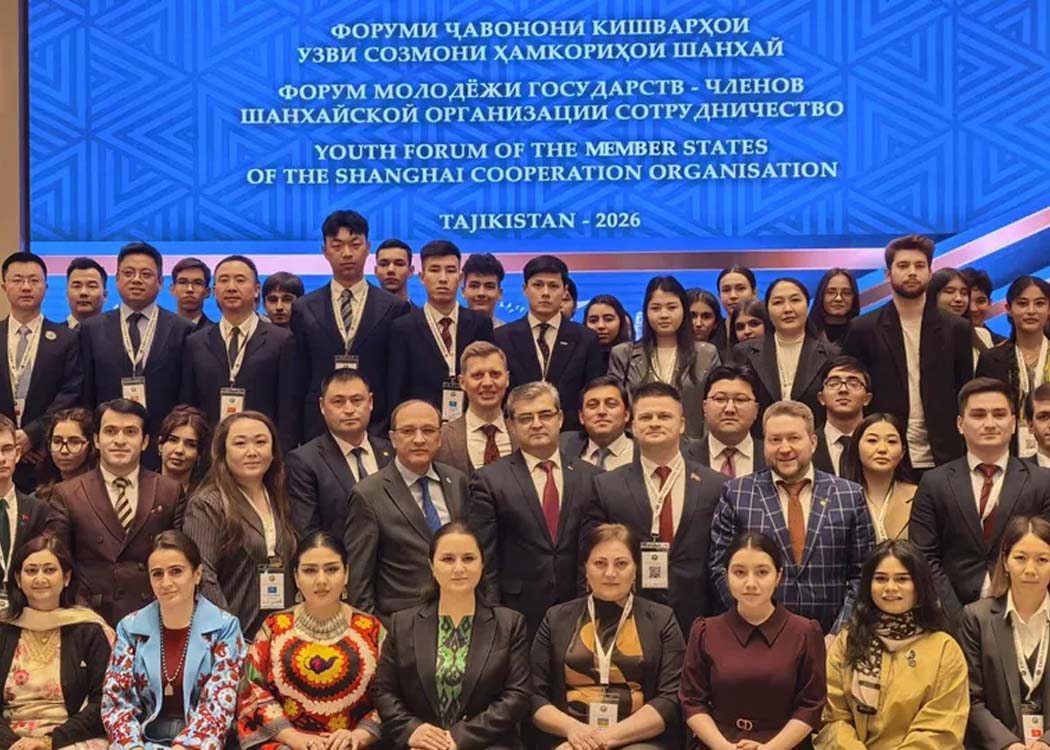
DUSHANBE, TAJIKISTAN: In a powerful showcase of Pakistan’s agricultural strengths, Dr Waseem Laghari, a distinguished alumnus of Sindh Agriculture University (SAU) and Adviser to the Prime Minister on Youth Affairs, represented the country at the Shanghai Cooperation Organisation (SCO) Youth Conference held recently in Dushanbe. Nominated by the Prime Minister’s Office of Pakistan, Dr Laghari delivered a comprehensive presentation underscoring Pakistan’s strides in livestock production, poultry expansion, and animal health systems.
The SCO gathering convened young leaders and emerging professionals from member states to explore themes of innovation, food security, and cross‑border cooperation in agriculture. Dr Laghari’s presentation emphasized how Pakistan’s mixed farming structure — which integrates smallholder livestock producers with organised supply networks — has become an effective model for both rural development and protein production.
During his address, he pointed out that Pakistan’s dairy output consistently ranks among the world’s highest, with annual milk production estimated at 65–70 million tonnes, while per capita annual consumption stands near 170 kilograms. He also highlighted the robustness of the poultry sector, noting an annual production of over 20 billion eggs, positioning Pakistan as a significant player in regional protein markets.
Dr Laghari explained that Pakistan’s competitive advantage lies in its lower production costs. Farm‑level egg prices, ranging between Rs10 and Rs18 per egg, remain more affordable than in several Central Asian nations, despite challenges related to feed costs and climatic conditions. This cost benefit, he said, creates promising opportunities for expanded regional trade in livestock and poultry products among SCO members.
Veterinary professionals, he noted, form a strong backbone of Pakistan’s livestock system — with expertise in supporting both smallholder farms and modern commercial operations. Their skill sets, Dr Laghari suggested, could be instrumental in knowledge exchange and capacity building across the SCO region.
Highlighting the role of academic institutions, Dr Laghari credited Sindh Agriculture University for producing industry‑ready veterinarians and livestock specialists, as well as fostering applied research that supports agricultural innovation.
In his recommendations, he proposed the creation of an SCO Youth Fellowship Programme to connect aspiring agripreneurs and young professionals throughout member states. The envisioned initiative aims to promote knowledge sharing, enable youth‑led startups, and foster collaborative solutions in agriculture and livestock sectors. He also called for enhanced investment in youth‑oriented agricultural research, stronger veterinary health systems, and farmer‑friendly policies to ensure animal welfare and equitable market access. Dr Laghari’s participation at the summit highlighted Pakistan’s growing influence in regional agricultural discourse and reaffirmed the potential of its youth and scientific community to lead future innovations in livestock and animal production.