

New AI and federated learning systems are enabling privacy-safe, real-time detection of poultry diseases from fecal images, offering a breakthrough in early warning systems for global food security and farm biosecurity.
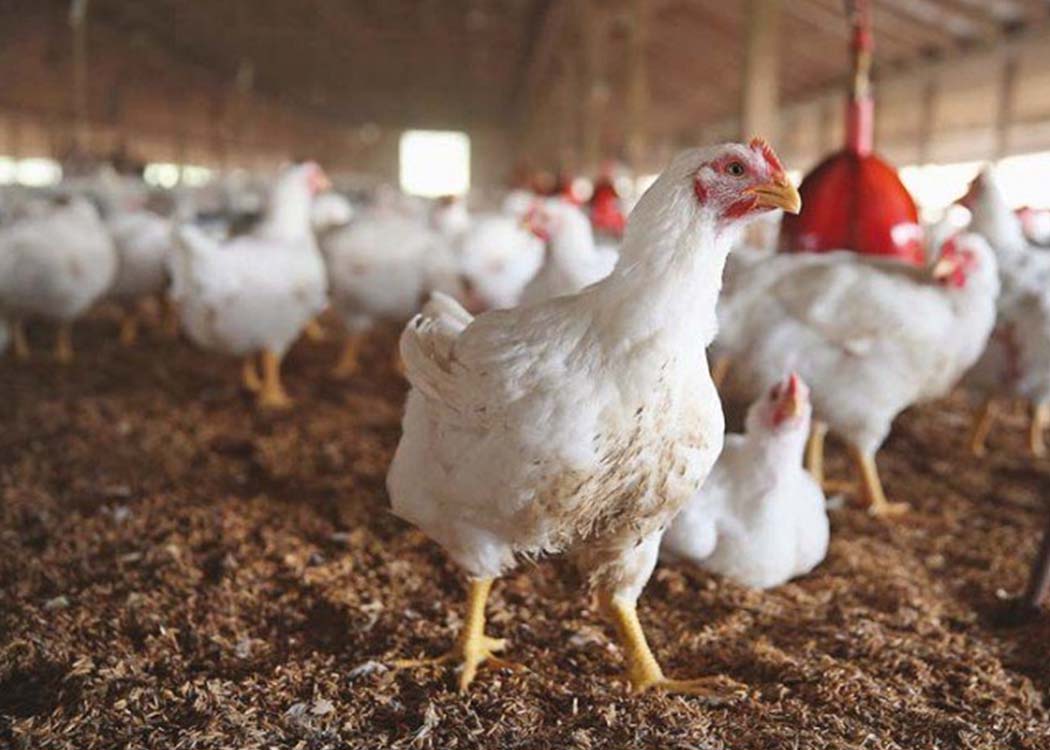
A major shift is underway in global poultry health management as artificial intelligence moves from experimental research into practical disease detection systems capable of identifying infections in chickens at an early stage.
Recent advances in computer vision and machine learning have enabled researchers to develop systems that can analyze poultry fecal images and detect signs of diseases such as coccidiosis, salmonellosis, Newcastle disease, and highly pathogenic avian influenza (HPAI) with high accuracy. These innovations aim to address one of the most persistent challenges in poultry farming—delayed diagnosis and large-scale outbreak prevention.
One of the most significant recent developments is a new generation of privacy-preserving AI systems based on federated learning, where farm data remains locally stored while only model updates are shared with central systems. This approach helps overcome long-standing barriers related to data sharing between farms, veterinary institutions, and research centers.
A leading example is the newly introduced framework known as FecalFed, which applies federated learning to poultry disease classification using fecal image datasets collected from multiple farm environments. The system was designed to operate under real-world conditions where data is highly non-uniform across farms and cannot be centrally pooled due to biosecurity and privacy concerns.
According to recent research published in April 2026, FecalFed demonstrates that while isolated farm-level models struggle with inconsistent data quality, federated training significantly improves performance without requiring raw data centralization. In controlled evaluations, advanced architectures such as Swin Transformer–based models achieved accuracy levels exceeding 90%, with edge-optimized versions maintaining strong performance even under resource constraints.
Experts say the importance of such systems lies not only in accuracy but in scalability. Poultry farms often operate in low-connectivity environments and cannot easily share sensitive biosecurity data. Federated learning allows AI systems to learn collectively across farms while keeping data secure on-site, making large-scale disease intelligence networks more feasible than ever before.
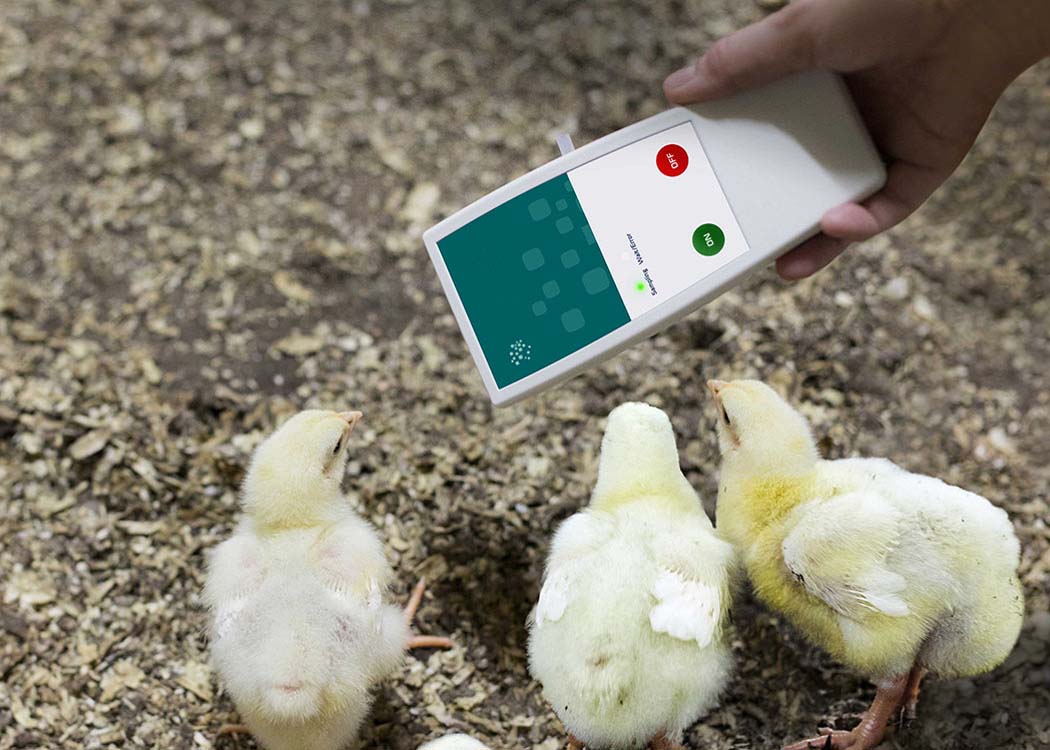
Beyond image-based detection, researchers are also expanding AI use into multi-modal poultry monitoring, including sound-based disease detection, behavior tracking, and IoT-enabled smart farm sensors. Combined, these technologies are forming the foundation of what many experts describe as “intelligent poultry farming systems” capable of providing early warnings before outbreaks escalate.
Veterinary scientists believe these innovations could be particularly critical in controlling future avian influenza outbreaks, reducing economic losses, and improving food security in poultry-dependent economies.
However, researchers also emphasize that these systems are still evolving. Challenges remain in dataset standardization, farm-level implementation, and integration with veterinary decision-making frameworks. Despite this, the momentum toward AI-driven poultry health monitoring is accelerating rapidly across both academic and industry sectors. As poultry production continues to expand globally, AI-based early detection tools are increasingly being viewed not as optional upgrades but as essential components of modern veterinary infrastructure.