

FAO–WMO report flags rising crop failures, animal deaths, and worker risks as climate extremes threaten food security and over a billion livelihoods worldwide
GENEVA: A new global warning from the United Nations has placed agriculture, livestock, poultry, and fisheries at the center of a rapidly escalating climate crisis, as extreme heat emerges as one of the most serious threats to global food systems and rural livelihoods.
In a joint report released by the Food and Agriculture Organization (FAO) and the World Meteorological Organization (WMO), experts caution that rising temperatures, intensifying heatwaves, and prolonged climate extremes are already disrupting food production across continents—pushing vulnerable systems “to the brink.”
The findings come amid growing concern that more than one billion people who depend directly on agriculture and related sectors could face severe economic and food security consequences if urgent adaptation measures are not implemented.
A system under stress: from crops to cattle
The report synthesizes data from across agricultural sectors—including crops, livestock, fisheries, aquaculture, and forestry—revealing a deeply interconnected crisis.
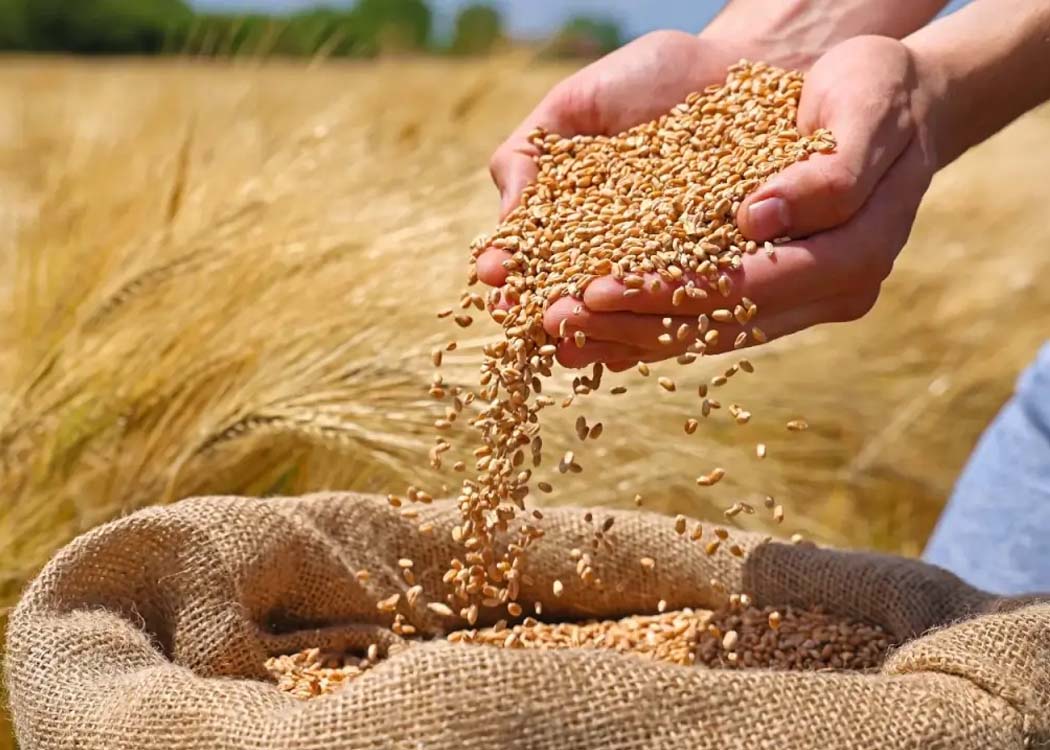
Extreme heat is now directly linked to declining crop yields, widespread animal stress, and rising mortality rates. Most staple crops begin to lose productivity when temperatures exceed 30°C, with documented yield declines of around 10% in maize and similar reductions in wheat production in some regions.
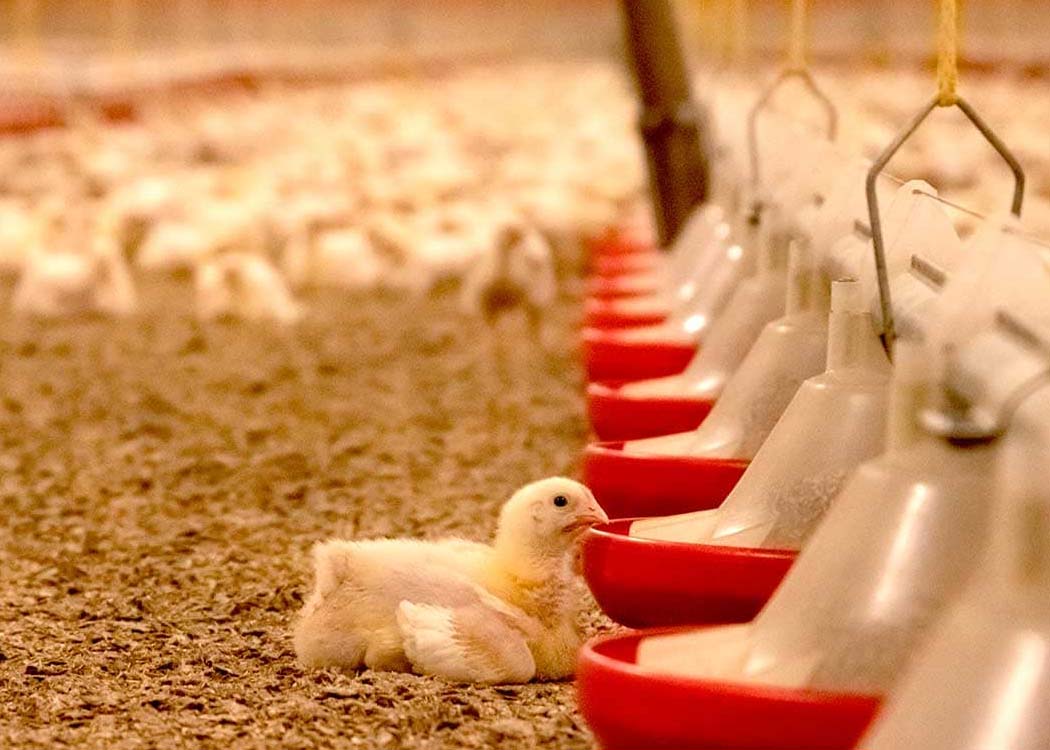
For livestock, the situation is equally alarming. Heat stress in animals begins at relatively moderate temperatures—around 25°C—leading to reduced milk production, lower nutritional quality, and increased mortality. Poultry and pigs, which lack efficient cooling mechanisms like sweating, are particularly vulnerable, facing risks ranging from organ failure to cardiovascular collapse during extreme heat events.
These developments are placing immense pressure on veterinary systems, which are now increasingly tasked with managing climate-induced animal health crises alongside traditional disease burdens.
Fisheries and oceans: an overlooked casualty
Beyond land-based systems, the report highlights the growing impact of ocean heatwaves on fisheries and aquaculture.
Rising water temperatures reduce dissolved oxygen levels, triggering mass fish die-offs and disrupting aquatic ecosystems. This threatens not only food supplies but also the livelihoods of millions dependent on fishing industries, particularly in coastal and developing regions.
Human cost: farmers pushed beyond limits
One of the most immediate and visible consequences of extreme heat is its impact on agricultural workers.
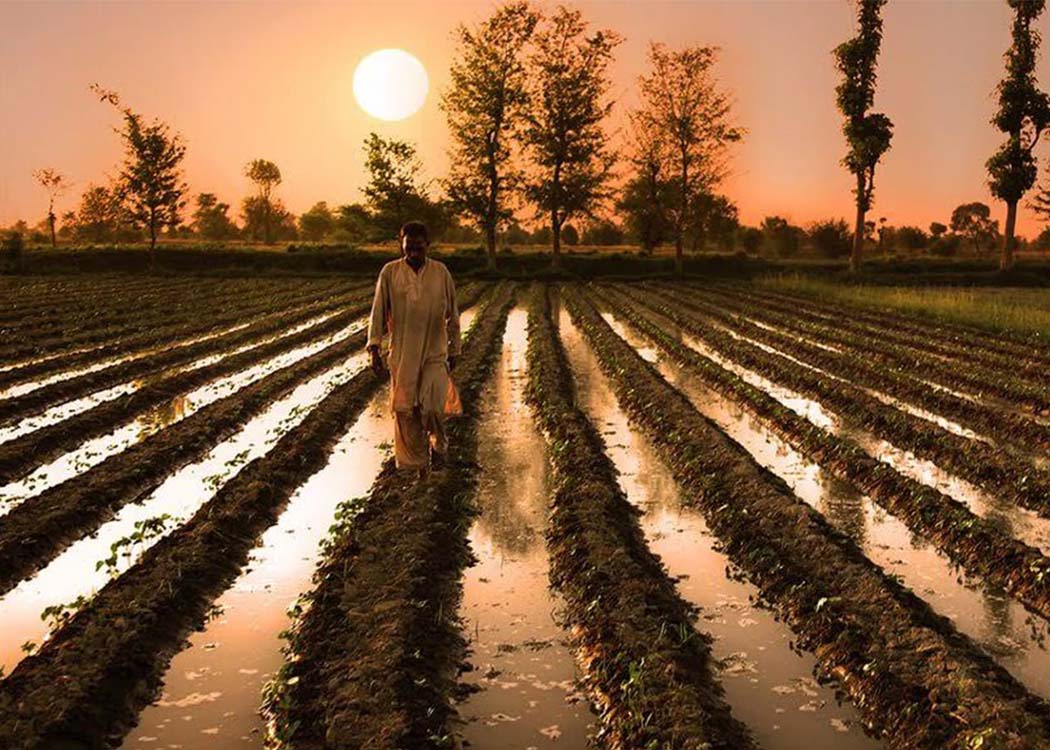
In already hot regions—including South Asia, sub-Saharan Africa, and parts of Central and South America—farmers may soon be unable to work safely outdoors for up to 250 days a year. This represents more than two-thirds of the calendar year, raising serious concerns about income loss, food production, and occupational health.
Experts warn that without protective policies—such as regulated work hours, access to shade, hydration, and rest—heat exposure could become a major public health crisis within agricultural communities.
A fragile food system under pressure
The report also underscores structural vulnerabilities within modern food systems.
Highly specialized, industrialized agricultural models—often dependent on a narrow range of crops and intensive inputs—are particularly exposed to climate shocks. The lack of biodiversity, tree cover, and integrated farming practices reduces resilience, making entire supply chains susceptible to simultaneous failures.
This raises the risk of cascading effects: rising food prices, disrupted supply chains, and broader economic instability.
A warning—and a roadmap for action
While the outlook is concerning, experts emphasize that solutions exist—but require urgent and coordinated action.
Key recommendations include:
- Expanding early warning systems using weather forecasting and mobile technologies to alert farmers of incoming heatwaves
- Investing in climate-resilient agricultural practices, including crop diversification and sustainable land use
- Strengthening veterinary and livestock management systems to address heat-related health risks
- Improving working conditions and legal protections for agricultural laborers
- Scaling up global efforts to reduce greenhouse gas emissions and transition to renewable energy
Climate experts also stress that adaptation alone will not be sufficient in the long term. Without addressing the root causes of climate change, including fossil fuel dependence and high-emission agricultural practices, the cycle of environmental and food system stress will continue to intensify.
The bigger picture: a global food security challenge
The implications of extreme heat extend far beyond farms and rural communities.
As climate pressures reshape agricultural productivity, even temperate and developed regions are expected to face disruptions in food supply, changing crop patterns, and increased dependence on unstable global markets.
The message from the UN report is clear: extreme heat is no longer a future threat—it is a present and accelerating crisis. And unless global food systems evolve rapidly to meet this challenge, the consequences will be felt not just in fields and farms, but on every table around the world.