

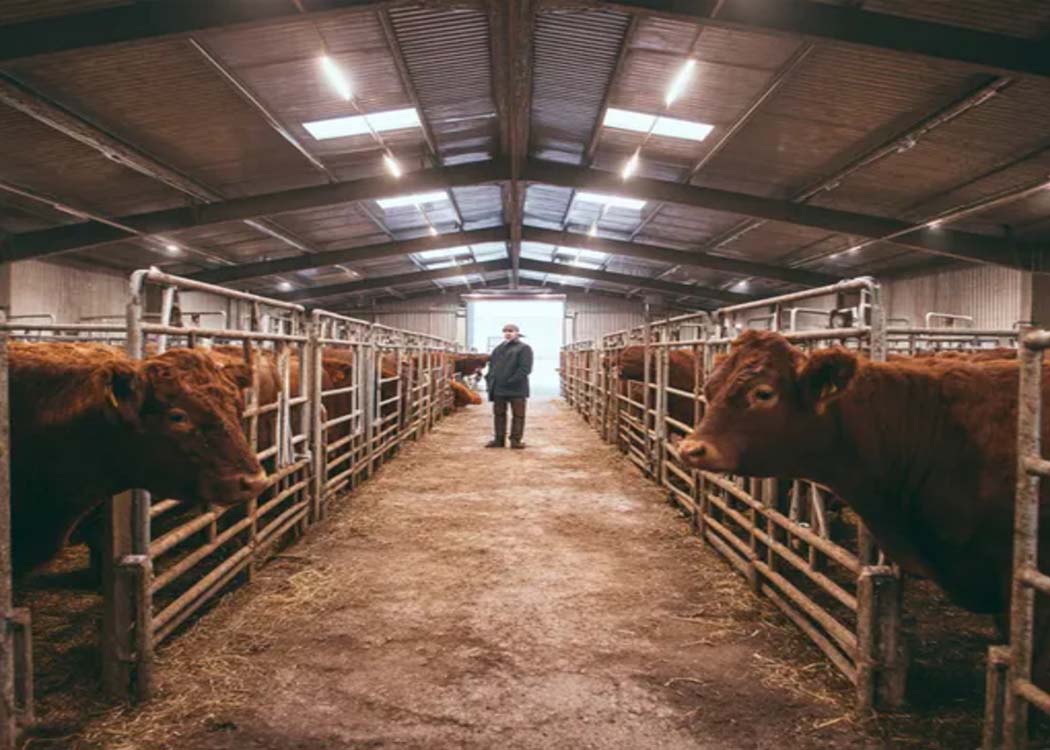
Chief Minister Maryam Nawaz Sharif leads sweeping livestock modernization plan with MoUs, Chinese meat partnership, subsidies, and veterinary expansion
LAHORE: Punjab has unveiled one of its most ambitious livestock sector transformation plans to date, setting a target to export one million livestock animals under a large-scale reform agenda aimed at boosting meat exports, rural incomes, and sector modernization.
The initiative, led by Chief Minister Maryam Nawaz Sharif, includes the signing of Memorandums of Understanding (MoUs) with seven companies, including a major Chinese meat processing firm, marking a significant step toward expanding Pakistan’s global meat export footprint.
Major export push with international partnership
Under the agreement, the Chinese company in collaboration with Punjab Agriculture and Meat Company (PAMCO) will establish a dedicated boiler and meat processing unit in Punjab. The facility will support large-scale production of boiled meat for international markets, strengthening export readiness and value-added processing capacity.
Officials have indicated that meat companies will procure products from approximately 300,000 animals, forming the initial supply chain backbone of the export program.
Mass livestock fattening and export targets
As part of the structured export plan, Punjab has outlined clear production targets, including:
- 300,000 buffaloes and cattle for fattening
- 300,000 sheep and rams for export supply
- 100,000 goats and sheep for dedicated export preparation
This coordinated production model aims to ensure consistent supply for international markets while improving livestock quality standards domestically.
Veterinary overhaul and rural animal health network
In a major infrastructure push, the provincial government has ordered:
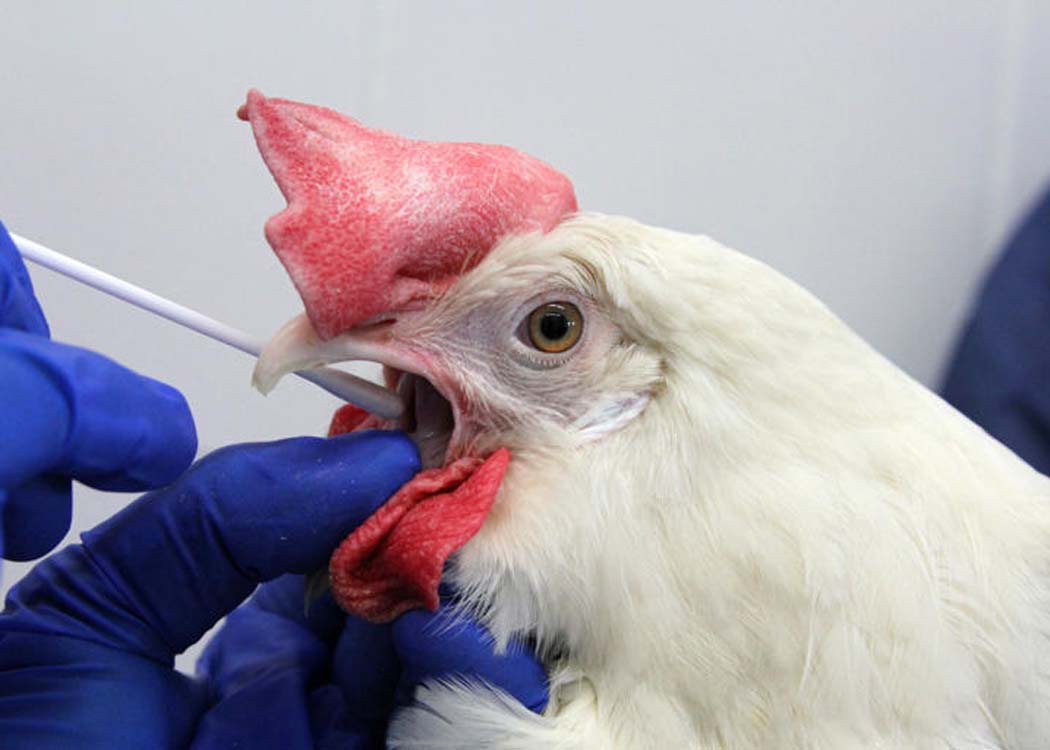
- Establishment of state-of-the-art veterinary hospitals in every tehsil
- Deployment of four mobile veterinary dispensaries per tehsil
These measures are designed to bring animal healthcare directly to village level, improving productivity and reducing livestock disease risks.
Modernization through mechanization and subsidies
Punjab will introduce mechanized livestock farming for the first time, offering up to 60% subsidy on machinery, including:
- Milk chillers
- Feed mixers
- Weighing scales
- Milk cooling systems
- Mixing machines
This shift is expected to improve efficiency, reduce post-harvest losses, and modernize traditional livestock practices.
Digitization, breeding, and disease control
To further strengthen the sector, the government plans to:
- Tag 2 million animals for traceability
- Distribute 2 million subsidized semen doses for improved breeding
- Expand livestock support programs, especially for rural women
Officials also confirmed that Punjab has reported no cases of Lumpy Skin Disease or Haemorrhagic Septicaemia since 2022, highlighting improved disease control measures.
Economic and rural impact focus
The initiative also includes expanded livestock distribution programs in South Punjab, where over 9,000 animals have already been provided to widowed and divorced women under welfare schemes. Officials say the reforms aim to position livestock as a core pillar of rural economic growth and export-led development.