

Move underscores rising global biosecurity concerns in poultry trade and disease containment
China has imposed a ban on poultry imports from Chile following the detection of avian influenza, in a move that highlights the growing vulnerability of global poultry supply chains to disease outbreaks and biosecurity threats.
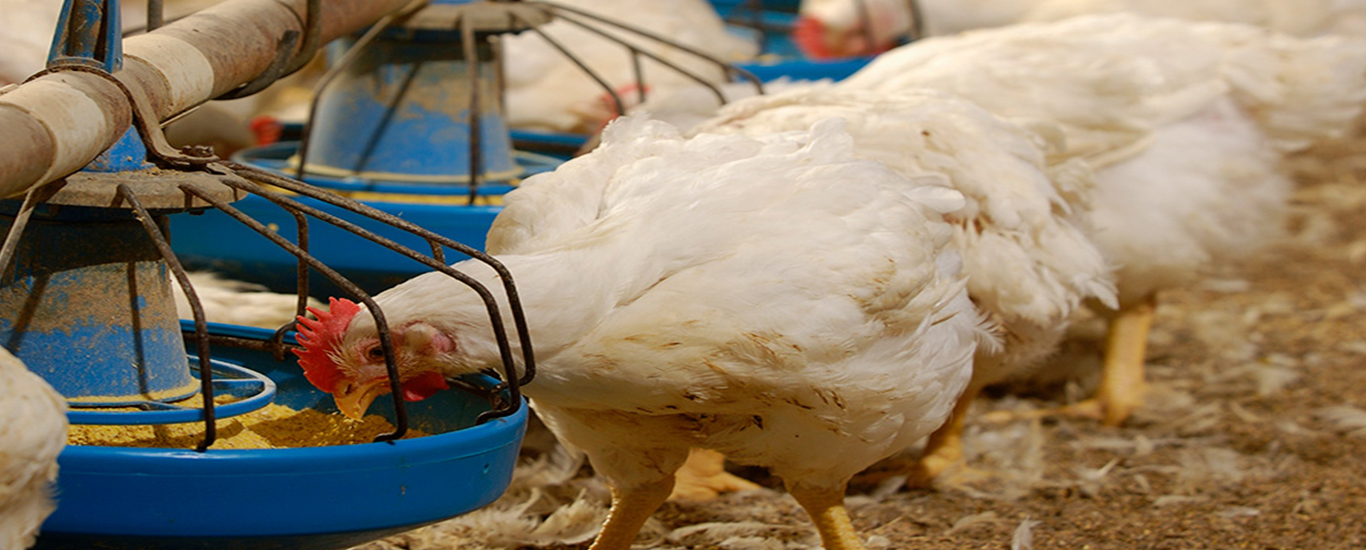
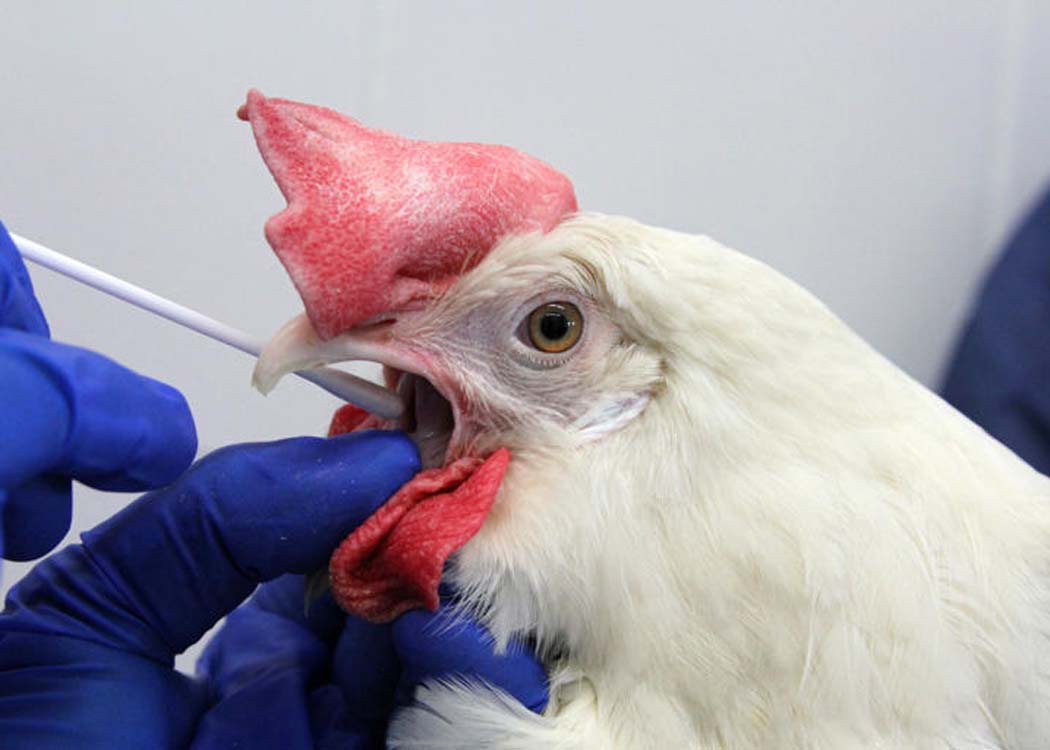
The restriction is imposed as authorities act swiftly to prevent the entry and spread of bird flu within domestic borders. Avian influenza, commonly known as bird flu, is a highly contagious viral disease that can spread rapidly among poultry populations, causing significant economic losses and disrupting international trade.
Chile, a key poultry exporter in the global market, has been grappling with outbreaks that have raised alarms among importing nations. China’s decision to suspend imports reflects a precautionary approach widely adopted by countries to safeguard their domestic poultry industries and maintain food security.
The ban is expected to have immediate implications for bilateral trade, affecting Chilean exporters while reinforcing China’s strict sanitary and phytosanitary measures. It also signals heightened vigilance among major economies as they navigate recurring outbreaks of avian influenza across different regions.
Experts note that such disruptions are becoming increasingly common, driven by factors including migratory bird patterns, climate variability, and intensifying global trade networks. These conditions create pathways for faster transmission of infectious diseases, putting pressure on veterinary systems and regulatory frameworks worldwide.
The development further emphasizes the critical role of robust biosecurity measures, surveillance systems, and rapid response strategies in containing outbreaks. For poultry-producing nations, maintaining disease-free status is essential not only for protecting livestock health but also for sustaining export markets.
Globally, the poultry sector continues to face periodic shocks from avian influenza outbreaks, prompting governments to enforce import restrictions, culling measures, and movement controls to limit spread. While these actions are necessary from a public health and agricultural standpoint, they often carry significant economic consequences for producers and exporters. China’s latest move serves as a reminder of the fragile balance between global trade and animal health, and the urgent need for coordinated international efforts to strengthen disease monitoring, reporting, and prevention mechanisms in the livestock and poultry sectors.