

Major international trade fair to spotlight poultry, dairy, irrigation, and veterinary innovation as Africa’s fast-growing agri-market attracts global investors
KAMPALA: As global food systems face mounting pressure from climate change, population growth, and supply chain disruptions, Africa is rapidly positioning itself as the next frontier for agricultural transformation—and Agro & Poultry Africa 2026 is set to become a defining platform in that shift.
Scheduled to take place in Uganda, the international trade exhibition will bring together stakeholders from across the agricultural spectrum, including poultry producers, livestock experts, veterinary professionals, irrigation specialists, and agribusiness investors. The event is expected to showcase cutting-edge technologies and solutions aimed at boosting productivity, sustainability, and profitability in one of the world’s most promising agricultural regions.
A strategic platform for a rapidly evolving sector
Africa’s agriculture sector is undergoing a significant transition, driven by increasing demand for food, rising urbanization, and a growing middle class. Uganda, in particular, has emerged as a strategic hub due to its fertile land, favorable climate, and expanding agribusiness ecosystem.
The Agro & Poultry Africa 2026 exhibition is designed to capitalize on this momentum by creating a direct interface between global technology providers and local industry players. From poultry farming equipment and feed technologies to veterinary pharmaceuticals and irrigation systems, the event will offer a comprehensive view of the sector’s future direction.
Poultry and livestock take center stage
With poultry and livestock sectors playing a critical role in food security and income generation across Africa, the exhibition places strong emphasis on innovations that can enhance efficiency and disease management.
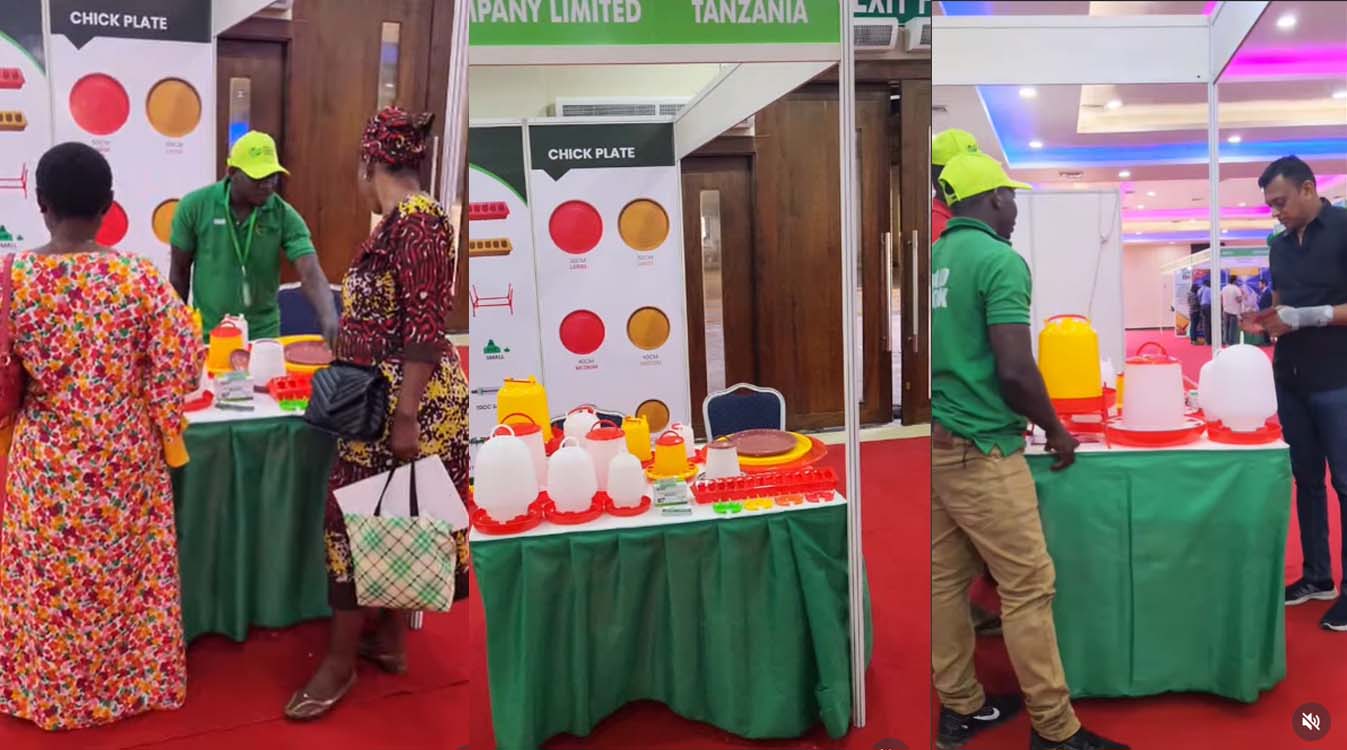
Participants will gain exposure to advanced poultry housing systems, automated feeding solutions, and modern breeding technologies. At the same time, veterinary innovations—ranging from vaccines to diagnostic tools—are expected to draw significant attention as countries work to strengthen animal health systems and prevent disease outbreaks.
The integration of these technologies is increasingly seen as essential for scaling production and meeting the continent’s rising demand for protein-rich food sources.
Irrigation and sustainability in focus
Water management remains one of the most pressing challenges for agriculture in Africa. Recognizing this, Agro & Poultry Africa 2026 will highlight modern irrigation technologies aimed at improving water efficiency and resilience against climate variability.
Drip irrigation systems, solar-powered water solutions, and smart farming tools are expected to feature prominently, offering farmers practical pathways to increase yields while conserving resources.
This focus aligns with broader global efforts to promote climate-smart agriculture—an approach that balances productivity with environmental sustainability.
Unlocking investment opportunities
Beyond technology and innovation, the exhibition is positioned as a major investment gateway. With Africa’s agricultural market projected to grow significantly in the coming years, international investors are increasingly looking to tap into opportunities across the value chain—from production and processing to logistics and export.
Events like Agro & Poultry Africa 2026 provide a critical platform for networking, partnerships, and deal-making, connecting local entrepreneurs with global capital and expertise.
Industry analysts note that such exhibitions play a vital role in accelerating knowledge transfer, enabling emerging markets to adopt best practices and modern technologies at scale.
A global response to a shared challenge
At its core, Agro & Poultry Africa 2026 reflects a broader global realization: ensuring food security in the decades ahead will require collaboration, innovation, and investment—particularly in regions with untapped agricultural potential.
By bringing together diverse stakeholders under one roof, the exhibition aims to catalyze that collaboration and drive meaningful progress in agriculture, livestock, and food systems. As the world looks toward sustainable solutions to feed a growing population, Africa’s role is becoming increasingly central—and events like this are helping shape that future.