

Rising appetite for high-protein diets, shrinking cattle herds, and tight supply chains push beef prices to record levels across the United States
NEW YORK: Beef prices in the United States are climbing to record levels as a powerful combination of surging protein demand and tightening cattle supplies reshapes the country’s meat market, putting pressure on consumers ahead of the peak grilling season.
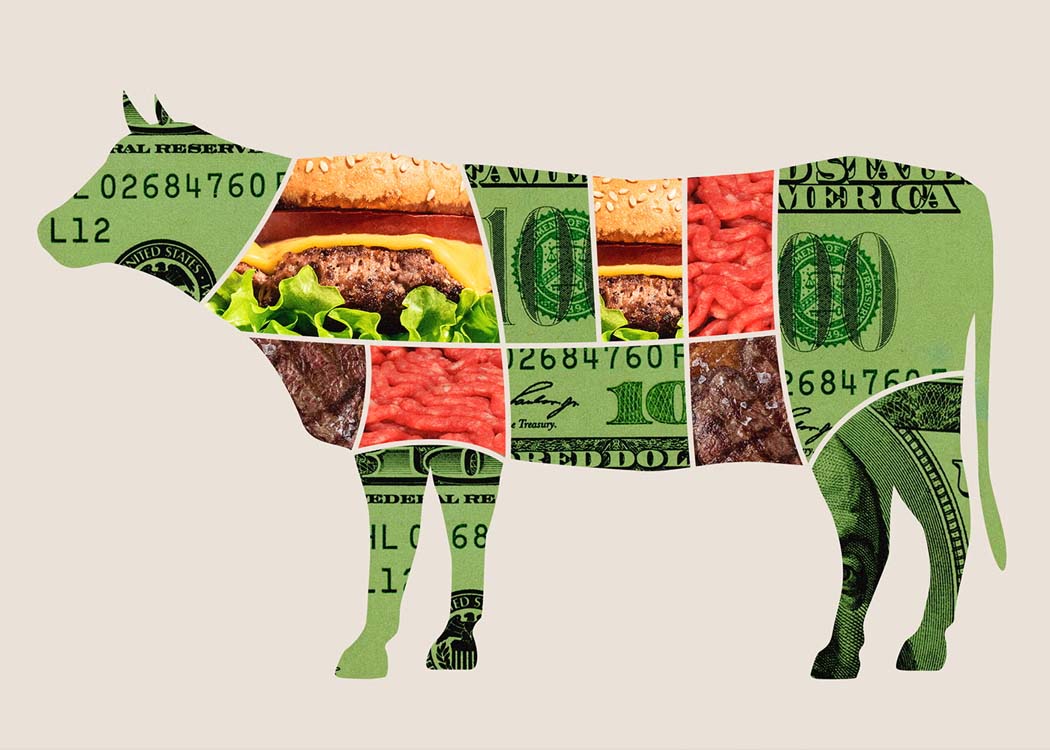
Ground beef recently reached an average price of $6.90 per pound, according to the U.S. Bureau of Labor Statistics, marking one of the highest levels ever recorded. Overall beef and veal prices have risen nearly 15% year-on-year, significantly outpacing broader inflation trends and intensifying concerns over food affordability.
The price surge comes at a time when red meat is experiencing a cultural and dietary resurgence. High-protein eating patterns — promoted by fitness communities, wellness influencers, and shifting public health narratives — have boosted demand for beef products ranging from steaks and burgers to processed meat alternatives.
The trend has also been amplified by renewed attention from policymakers. U.S. Health and Human Services Secretary Robert F. Kennedy Jr. has recently emphasized beef as part of revised dietary guidance discussions, further elevating its visibility in national nutrition debates.
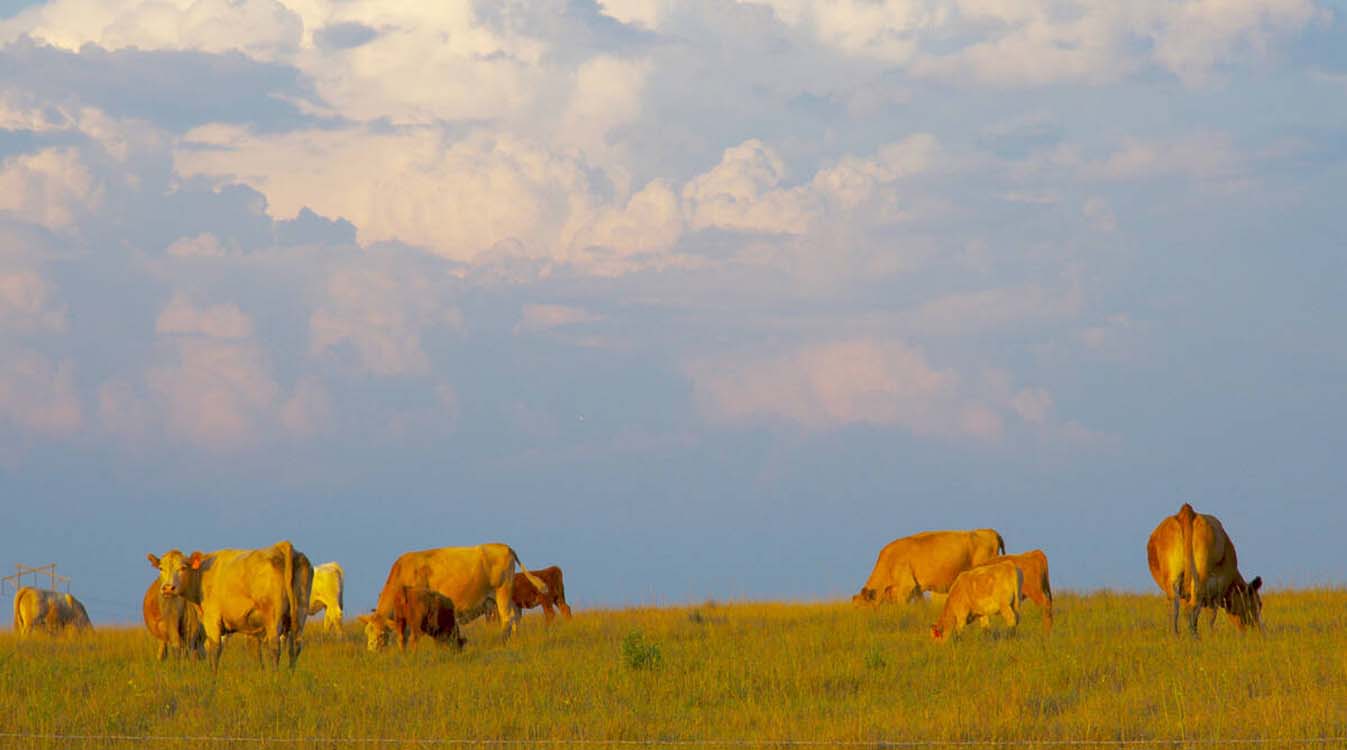
However, the growing appetite for beef is colliding with a structural supply constraint: a historically depleted U.S. cattle herd. Industry data indicates that cattle inventories remain near multi-decade lows, with ranchers facing high feed costs, climate pressures, and long production cycles that make rapid herd rebuilding difficult.
Agricultural economists note that cattle production operates on long biological timelines — meaning herd expansion can take years rather than months. This delay has created a persistent imbalance between strong consumer demand and limited supply availability, tightening market conditions across the supply chain.
At the same time, consumer spending on beef has remained resilient. Market research firm NIQ estimates Americans spent approximately $42.4 billion on beef over the past year, even as total volume purchases declined. This suggests households are paying more while buying less, reflecting sustained price inflation in the category.
Retailers and analysts say the situation is unlikely to ease in the short term. With grilling season approaching, demand is expected to rise further, placing additional pressure on already constrained inventories. Many consumers are now encountering higher prices for everyday cuts such as ground beef, sirloin, and roast.
Industry observers also highlight structural shifts in livestock economics. Many ranchers are hesitant to expand herds due to uncertainty around feed costs, land pressures, and long-term profitability, potentially limiting future supply recovery even if demand stabilizes.
The current market dynamic underscores a broader tension in the U.S. food system: a growing cultural emphasis on protein-rich diets versus the biological and economic limits of livestock production. Unless herd rebuilding accelerates significantly, analysts warn that beef prices may remain elevated well into the coming seasons, reshaping consumption habits and accelerating substitution toward alternative proteins in some segments of the market.