

Economic Survey 2025-26 shows livestock remains the backbone of agriculture while wheat, rice and sugarcane post gains despite mixed performance in major crops
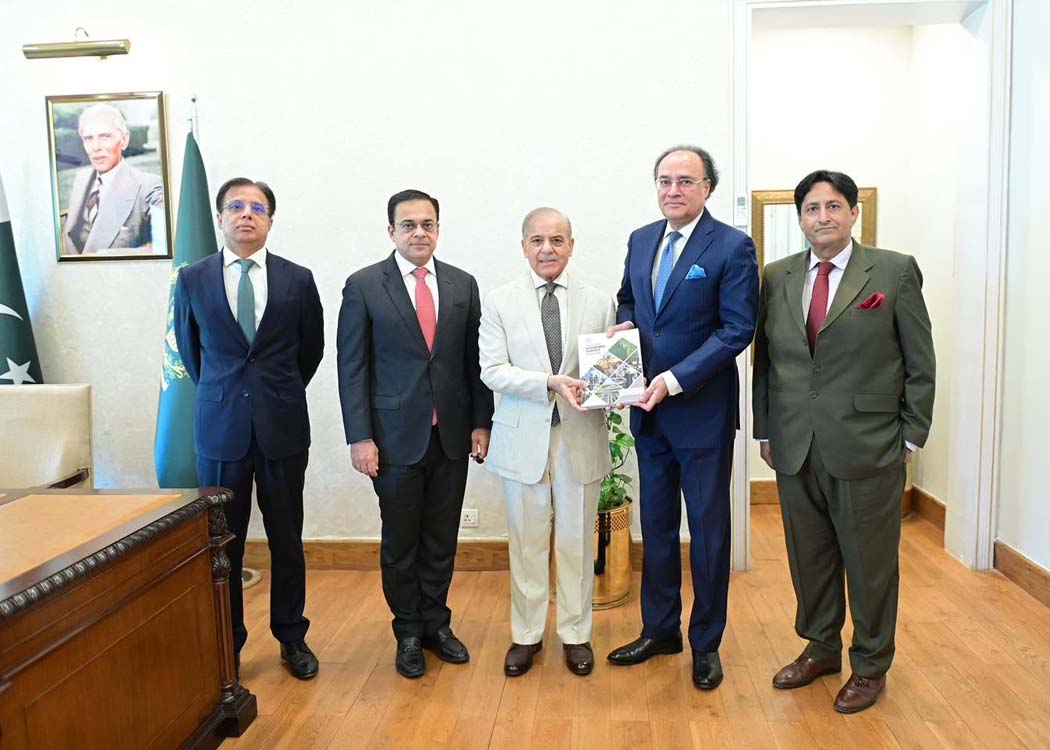
ISLAMABAD: Pakistan’s agriculture sector recorded a growth rate of 2.9% during fiscal year 2025-26, supported largely by the livestock sector and improved production of key crops including wheat, rice and sugarcane, according to the Economic Survey 2025-26 presented by Finance Minister Muhammad Aurangzeb on Thursday.
The agriculture sector, which remains a critical source of employment, food security and rural livelihoods for millions of Pakistanis, showed improvement over last year’s growth of 1.53%, although it remained below expectations amid challenges posed by climate-related disruptions and uneven crop performance.
The Economic Survey, released ahead of the federal budget, highlighted a mixed picture across Pakistan’s farm economy. While important crops posted modest growth, strong performance in livestock helped stabilize overall agricultural output and contributed significantly to rural incomes.
Livestock emerges as agriculture’s strongest pillar
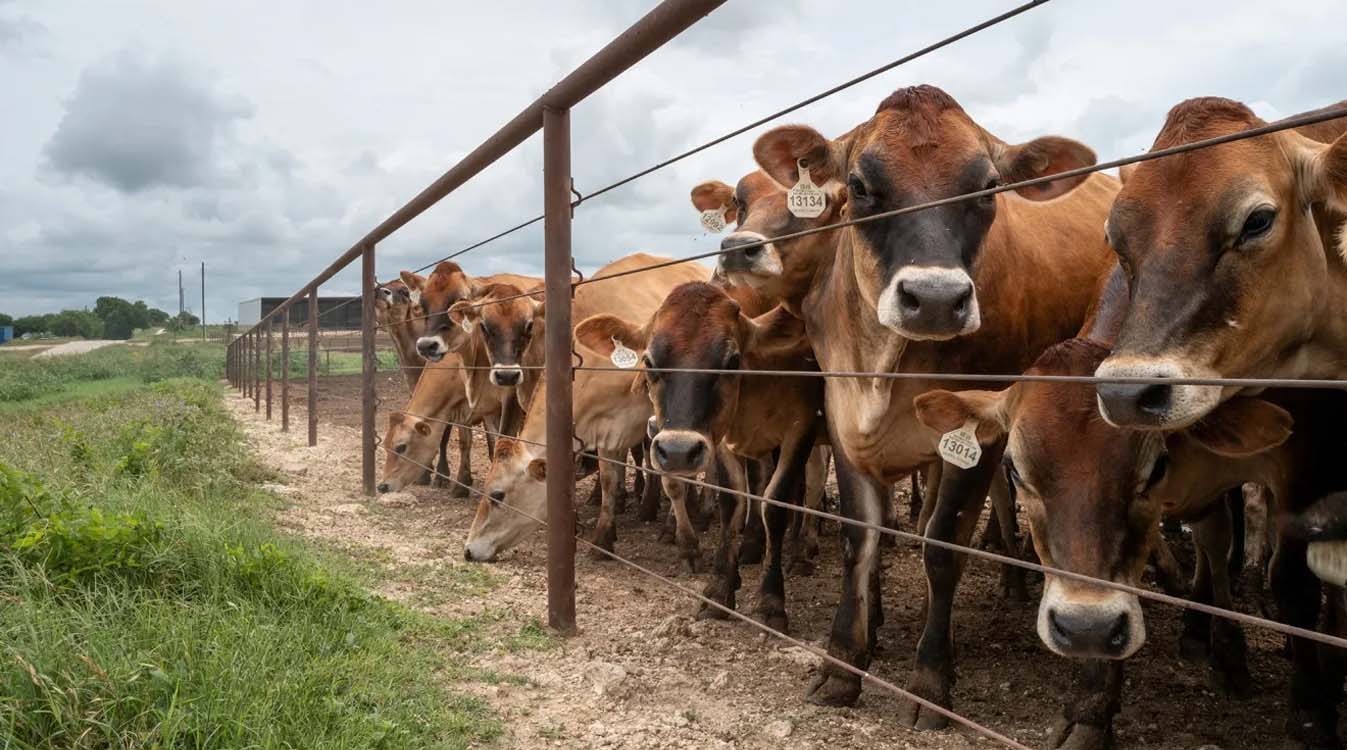
Livestock remained the largest and most resilient component of Pakistan’s agriculture sector, registering growth of 3.75% during FY2025-26 compared to 3% in the previous year.
The sector continues to play a central role in Pakistan’s rural economy, providing income, nutrition and employment opportunities across the country. Experts note that livestock now contributes a larger share to agricultural value addition than many traditional crop segments, making it increasingly important for sustainable agricultural growth.
The survey suggests that continued investment in animal health, breeding, feed quality, dairy production and meat exports could further strengthen the sector’s contribution to national economic growth.
Wheat, rice and sugarcane production increase
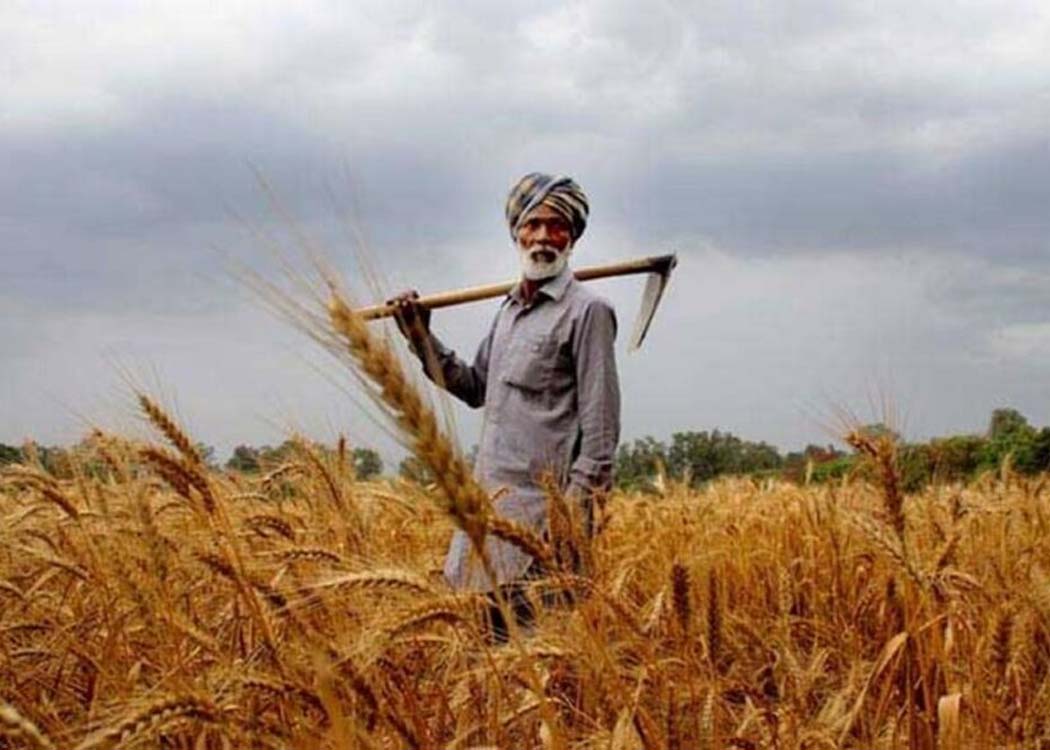
Among major crops, wheat production rose to 29.6 million tonnes from 28.4 million tonnes last year, reflecting growth of 4.6%. Rice production increased by 2.8% to reach 10 million tonnes, while sugarcane output grew by 6.2% to 89.5 million tonnes.
The increase in these crops helped offset declines in other segments and supported overall agricultural performance during the fiscal year.
Agriculture experts view the wheat recovery as particularly important given its significance for Pakistan’s food security and inflation management.
Cotton and maize remain areas of concern
Despite gains in several crops, the survey identified challenges in cotton and maize production.
Cotton output declined by 0.5% to 7.1 million bales, while maize production fell by 2.7% to 8.8 million tonnes.
The continued struggle of Pakistan’s cotton sector remains a concern for policymakers because of its direct link with the textile industry, which is the country’s largest export-earning sector.
Analysts say improving seed quality, addressing climate vulnerabilities and enhancing agricultural productivity will be critical for reversing the decline in cotton production.
Fisheries and forestry maintain positive momentum
The Economic Survey reported that both fisheries and forestry sectors maintained positive growth during FY2025-26, contributing to overall agricultural expansion. While the survey described their performance as normal growth, both sectors remain important sources of employment, exports and environmental sustainability.
Pakistan’s fisheries industry, particularly marine and inland fisheries, continues to support coastal communities and export earnings, while forestry contributes to environmental protection, climate resilience and biodiversity conservation.
Experts believe greater investment in aquaculture, sustainable fishing practices and forest conservation could unlock additional economic opportunities in the coming years.
Agriculture remains central to economic recovery
The Economic Survey showed that Pakistan’s overall economy expanded by 3.7% in FY2025-26, missing the official target of 4.2% but recording the fastest pace of growth in four years. Agriculture remained one of the key contributors to economic activity alongside industry and services.
Looking ahead, government planning documents project agricultural growth of 3.8% in FY2026-27, supported by recovery in important crops, cotton ginning and continued strength in livestock production. The survey underscores the sector’s continuing importance to Pakistan’s economy, where agriculture not only feeds the nation but also supports millions of jobs, drives rural development and contributes significantly to exports and industrial activity.