

Authorities increase wildlife and livestock testing after highly pathogenic H5N1 bird flu is detected in migratory seabirds in Western Australia and South Australia, while officials say poultry products remain safe.
Australian authorities have intensified bird flu surveillance and testing after highly pathogenic H5N1 avian influenza was detected in migratory seabirds across two states, raising biosecurity concerns for wildlife, poultry producers and regional trade.
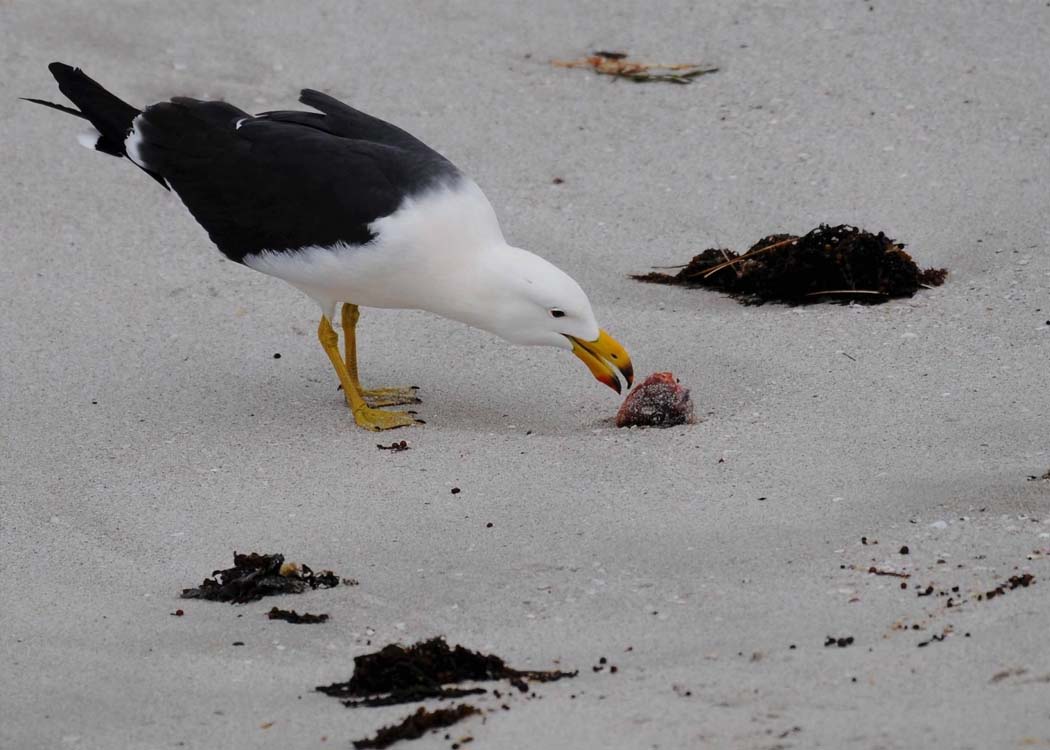
The latest case was reported in South Australia, where a migratory bird tested positive for the virus. The confirmation came shortly after Australia reported its first mainland H5N1 detections in Western Australia, near Esperance, marking a significant development for a country that had remained free of confirmed mainland cases while the virus spread widely across other parts of the world.
Authorities have responded by expanding testing in high-risk areas and increasing ground surveillance. Drone surveys are also being used at sea lion breeding sites along South Australia’s west and far west coasts as officials monitor whether the virus is affecting wildlife beyond migratory birds.
The Australian government has sought to reassure the public that the current risk to humans remains low. Officials have also said that chicken meat and eggs remain safe to eat when handled and prepared normally.
At the same time, the detections have triggered heightened concern among poultry producers, wildlife authorities and trading partners. Western Australia said further samples were undergoing testing after reports of sick and dead birds, while Papua New Guinea briefly suspended poultry imports from Australia before easing the restrictions with certain conditions.
Although Australia’s poultry industry mainly serves the domestic market, Papua New Guinea remains an important export destination for Australian poultry products. Any wider spread of H5N1 could therefore carry both public health and trade implications.
The Australian government says there are currently no detections in poultry and no evidence of large-scale animal deaths. However, authorities are urging the public not to touch sick or dead birds and to report unusual bird or animal deaths to emergency animal disease services.
H5N1 has caused major outbreaks in wild birds, poultry and some mammals globally, leading to the culling of millions of birds and disruptions to poultry meat and egg supplies in several countries. Its arrival on mainland Australia has increased pressure on authorities to protect commercial farms, native wildlife and vulnerable animal populations.
Australia has already tightened farm biosecurity measures, increased testing of shorebirds, carried out outbreak preparedness exercises and taken steps to protect vulnerable species. Officials say continued monitoring will be essential to contain the virus and reduce the risk of wider transmission. The latest detections underline the growing global challenge posed by avian influenza, particularly as migratory birds continue to play a major role in spreading the virus across regions and continents.