


As Australia records its first suspected mainland H5N1 bird flu case, experts say the risk to the general public remains low and properly cooked chicken and eggs continue to be safe for consumption.
SYDNEY: The detection of a suspected case of highly pathogenic H5N1 bird flu on mainland Australia has sparked public concern over whether people can become infected through chicken and eggs and what symptoms to watch for.
The case, involving a migratory wild bird in Western Australia, marks a significant development after Australia remained free of the H5N1 strain that has affected poultry and wildlife in many parts of the world.
Health experts, however, stress that the risk to the general public remains low.
According to public health authorities and infectious disease experts, there is no evidence that properly handled and thoroughly cooked chicken, eggs or poultry products transmit H5N1 bird flu to humans. Cooking poultry and eggs to recommended temperatures effectively destroys the virus.
Experts advise consumers to continue following standard food safety measures, including washing hands after handling raw poultry, avoiding cross-contamination in the kitchen and ensuring that chicken and eggs are cooked properly.
Human infections with H5N1 are rare and have typically occurred following close and prolonged exposure to infected birds or contaminated environments, particularly among poultry workers and individuals involved in handling sick or dead birds.
Symptoms of bird flu in humans can vary and may include:
- Fever
- Cough
- Sore throat
- Muscle aches
- Fatigue
- Shortness of breath
- Eye redness or conjunctivitis
In severe cases, the infection can progress to pneumonia and serious respiratory illness.
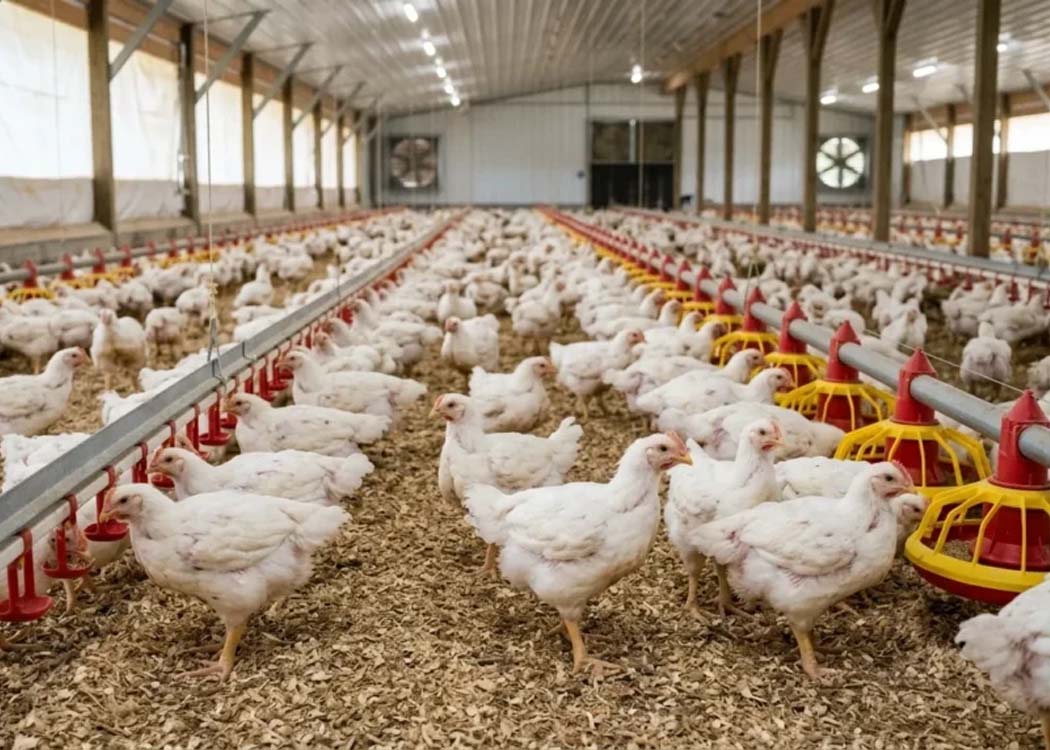
The latest development has also prompted renewed attention to biosecurity measures within the poultry industry, with authorities and producers stepping up surveillance efforts to monitor wild birds and protect commercial flocks.
Experts emphasise that while vigilance is necessary, the detection of H5N1 in wildlife should not trigger panic among consumers. For most people, the advice remains straightforward: avoid contact with sick or dead birds, practice good hygiene and continue consuming properly cooked chicken and eggs with confidence.