
AVN Report
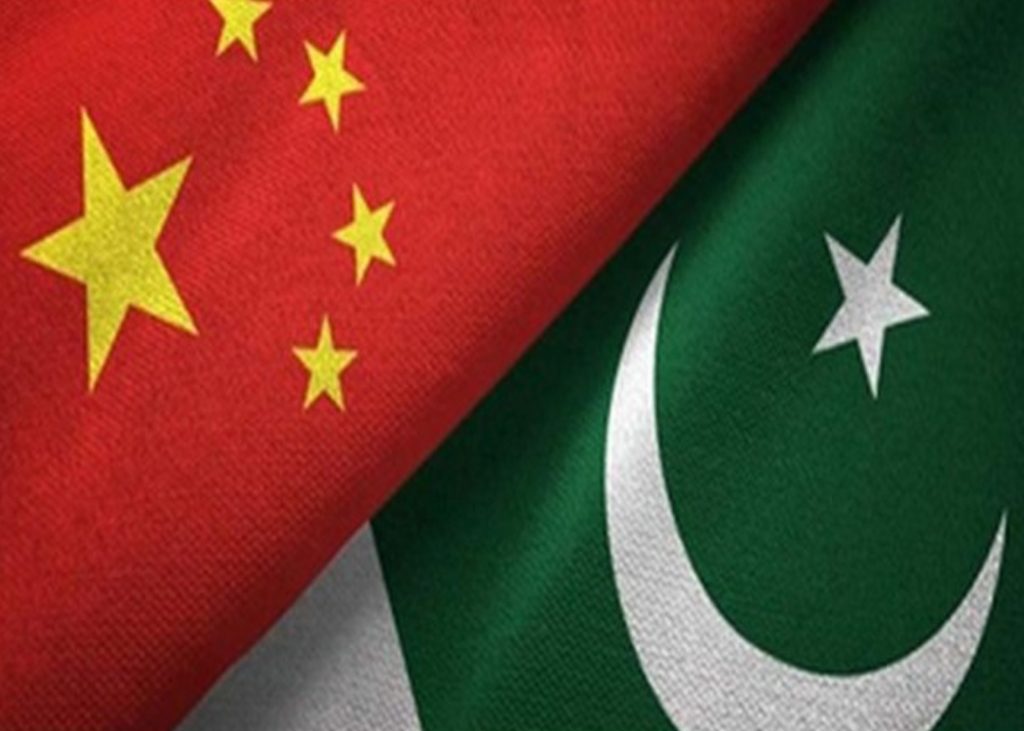
ISLAMABAD: The recently established Export Advisory Councils (EACs) will be playing a pivotal role in increasing the country’s exports, with a particular focus on expanding trade with China, its largest trade partner.
This was stated in an interview by Khalil Sattar, former chairman of the Pakistan Poultry Association (PPA) and CEO of K&N’s Foods (Pvt) Ltd, representing the poultry industry in the EAC. He stressed the potential impact of these councils on export growth.
The EACs have been crafted to include key representatives from diverse industrial sectors, providing strategic advice to the Ministry of Commerce on crucial matters. The ministry’s initiative is aimed at participation from sectors such as textiles, agriculture, marble, cement, among others.
Mr Sattar lauded this initiative, saying it allows the private sector, actively engaged in business, to communicate challenges hindering the realisation of export potential directly to the government.
Recent data from the Pakistan Bureau of Statistics (PBS) reveals a significant 33.59pc increase in the country’s trade deficit. Notably, there has been a 17.3pc decrease in imports as part of Pakistan’s efforts to enhance economic indicators amid a depreciating local currency and depleting foreign exchange reserves.
Pakistan’s exports to China have shown promising growth, experiencing a 41pc increase from July 2022 to October 2023, reaching USD 1.23 billion compared to USD 876.8 million during the same period last year.
However, in adherence to the agreement with the International Monetary Fund (IMF), the Pakistani government is obligated to increase revenue collection. To meet these targets, import duties and sales taxes have been imposed on various raw materials imported for the production of exportable items.
The EACs are expected to play a crucial role in navigating these economic challenges and facilitating sustainable export growth.