

SPI increases 0.49% in week ended September 17 as eggs become costlier while chicken prices fall 2.33%; fuel prices record sharp increases
ISLAMABAD: Pakistan’s weekly inflation increased 0.49% in the week ended September 17, 2026, with egg prices rising 1.72% while chicken prices declined 2.33%, according to the latest data released by the Pakistan Bureau of Statistics (PBS).
The Sensitive Price Indicator (SPI), which tracks short-term movements in the prices of essential commodities, rose to 366.05 points during the week from 364.26 points a week earlier. On a year-on-year basis, the SPI increased 10.64%.
The latest figures present a mixed picture for Pakistan’s poultry market. Eggs were among the food items that became more expensive during the week, while chicken recorded a decline. The contrasting movement came as fuel prices registered some of the sharpest increases in the SPI basket.
Egg prices rise as poultry market shows mixed movement
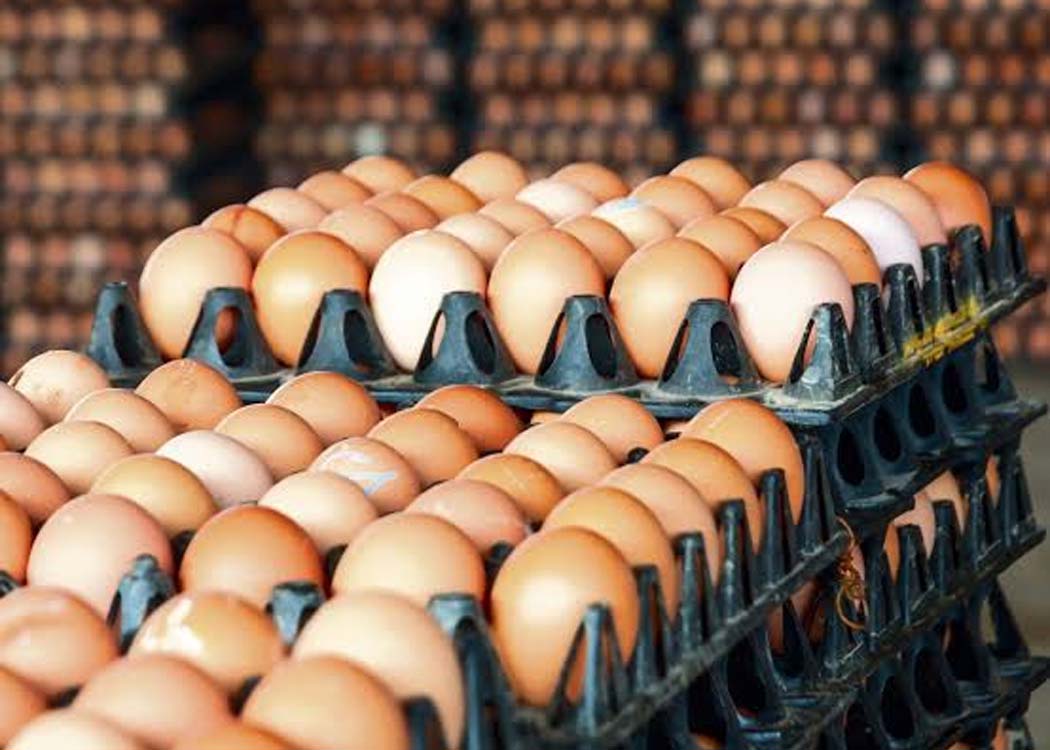
Egg prices increased 1.72% week-on-week, making eggs the second-largest increase among the food items that became more expensive during the period, after garlic, which rose 1.94%.
Other food products that recorded weekly increases included pulse gram at 0.80%, plain bread at 0.74%, pulse masoor at 0.49%, mustard oil at 0.44%, pulse moong at 0.39% and mutton at 0.26%.
The increase in egg prices comes despite a decline in chicken prices, highlighting different price movements within the poultry category during the latest reporting week.
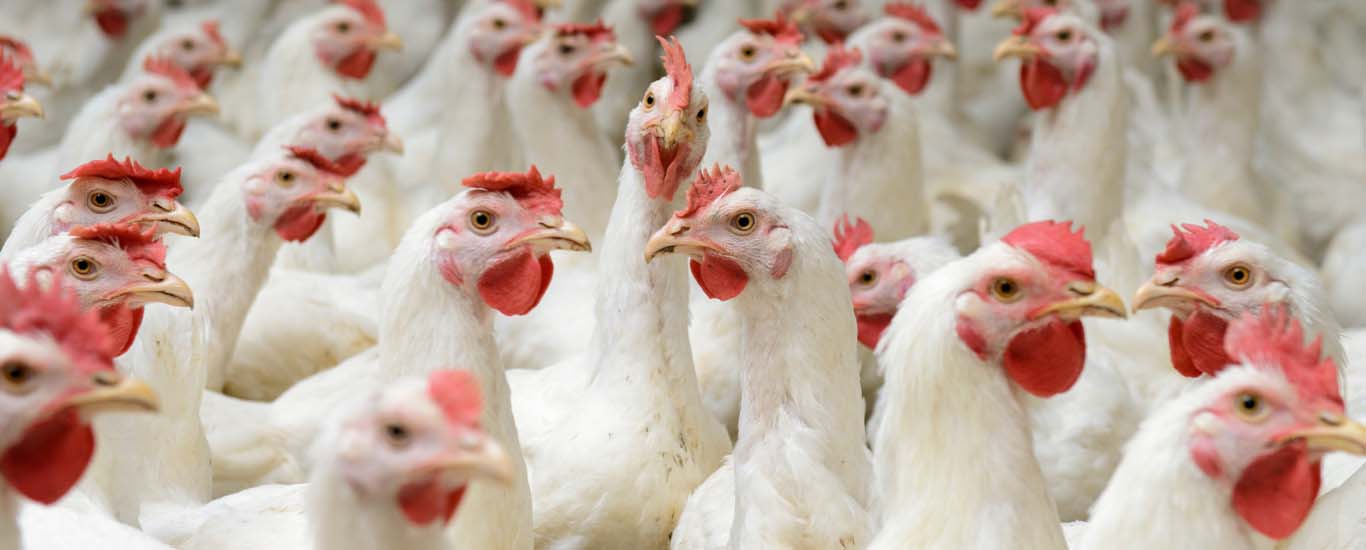
Chicken prices decline 2.33%
Chicken prices fell 2.33% during the week, placing the commodity among the food items that recorded notable price declines.
The decrease followed larger falls in the prices of bananas, tomatoes and onions, which dropped 6.17%, 5.66% and 4.57%, respectively. Other food items that became cheaper included powdered milk, wheat flour, IRRI-6/9 rice and sugar.
The latest movement means chicken and eggs did not follow the same direction during the week: chicken became cheaper while eggs became more expensive.
Fuel prices drive weekly inflation higher
The overall increase in weekly inflation was driven largely by a sharp rise in fuel prices.
High-speed diesel prices increased 7.29% during the week, while petrol prices rose 6.40% and LPG prices increased 3.26%.
Diesel increased to Rs423.47 per litre from Rs394.68, while petrol rose to Rs393.41 per litre from Rs369.75, according to the PBS-based figures reported during the week.
The increase in fuel costs is relevant to agriculture and the poultry supply chain because transportation and farm operations are exposed to changes in energy and fuel prices. However, the weekly SPI data themselves do not establish a direct causal link between the fuel increase and the movement in chicken or egg prices.
19 essential items become more expensive
Of the 51 essential items monitored under the SPI, prices of 19 items increased, nine declined and 23 remained unchanged during the week.
The SPI covers prices collected from 50 markets in 17 cities and is designed to measure short-term movements in essential commodity prices.
The highest expenditure group, comprising households spending more than Rs44,175 per month, recorded the largest weekly increase at 0.77%, while its year-on-year SPI inflation stood at 11.13%.
The lowest expenditure group recorded a weekly decline of 0.14%, while the second group posted a marginal 0.01% increase. The third and fourth groups recorded increases of 0.14% and 0.30%, respectively.
Poultry prices remain an important consumer indicator
The latest figures offer a snapshot of how two major poultry products are moving at retail level amid broader inflationary pressures.
For consumers, the 1.72% weekly increase in egg prices represents a fresh upward movement in one of Pakistan’s widely consumed protein sources. At the same time, the 2.33% decline in chicken prices provides some relief in the poultry meat segment.
The two movements also underline why individual commodity prices can behave differently from the overall inflation index. The SPI increased during the week, but several food commodities — including chicken — became cheaper.
For the poultry industry, continued monitoring of consumer prices alongside feed, energy, transportation and other production costs will remain important in assessing market conditions in the coming weeks.
Year-on-year inflation reaches 10.64%
The latest weekly increase also pushed the SPI’s year-on-year inflation rate to 10.64%, compared with the corresponding week of 2025.
Among major items, onions recorded a particularly sharp annual increase of 117.77%, while LPG was 60.42% more expensive, diesel 54.21% higher and petrol 48% higher than a year earlier.
Against this broader inflation backdrop, the latest poultry-price movement remains mixed: eggs moved upward during the week, while chicken prices declined.
The next weekly SPI release will indicate whether the latest movement in poultry prices was temporary or part of a continuing trend.