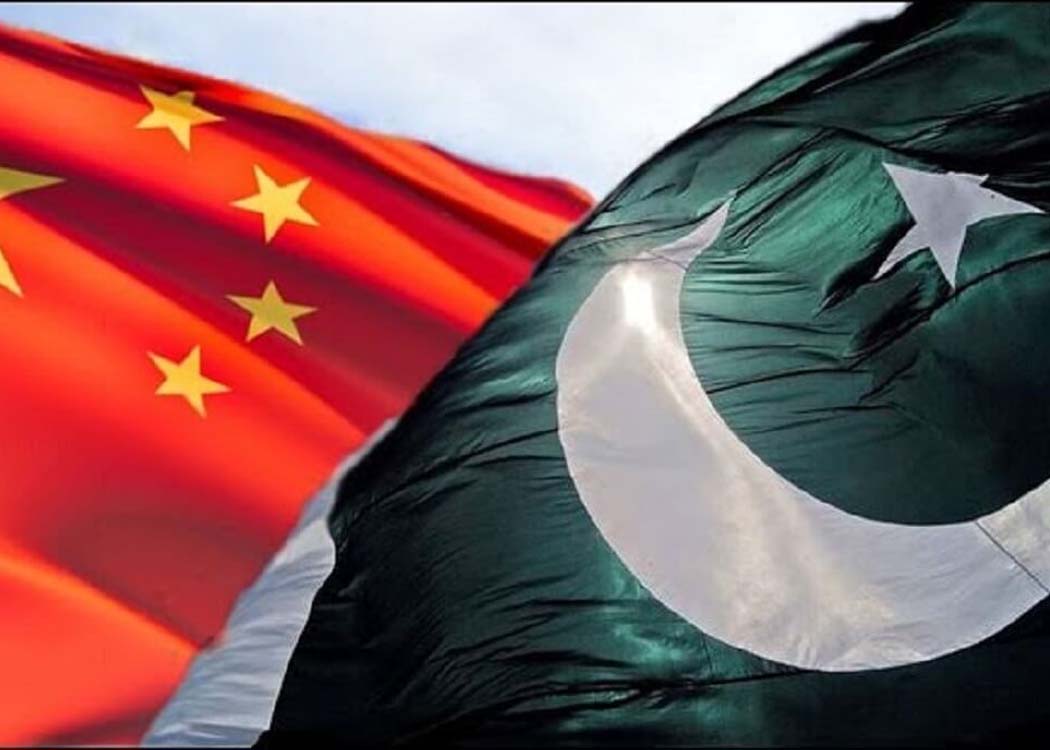


A China-backed farming initiative is helping Pakistani farmers grow more oilseed crops and increase their earnings, while offering a potential way to reduce the country’s heavy dependence on imported cooking oil.
BEIJING: A Chinese-developed variety of canola is helping thousands of Pakistani farming families earn more from their land while supporting efforts to produce more cooking oil locally, according to new project findings that have earned the initiative international recognition.
The agricultural cooperation project has reportedly helped approximately 60,000 farming households increase their annual income by an average of $800, while generating more than $350 million in agricultural output and benefiting an estimated two million people.
The initiative, which combines improved seeds, farmer training and agricultural machinery, was selected among 126 recommended projects at the seventh Global Solicitation on Best Poverty Reduction Practices, announced during an international seminar in Beijing on November 11, 2026.
The recognition followed a selection process involving 890 submissions from 31 countries, drawing attention to the potential of agricultural technology to improve rural livelihoods while addressing Pakistan’s longstanding dependence on imported edible oil.
For Pakistan, where cooking oil is an everyday household necessity and a major import expense, the development carries significance beyond the farming sector.
The country imports approximately 90% of its edible oil requirements, spending billions of dollars annually to meet domestic demand. Increasing local production of oilseed crops such as canola could help reduce this dependence while creating additional income opportunities for farmers.
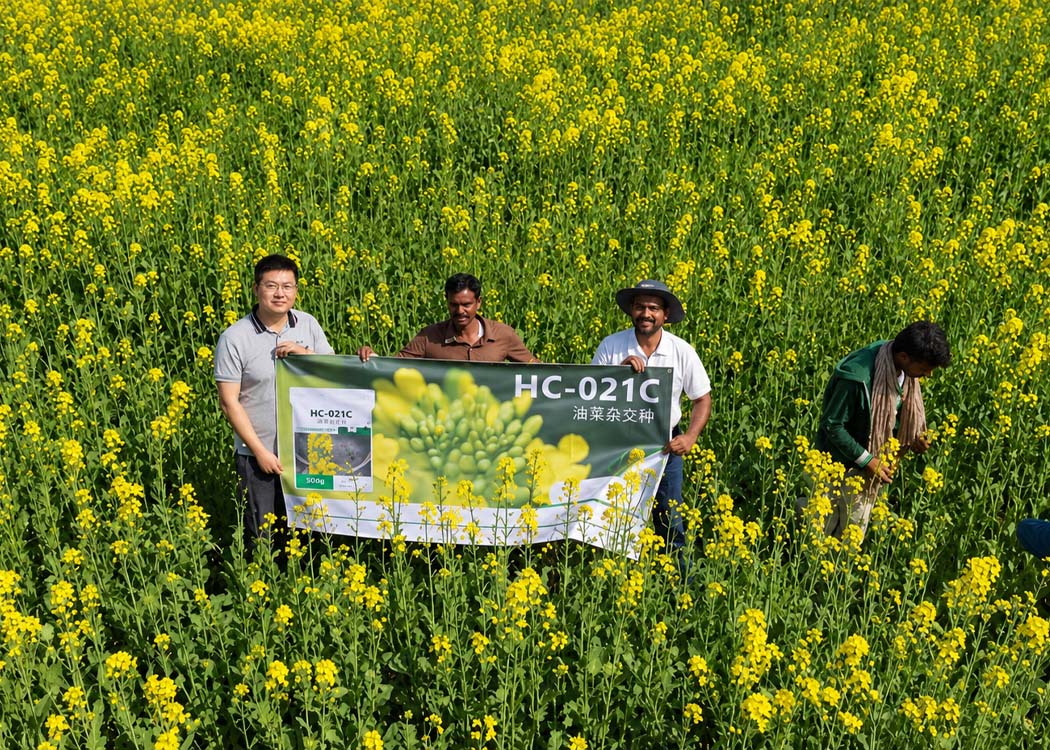
At the centre of the project is HC-021C, a hybrid rapeseed variety developed by Wuhan Qingfa Hesheng Agricultural Development Co., Ltd., a Chinese seed company involved in agricultural cooperation with Pakistan since 2009.
Rapeseed, commonly associated with canola cultivation, produces seeds from which edible vegetable oil is extracted. The remaining material can also be processed into animal feed, giving the crop value beyond cooking oil production.
According to the project findings, HC-021C produces 7% to 9% higher seed yields than local mustard varieties, while containing approximately 8% more oil.
For farmers, higher yields can mean more produce to sell from the same area of land, while greater oil content can improve the crop’s value to oil processors.
The variety also has a relatively high smoke point, exceeding 215°C, making the extracted oil suitable for high-temperature cooking methods commonly used in Pakistani households.
Another feature is its low erucic acid and low glucosinolate content, characteristics associated with canola-quality oilseeds and their suitability for edible oil and animal feed production.
After oil extraction, the remaining seed meal contains approximately 38% to 40% protein, offering a potentially valuable ingredient for livestock feed.
This means the crop can contribute to two important areas of Pakistan’s agricultural economy: domestic edible oil production and animal nutrition.
The scale of cultivation has also expanded considerably.
Project figures indicate that HC-021C has been planted across approximately 3.5 million mu, equivalent to more than 233,000 hectares, representing around 38% of Pakistan’s reported hybrid rapeseed cultivation area.
The reported planting figure reflects the project’s scale, although the published information does not clarify how much represents land cultivated in a single season rather than cumulative planting over several years.
The project has moved beyond the introduction of improved seed varieties.
Its approach combines access to hybrid seeds with practical cultivation training and machinery suited to local farming conditions, helping farmers improve crop management, harvesting and oilseed production.
Earlier reports on the cooperation highlighted efforts to develop harvesting equipment that reduces losses during crop collection, an important consideration because a productive crop can still lose commercial value if substantial quantities of seed are wasted before reaching the market.
The income gains reported by the project suggest that improved crop varieties, combined with appropriate farming practices and market access, can create additional opportunities for rural households.
However, higher yields do not automatically guarantee higher profits. Farmers’ actual earnings also depend on seed costs, fertiliser, irrigation, machinery, harvesting expenses and the prices offered by buyers.
The project has reported average annual household income gains of $800, although the latest announcement does not provide detailed independent assessments of individual farm costs or the methodology used to calculate those gains.
The cooperation also illustrates how agricultural partnerships between Pakistan and China are expanding beyond infrastructure and trade into crop development, technology transfer and rural livelihoods.
The project, titled “Empowering Poverty Reduction and Food Security in Pakistan through China’s Double-Low Hybrid Rapeseed Technology,” was recognised through an international initiative that promotes practical approaches to reducing poverty and improving living standards.
The Global Solicitation on Best Poverty Reduction Practices was established in 2018 through cooperation involving the International Poverty Reduction Center in China, the World Bank, the Asian Development Bank and United Nations agencies working on food security and rural development.
Its latest selection highlights examples of agricultural and development initiatives that could offer lessons for communities facing similar economic challenges.
For Pakistan, the larger question is whether projects of this kind can be expanded sufficiently to make a measurable difference to national edible oil production.
Although the reported cultivation and income gains are encouraging, the latest project findings do not quantify how much Pakistan’s overall edible oil import bill has actually fallen as a result of HC-021C cultivation.
Reducing import dependence on a national scale would require sustained improvements in domestic oilseed production, processing capacity, reliable market access and incentives that make cultivation financially worthwhile for farmers.
Nevertheless, the reported experience demonstrates how improved crop varieties and practical agricultural support can work together to address two longstanding challenges: limited rural incomes and dependence on imported food commodities.
For thousands of farming families, the immediate benefit may be additional earnings from their fields. For Pakistan, the broader opportunity lies in growing more of the cooking oil it consumes while strengthening the agricultural economy that supports millions of livelihoods.