

New Shaanxi-backed research and technology transfer initiatives unveiled at Lahore’s PINTECH Expo will connect Chinese researchers with more than 10 Pakistani universities, with plans for joint laboratories, demonstration farms, talent development and collaborative research funding.
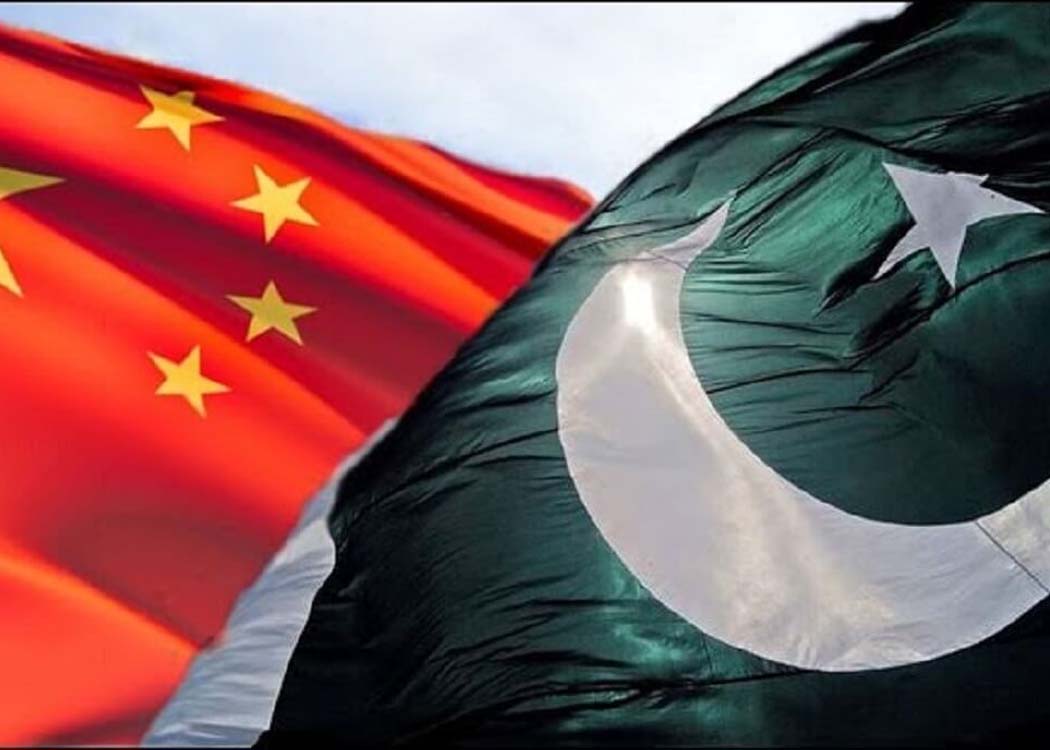
LAHORE: China and Pakistan have launched two joint research and technology cooperation platforms aimed at strengthening agricultural research, promoting innovation and expanding scientific collaboration between universities and research institutions in both countries.
The Shaanxi Belt and Road Joint Laboratory on Dryland Biological Resources and Green Smart Agriculture and the Pakistan Branch of the Shaanxi International Technology Transfer and Innovation Cooperation Centre were officially launched at the 2026 Punjab Innovation and Technology Expo (PINTECH Expo) in Lahore on November 14.
The initiative is being led by Professor Zhang Lixin of China’s Northwest A&F University (NWAFU) and is expected to create new opportunities for cooperation with more than 10 Pakistani universities.
The proposed collaboration will focus on establishing joint laboratories and agricultural demonstration bases, alongside talent development programmes designed to strengthen research capabilities and facilitate the exchange of technical expertise.
Participating Pakistani institutions include the University of Agriculture Faisalabad, University of Sargodha, Pir Mehr Ali Shah Arid Agriculture University Rawalpindi (PMAS-AAUR), University of Veterinary and Animal Sciences (UVAS) Lahore, University of Engineering and Technology (UET) Lahore and the Islamia University of Bahawalpur.
The broader university collaboration is expected to provide a framework for joint research, practical agricultural applications and the development of skilled professionals in areas related to dryland biological resources and sustainable agricultural technologies.
Joint research fund planned to support collaboration
In a parallel development, the Shaanxi International Technology Transfer and Innovation Cooperation Centre and Pakistan’s Higher Education Commission (HEC) signed a letter of intent to establish a joint research fund.
The proposed fund is intended to support collaborative research activities and strengthen institutional links between the two countries. The announcement did not specify the fund’s financial allocation, funding mechanism or implementation timeline.
Four agricultural technical publications introduced
The cooperation initiative also includes the introduction of four agricultural technical publications for distribution in Pakistan.
Published by Shaanxi Science and Technology Press and Northwest A&F University Press, the publications cover four areas of agricultural production and technology:
- Sesame cultivation
- Apple cultivation
- Layer chicken farming
- Production of bio-healthy agricultural products
The publications are available in English, Urdu, Chinese and Russian, making their technical content accessible to a wider range of researchers, agricultural professionals and farming communities.
The publications are intended to facilitate the dissemination of agricultural knowledge and practical production techniques, complementing the research and technology transfer activities planned under the new cooperation platforms.
Expanding China-Pakistan agricultural cooperation
The establishment of the two platforms, proposed university partnerships and joint research funding initiative marks an expansion of scientific and technological cooperation between China and Pakistan.
By bringing together Chinese research expertise and Pakistani higher education institutions, the initiative aims to create opportunities for collaborative research, agricultural technology transfer, practical demonstrations and professional development.
The focus on dryland biological resources and green smart agriculture also places agricultural innovation and sustainable production among the key areas of the emerging partnership.
The success of the initiative will depend on how the proposed laboratories, demonstration bases, research funding and university partnerships are translated into operational programmes and sustained research activities.