

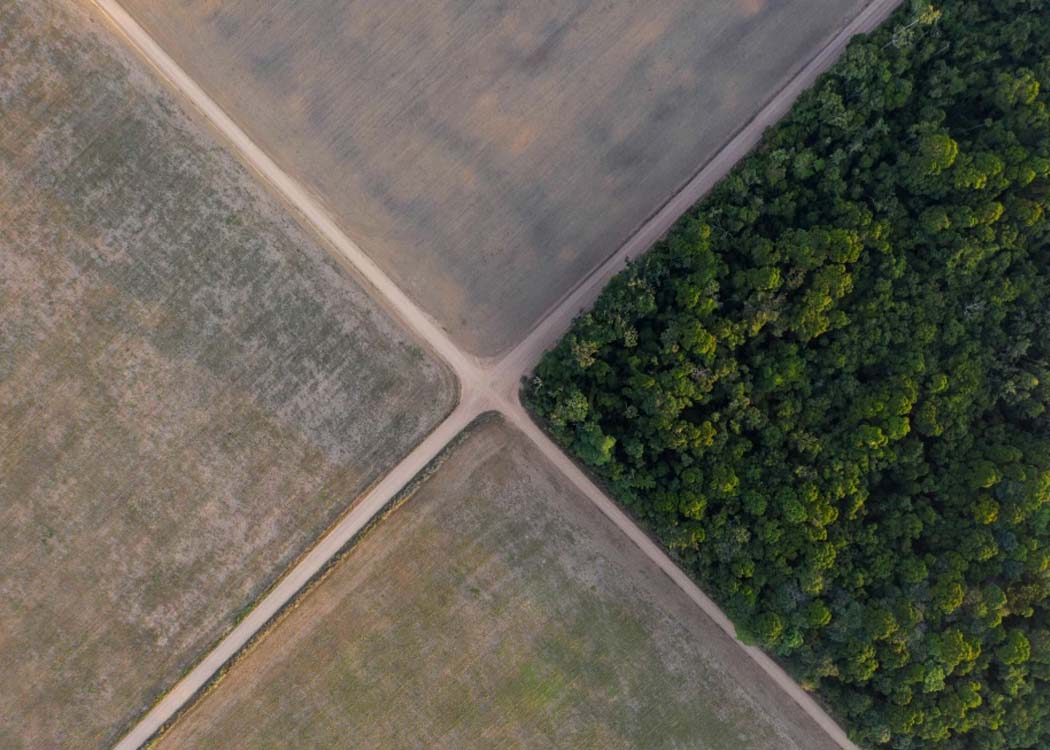
Withdrawal from Amazon Soy Moratorium raises fears of increased deforestation and risks to sustainability in global agricultural supply chain
In a significant development for both the Brazilian and global agricultural industries, Brazil’s major soy produce, led by influential groups like ABIOVE, have announced their decision to withdraw from the Amazon Soy Moratorium. This long-standing pact, which has been instrumental in reducing deforestation in the Amazon, was originally credited with decreasing deforestation rates by nearly 69% over the past decade. The moratorium had effectively restricted soy production in the Amazon rainforest, thereby curbing the expansion of agricultural activity into this critical ecosystem.
Concerns about increased deforestation
The moratorium, which has been in place since 2006, was hailed as a landmark effort in balancing agricultural expansion with environmental protection. However, the decision by the major producers to pull out of this agreement has raised serious concerns among environmental groups, sustainability experts, and policymakers. Critics argue that this move could lead to a resurgence in deforestation, as soy production may once again expand into previously protected areas of the Amazon, exacerbating environmental degradation.
Global implications for climate and agriculture
Environmental advocates warn that Brazil’s exit from the moratorium could undermine years of progress made toward sustainable agriculture and the fight against climate change. The Amazon rainforest, often referred to as the “lungs of the Earth,” plays a crucial role in absorbing carbon dioxide and regulating the global climate. Any significant increase in deforestation could worsen the effects of global warming, impacting not just Brazil, but the entire planet.
Additionally, the potential increase in deforestation could disrupt the global agricultural supply chain, particularly in regions dependent on Brazilian soy. Soy is a key ingredient in animal feed, biofuels, and various food products, and Brazil is the world’s second-largest producer. The nation’s decisions will likely ripple through global markets, raising questions about the sustainability of food production systems.
Calls for accountability and sustainability
The withdrawal from the Amazon Soy Moratorium has prompted global calls for accountability from multinational corporations, investors, and governments. Leading environmental organizations have urged the Brazilian government and agricultural stakeholders to reconsider their decision and prioritize long-term environmental stability over short-term economic gains.
In response to these concerns, ABIOVE and other industry leaders have stated that they plan to enhance their sustainability efforts in other areas. However, critics remain skeptical about the effectiveness of such measures without the structural constraints imposed by the moratorium.
Looking ahead
As the world grapples with the challenges of climate change, deforestation, and the future of agriculture, the outcome of this decision will have significant ramifications for global food systems, environmental policy, and climate action. It underscores the tension between economic growth and environmental preservation, and how industries like agriculture will navigate the complexities of ensuring sustainability while meeting global food demands.