


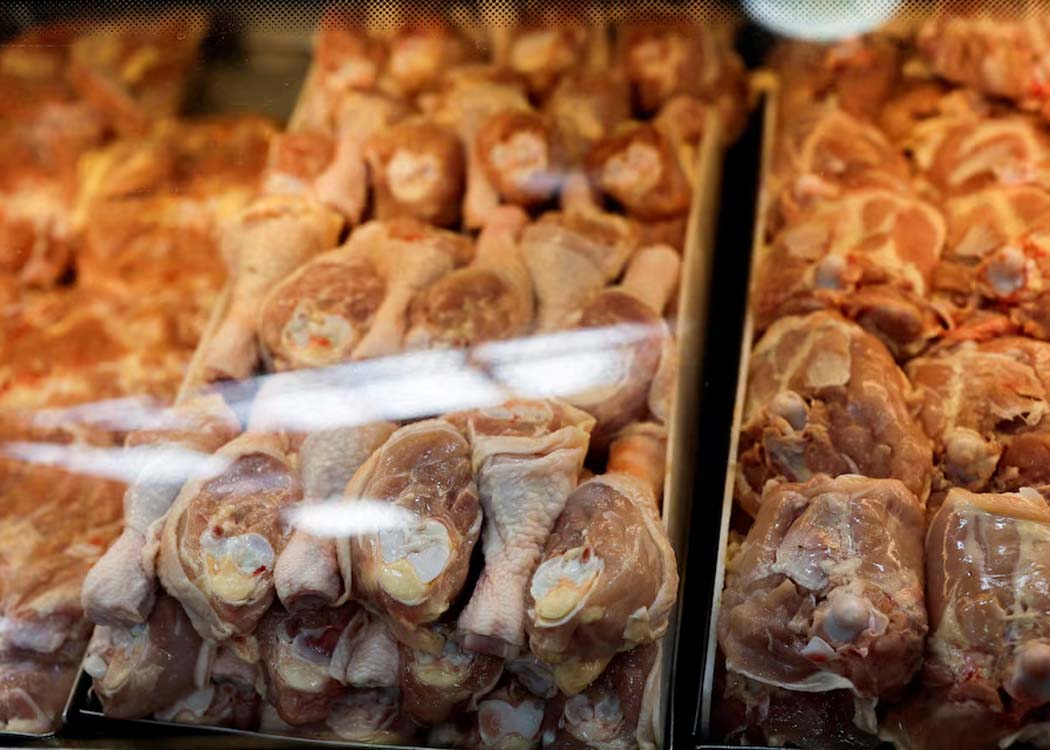
Brazilian chicken exports expected to increase by 0.5% in 2025 despite bird flu outbreaks and trade bans from key buyers.
SAO PAULO: Brazil’s chicken export industry is set to experience a modest rise in exports, expected to increase by 0.5% to 5.32 million metric tons in 2025, despite challenges from a bird flu outbreak that led to trade bans from major buyers like China, Japan, and the European Union.
The Brazilian meat lobby, ABPA, initially projected an export growth of up to 1.9%, reaching 5.4 million tons before the bird flu outbreak in Rio Grande do Sul state in May. However, after the outbreak and the subsequent trade bans, ABPA revised its forecast to a decline of as much as 2%, estimating exports to fall to 5.2 million tons. Now, with the trade bans easing, exports are expected to show slight growth, aided by favorable shifts in the global market.
A key factor helping Brazil maintain its strong position in the global poultry market is the ongoing bird flu outbreaks in the United States, which impact local production and exports. Brazil’s main competitor, the U.S., holds 27% of the global chicken trade, while Brazil controls 38%. ABPA President Ricardo Santin noted that any reduction in U.S. exports has a significant impact on Brazil’s export opportunities, and it could help boost domestic exports.
In addition to positive export projections, Brazilian chicken meat production is also forecasted to grow by up to 2.2%, reaching 15.3 million tons in 2025, and further increasing to 15.6 million tons in 2026.
Brazil’s pork industry is also experiencing a boom. ABPA predicts that Brazilian pork exports will increase by up to 10% this year to 1.49 million tons. Meanwhile, pork production is expected to rise by 4.6%, reaching 5.55 million tons in 2025. This growth is driven by favorable trade conditions, especially following outbreaks of African swine fever in Europe and the Philippines, which have created new opportunities for Brazilian suppliers in the global pork market. Despite the challenges posed by bird flu, Brazil’s poultry and pork industries remain resilient, with a promising outlook for 2025 and beyond.