

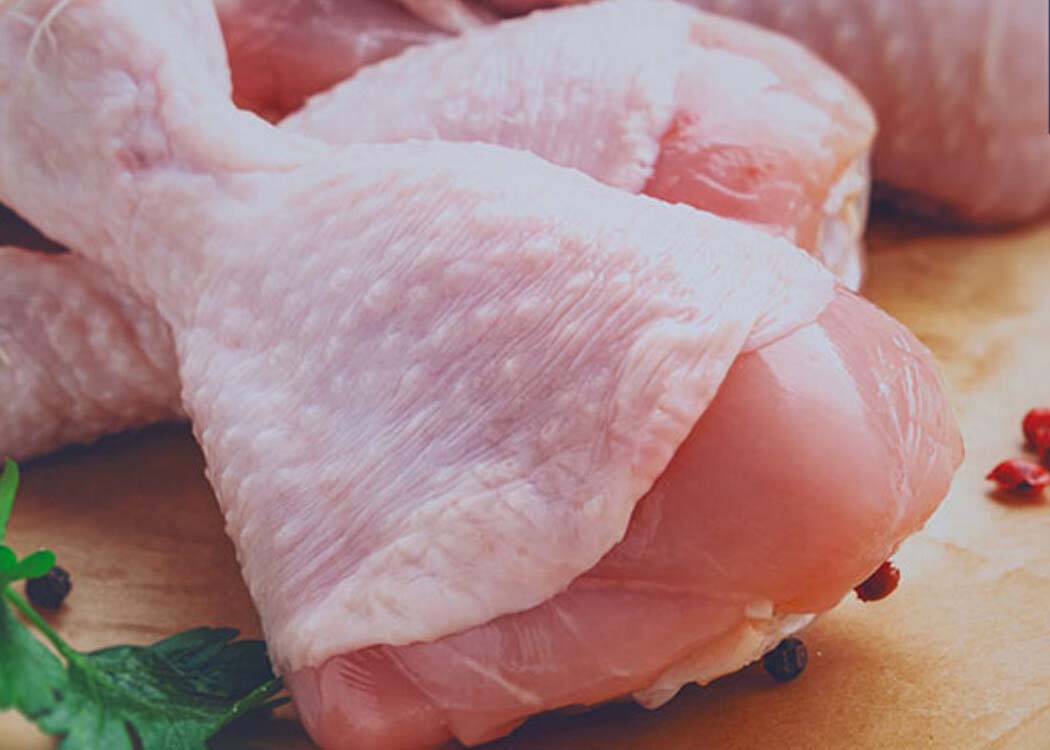
For the first time ever, frozen chicken leg prices have overtaken breast meat prices in North Asia, reflecting a dramatic shift in poultry market dynamics driven by high demand.
In a landmark development for the poultry market, prices for frozen chicken legs in North Asia have surpassed those of chicken breasts for the first time ever. This unprecedented shift highlights a significant change in the demand-supply dynamics of the global poultry market, particularly in Asia.
The reversal of traditional pricing trends in the poultry sector comes amidst rising demand for chicken legs, especially in countries such as China, Japan, and South Korea. Traditionally, chicken breasts have commanded higher prices due to their popularity in international markets, particularly in the West. However, this recent market inversion points to evolving consumer preferences and changing supply chain dynamics in North Asia.
What’s Driving the Shift?
The primary driver behind this historic price inversion is surging demand for chicken legs. As more consumers in North Asia turn to dark meat for its rich flavor and affordability, chicken legs have become a more sought-after commodity. In addition, supply disruptions caused by ongoing challenges in poultry production have affected the availability of chicken breasts, further pushing up the price of legs.
In recent months, supply chain disruptions, which include labor shortages and transportation challenges, have left producers struggling to meet demand. As a result, chicken legs—often viewed as a secondary cut—have become the focal point of the market, with prices reflecting this dramatic shift.
The Global Impact of the Price Inversion
This change in the price structure of chicken could have far-reaching effects on the global poultry market. In the short term, North Asian consumers may see lower prices for dark meat cuts, which could drive further demand. However, producers may have to adjust their production strategies to accommodate this shift in demand, focusing more on dark meat production.
For exporters, this price inversion also has significant implications. Poultry producers in North America, Europe, and Brazil, traditionally focused on breast meat exports, may need to reassess their strategies as North Asia becomes an increasingly important market for dark meat. Producers will need to balance their output of chicken breasts and legs to meet changing demand across the globe.
Looking Ahead: What’s Next for the Poultry Market?
This price inversion also signals the possibility of a long-term change in how poultry products are priced globally. Experts suggest that North Asia’s growing preference for dark meat could lead to increased investments in production processes that prioritize chicken legs and other dark meat cuts. As the poultry industry adapts to these shifts, it will need to embrace flexibility and innovation in order to stay competitive in an ever-evolving market. The rise in chicken leg prices, driven by increasing demand in North Asia, marks a new chapter in the global poultry market, one that could have lasting implications for producers, exporters, and consumers alike.