

Innovative LIFE projects tackle ammonia pollution from farming, highlighting solutions for a cleaner, sustainable future in agriculture.
Brussels: Ammonia emissions from intensive livestock farming and the use of fertilizers are a major environmental challenge in Europe. These emissions not only harm human health and worsen air pollution, but they also contribute to climate change. In response to this pressing issue, a recent LIFE platform meeting brought together representatives from 11 LIFE projects and one Horizon project, along with colleagues from the European Commission, to discuss innovative solutions aimed at reducing ammonia emissions in agriculture.
A growing environmental, health concern
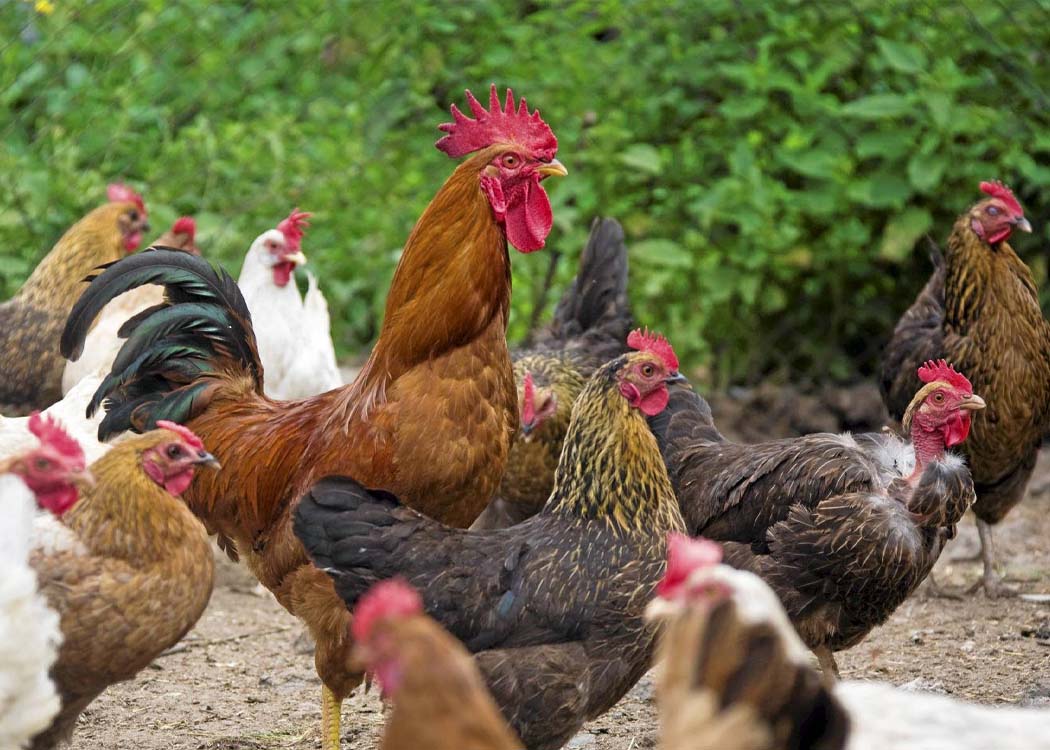
Ammonia, which accounts for 90% of agricultural emissions, is a significant contributor to both air and water pollution in Europe. Emissions from livestock manure—particularly from pigs, cattle, and poultry—and from nitrogen fertilizers pose a severe risk to public health, ecosystems, and the agricultural sector itself.
To address this, the Industrial Emissions Directive (IED), which came into effect in 2024, recognizes the critical role of agriculture in achieving EU emission reduction targets. The directive now includes intensive livestock farming and agri-industrial businesses, with more than 38,500 EU pig and poultry farms under its scope. These efforts are vital in combating ammonia emissions and ensuring healthier air quality.
Collaboration and innovative solutions
The LIFE Networking Meeting provided a platform for experts to share best practices and innovative solutions for reducing ammonia emissions in farming. Key highlights from the meeting include the Ambient Air Quality Directive and the IED, which together set stringent limits and monitoring requirements for ammonia emissions, thus reducing pollution and safeguarding environmental health.
LIFE projects showcase cutting-edge technologies
Among the LIFE projects showcasing innovative solutions was LIFE Green Ammonia, which piloted gas-permeable membrane technology to reduce ammonia emissions at pig and poultry farms in Spain and Portugal. The project demonstrated a 60-90% reduction in ammonia emissions, showcasing the feasibility of high-efficiency emissions abatement across the entire manure management chain. Another notable project, LIFE MEGA, reduced ammonia emissions from pig barns by up to 95% using a new online monitoring and reduction system.
Other LIFE projects, such as LIFE farm4more, are exploring new biochar and bio-refinery designs in Ireland, while LIFE CMDC successfully reduced emissions from dairy livestock across multiple European countries, including the Netherlands, Germany, France, and Denmark.
Challenges and future solutions
Despite the progress made, the group highlighted significant economic and structural barriers preventing wider adoption of ammonia-reduction technologies. Issues like financial risks, skills gaps, and regulatory bottlenecks need to be addressed for greater implementation. Experts emphasized the need for innovative financing mechanisms, such as soft loans, bank guarantees, and peer-to-peer engagement to support farmers in adopting these sustainable practices.
The group also pointed out the need for a strategic shift in financial models and implementation strategies to achieve broader policy success and ensure that ammonia reduction becomes a priority for farmers across Europe.
Supporting broader environmental goals
The LIFE projects and their findings are closely aligned with the EU Green Deal, the Farm to Fork Strategy, and the Common Agricultural Policy (CAP), which collectively aim to drive sustainable farming practices, reduce environmental impact, and promote healthier ecosystems. By addressing HPV emissions, these projects contribute to EU emission reduction goals and promote medical tourism in countries that successfully implement such technologies.