


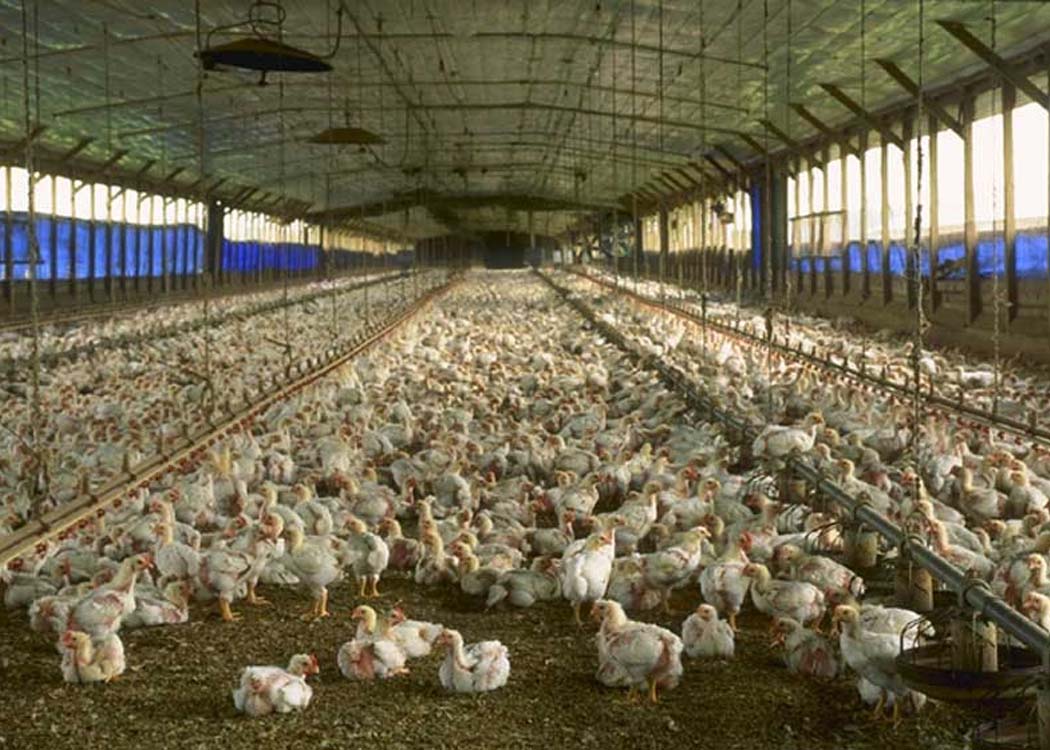
Soaring feed prices and choked trade lanes are heating up a worldwide poultry bottleneck — farmers, markets & consumers brace for turmoil
An escalating feed supply crisis in Asia has converged with a war‑induced breakdown of poultry logistics in the Middle East, threatening to send shockwaves through poultry markets worldwide. What once was a regional production challenge is rapidly becoming the biggest bottleneck in poultry economics globally — with feed shortages and spiraling costs leaving farmers reeling and consumers at risk of higher protein prices.
Asia’s feed price explosion: A brewing storm
Countries like India and Vietnam are witnessing record feed cost inflation — a result of tightening global supplies, policy restrictions around staples like soybeans, and rising input costs across the board.
- Feed prices have surged 30–50% in key Asian markets, squeezing poultry margins.
- Farmers face broken economics: high feed costs without equivalent increases in meat/egg prices.
- Calls for trade policy interventions — including soybean export controls — are growing louder as nations protect domestic producers.
Analysts say this isn’t a temporary blip — it’s a structural shock that could redefine cost curves and production viability across Asia’s largest producers.
Middle East supply chain disrupted by war
At the same time, conflict near the Persian Gulf has severely constricted access to critical import routes — especially via the Strait of Hormuz — a chokepoint for both feed imports and poultry product shipments into the Middle East.
Key impacts include:
- Blocked Persian Gulf routes disrupting feed supply and chicks from global suppliers.
- Heavy reliance on Brazil — the region’s largest poultry exporter — now hampered by diverted shipping lanes and regional instability.
- Local producers may benefit from higher domestic prices, but at the cost of production stability and animal welfare.
Even countries striving for self‑sufficiency, like Saudi Arabia, are still tethered to fractured supply lines, especially for feed and breeding stock.
Why this matters: Chicken is the world’s protein backbone
Across developing and developed markets alike, poultry accounts for the largest share of affordable animal protein — especially in Asia and the Middle East.
With global demand rising annually, even small shocks in feed supply or logistics ripple into:
✅ Higher consumer prices
✅ Production cutbacks
✅ Shifts in global trade patterns
✅ Greater dependency on government policy action
Experts warn this convergence — feed crunch + logistical instability — creates a perfect storm for long‑term inflation in protein markets.
Trade policy under the microscope
Governments are scrambling:
- Some are considering soybean export curbs to prioritize domestic feed needs.
- Others are pressured to relax import tariffs to keep supply lines open.
- Strategic grain reserves are being tapped in several Asian capitals for the first time in years.
But with global commodities tightening, experts warn that isolated policy responses may only shift shortages elsewhere — potentially igniting new trade tensions.
What’s next?
The poultry sector — from smallholder farmers to industrial processors — is at a crossroads:
🚨 Immediate volatility is likely through the next 6‑12 months.
🔍 Production costs remain elevated with limited signs of relief.
📈 Feed scarcity could drive consolidation as weaker players exit the market. Unless global supply chains are re‑stabilized and feed shortages alleviated, this under‑reported crisis could be the defining agricultural challenge of the decade.