

World Health Organization underscores need for strengthened surveillance, preparedness against avian influenza spillover
GENEVA: The World Health Organization (WHO) has reiterated that avian and other zoonotic influenza viruses continue to pose a significant public health concern worldwide, even as current strains have not demonstrated sustained human-to-human transmission. WHO emphasizes that direct or indirect contact with infected animals—particularly birds—remains the primary risk factor for human infection and calls for enhanced vigilance, surveillance, and preparedness to address these threats.
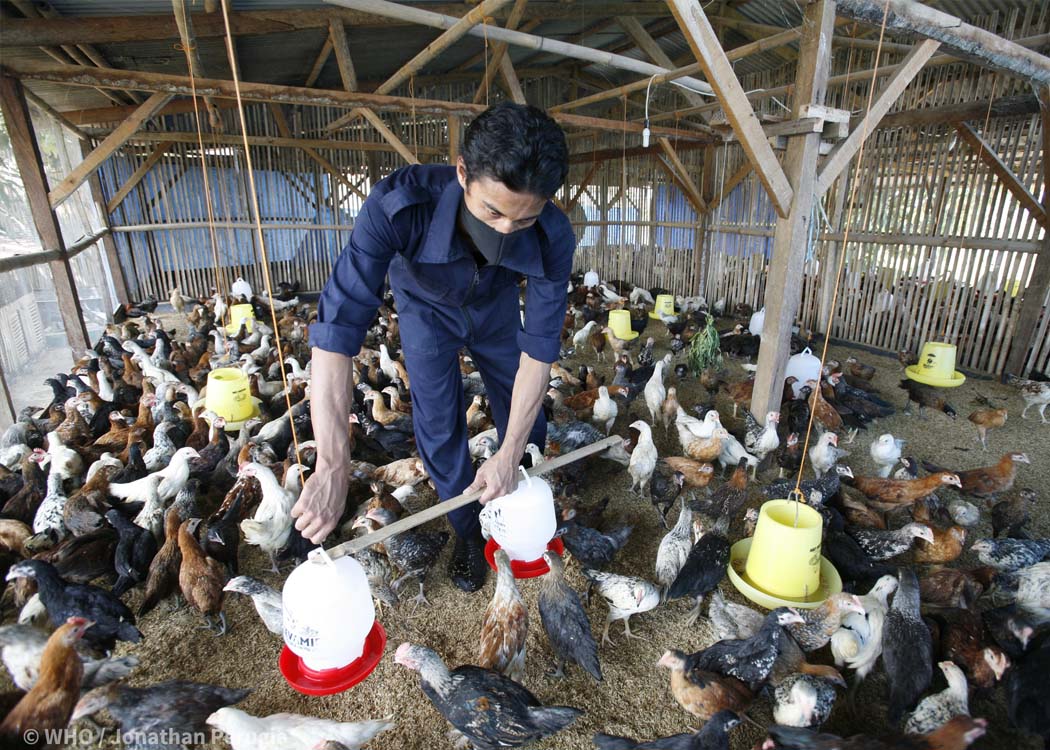
According to the latest WHO fact sheet on avian influenza, the most common source of human infection arises from exposure to live or dead infected poultry or contaminated environments such as live bird markets and environments where infected birds have recently been present. Handling carcasses of infected birds and preparing infected poultry for consumption, especially in household settings, are also recognized risk activities.
WHO’s ongoing risk assessments indicate that while sporadic human cases of influenza A viruses with zoonotic potential are expected when these viruses circulate in animal populations, sustained human-to-human transmission has not been observed with recently reported avian influenza viruses. As a result, the current risk of widespread human outbreaks remains low, although vigilance is critical in areas with active animal outbreaks.
Influenza viruses with zoonotic potential regularly circulate among birds and mammals, and global surveillance efforts show that outbreaks in animal populations can lead to sporadic human infections. WHO and partner organizations continue to track these viruses under the One Health approach, which integrates human, animal, and environmental health strategies to detect and mitigate disease spread at the human-animal interface.
Regional actions to enhance diagnostic and surveillance capacity are also underway. For example, laboratory technicians from 19 Latin American and Caribbean countries recently completed advanced training in molecular diagnostic techniques to identify avian influenza A(H5N1) and other zoonotic influenza viruses. This training, supported by WHO and partner agencies, aims to bolster early detection and response capabilities across the region.
Global partners such as the Pan American Health Organization (PAHO) and other international agencies emphasize that strong surveillance systems, biosecurity protocols in poultry operations, and rapid reporting of outbreaks are critical to minimizing spillover risks. High-risk groups—including poultry workers, veterinarians, and individuals working near infected animals or contaminated environments—should be prioritized for protective measures and monitoring. WHO continues to advise that properly cooked poultry products do not transmit avian influenza viruses and that public health efforts remain focused on reducing human exposures, enhancing laboratory and field detection, and maintaining robust influenza surveillance systems worldwide.