

Record-breaking cotton prices in Punjab spark hope for farmers but raise alarm over seed monopolies and policy pitfalls threatening long-term agricultural stability.
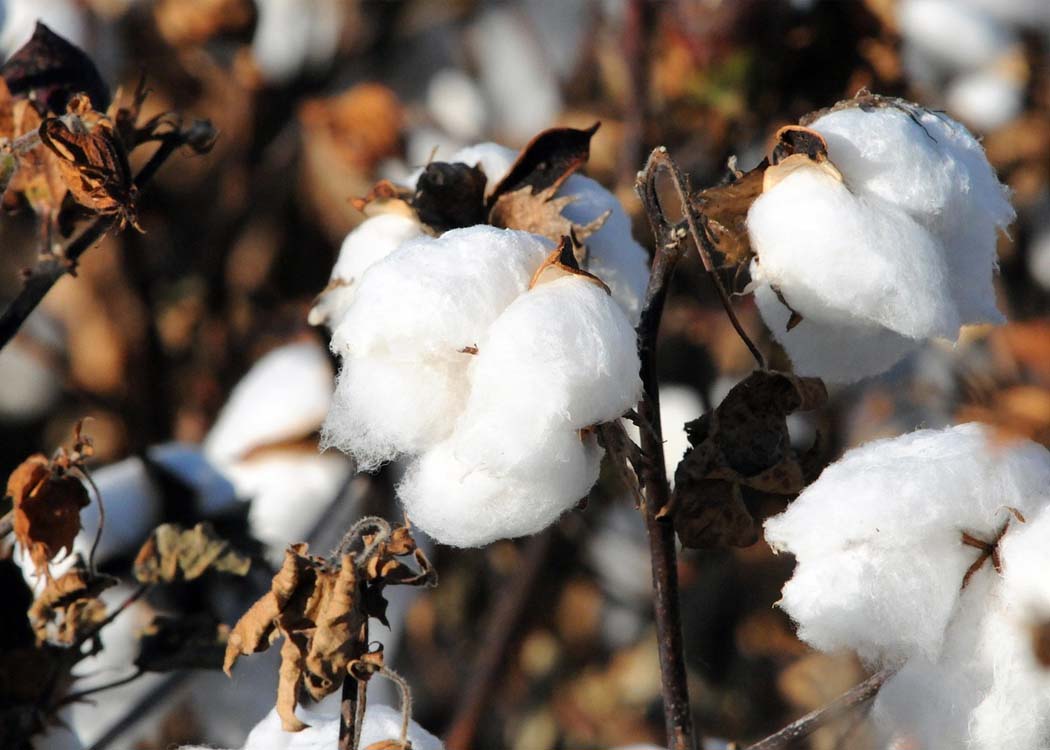
LAHORE: Pakistan’s cotton market is witnessing an unprecedented surge, with prices hitting a historic peak of Rs19,500 per maund, a sharp jump of Rs1,500 in just one week. Over the past fortnight, prices have climbed by a staggering Rs3,000, reflecting a perfect storm of regional instability and fluctuations in the global cotton market.
The recent surge is largely attributed to disruptions in international cotton supply, driven by the ongoing Gulf conflict, which has temporarily halted imports. Meanwhile, global cotton prices for May surged 3.20 percent to 69.46 cents per pound, putting additional pressure on the domestic market and straining the local supply chain.
The rise in cotton prices has also impacted Phutti (seed cotton), which has increased by Rs1,000 to Rs9,300 per 40 kg, with some deferred transactions for one month already reportedly reaching as high as Rs20,000 per maund.
Opportunities and challenges for farmers
While soaring prices could encourage farmers to expand cotton cultivation in the 2025-26 and 2026-27 seasons, several challenges persist. Unseasonal weather patterns—including sudden temperature drops and light rainfall across key cotton-growing regions—have delayed sowing activities. However, if these trends continue, a bumper cotton harvest could reduce Pakistan’s dependence on imported raw cotton and edible oils, positively impacting the nation’s foreign exchange reserves.
Concerns over seed policy could undermine growth
Despite optimism surrounding high cotton prices, a recent policy shift regarding seed “rights” has sparked concern within the agricultural community. Under this policy, exclusive rights for certified seed varieties of major crops, including cotton, wheat, and rice, will be granted to select companies or consortia.
Ihsanul Haq, Chairman of the Cotton Ginners Forum, warns that this approach could lead to monopolization, sidelining over 500 existing seed companies and limiting farmers’ access to high-quality certified seeds. He cautions that a restricted seed supply may force farmers to rely on unverified, low-yield seeds, which could threaten national crop output and overall agricultural stability.
Proposed alternative: Volume-based royalty model
To mitigate risks and safeguard long-term growth, the Cotton Ginners Forum recommends replacing exclusive rights with a volume-based royalty system. Under this model, any seed company would be allowed to produce and sell government-approved varieties, paying a fixed fee per tonne to relevant authorities.
This approach, the forum argues, would ensure wide availability of high-quality seeds, enhance per-acre yields, and enable farmers to fully capitalize on the current market boom. If implemented effectively, it could transform Pakistan’s cotton sector into a self-sufficient, export-ready industry, driving both economic growth and agricultural resilience.
Outlook
With global demand for cotton remaining high and domestic prices reaching unprecedented levels, Pakistan’s cotton sector stands at a crossroads. While market conditions offer tremendous opportunity, the government’s policies on seed distribution and regulation will play a decisive role in determining whether this price surge translates into sustainable growth or leaves farmers vulnerable to monopolistic practices.