

Experts urge urgent improvements in storage, processing, and supply chain management to prevent food waste and boost farmer incomes.
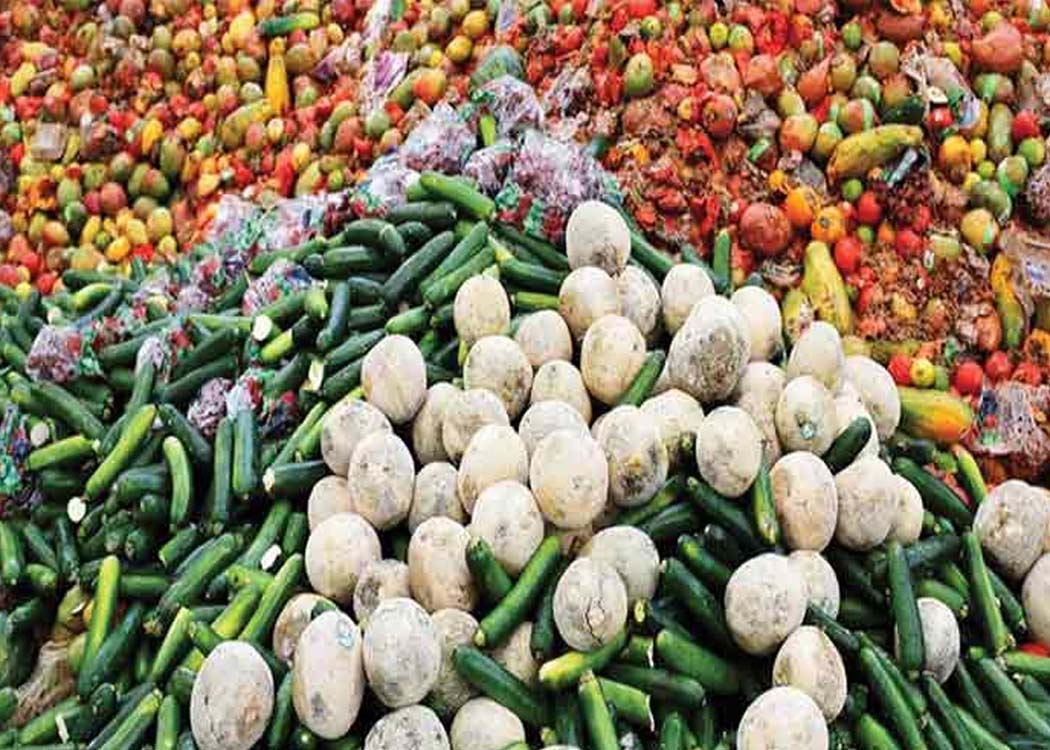
LAHORE: In Pakistan, a surplus harvest of vegetables and other crops is turning into a missed opportunity as weak storage systems and underdeveloped supply chains lead to widespread food wastage. Despite bumper harvests, the lack of adequate storage infrastructure and efficient logistics means that vast quantities of fresh produce are left to rot, wasting the hard-earned efforts of farmers and costing the economy millions annually.
The impact of poor storage on farmers and food security
Farmers, particularly in rural regions, are feeling the brunt of the crisis. While many are celebrating abundant harvests, their optimism is short-lived due to a lack of proper facilities to store their crops for future use or transportation. This gap in the system means that hundreds of tons of fruits, vegetables, and other produce are either discarded or sold at a loss, pushing many farmers further into poverty.
“Every year, we see surplus crops getting wasted due to poor storage facilities. This is not just a financial loss for farmers, but it also affects the entire food security system,” says Dr. Zafar Iqbal, an agricultural economist.
Weak supply chains hinder market access
Beyond storage, the issue extends to Pakistan’s underdeveloped supply chain networks. The country’s logistical infrastructure remains outdated, with limited cold storage facilities and transportation options for perishable goods. This results in inefficiencies, with crops losing freshness before they even reach local markets, let alone international buyers.
The call for immediate solutions
Agriculture experts and farmer leaders are urging the government and private sectors to focus on modernising storage systems, investing in cold chain logistics, and introducing policies that can support local processing of produce. Improving the value chain would help create job opportunities, boost exports, and ensure that farmers are compensated fairly for their hard work.
“Investing in better infrastructure will not only prevent wastage but will directly benefit Pakistan’s agricultural sector by increasing the incomes of farmers, stabilising prices, and ensuring a steady food supply for the country,” says Sajid Hussain, a leading agribusiness consultant.
Key recommendations from experts
- Upgraded storage facilities: The government must encourage investments in large-scale storage facilities across the country to support both farmers and the food industry.
- Cold chain development: Introducing refrigerated transport and storage units for perishable items like fruits, vegetables, and dairy can help preserve produce and reduce wastage significantly.
- Incentives for value addition: By incentivising processing industries, Pakistan can add value to its agricultural products, increasing their shelf life and creating new revenue streams for farmers.
Conclusion: Pakistan’s agricultural sector has the potential to be a major driver of economic growth, but only if the country can overcome the systemic issues in food storage and supply chain management. With proper planning and infrastructure investment, Pakistan could see a future where surplus harvests don’t go to waste, benefiting both the farmers and the nation as a whole.