

Tax burden on poultry producers threatens chicken supply in Pakistan, with industry leaders warning of potential scarcity in the coming months.
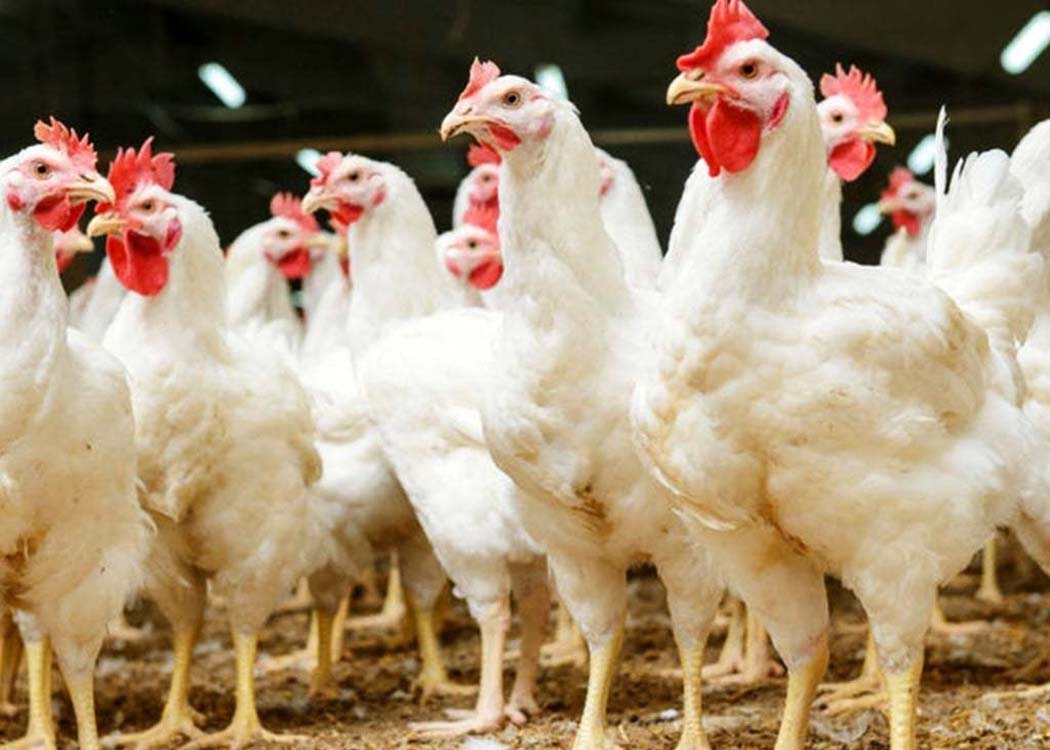
ISLAMABAD: The poultry industry in Pakistan is sounding the alarm over a looming chicken shortage that could disrupt markets in the next two months. Industry representatives are attributing the impending crisis to a severe tax burden, with taxation on poultry products escalating to around 65%, which is pushing producers to the brink of collapse.
Asif Gondal, the General Secretary of the Broiler Farms Association, stated that the industry’s sustainability is being severely compromised due to the rising tax rates on poultry, which are becoming increasingly unsustainable for farmers. He revealed that although the cost of a chick is sometimes as low as Rs 20, producers are now paying up to Rs 10 in taxes per chick, further straining their operations.
“The situation is already difficult, but if these taxes are not rolled back, we could see chicken almost disappear from the market,” Gondal warned, emphasizing that the poultry sector is facing a crisis unlike anything seen before. He stressed that the ongoing tax policy is placing producers in a dire position, unable to cope with the increased financial strain.
According to Gondal, the tax burden has exacerbated the existing issue of supply shortages, with domestic production levels struggling to meet demand. Pakistan, which once exported poultry products to neighboring countries, is now grappling with growing shortages within its own borders. The crisis mirrors the decline in domestic production that occurred after the sales tax was introduced in 2014, which had previously been exempt.
Highlighting the impact on consumers, Gondal pointed out that the government’s official price lists for chicken are not reflective of market realities, with consumers often unable to purchase chicken at the officially fixed rates. This disparity has further exacerbated the problem, leading to inflationary pressures and market dissatisfaction.
In light of the crisis, the Broiler Farms Association has called for immediate government intervention, urging the formation of a committee to engage with farmers and assess the taxation policies affecting poultry production. Gondal made it clear that if the demands of the farmers are not addressed, the situation could escalate, with protests and potential poultry farm shutdowns as a last resort.
He also criticized the government’s approach to food subsidies, pointing out that globally, essential food items such as chicken are subsidized, whereas in Pakistan, they are subjected to heavy taxation. This, Gondal argues, is hindering the growth of the poultry industry and preventing farmers from meeting both local demand and the potential to export again. As the industry faces the growing possibility of chicken shortages, the call for policy review and tax relief has never been more urgent. The poultry sector, which plays a crucial role in Pakistan’s food supply, is in a critical position, and industry stakeholders are urging swift action to prevent a further collapse of the market.