

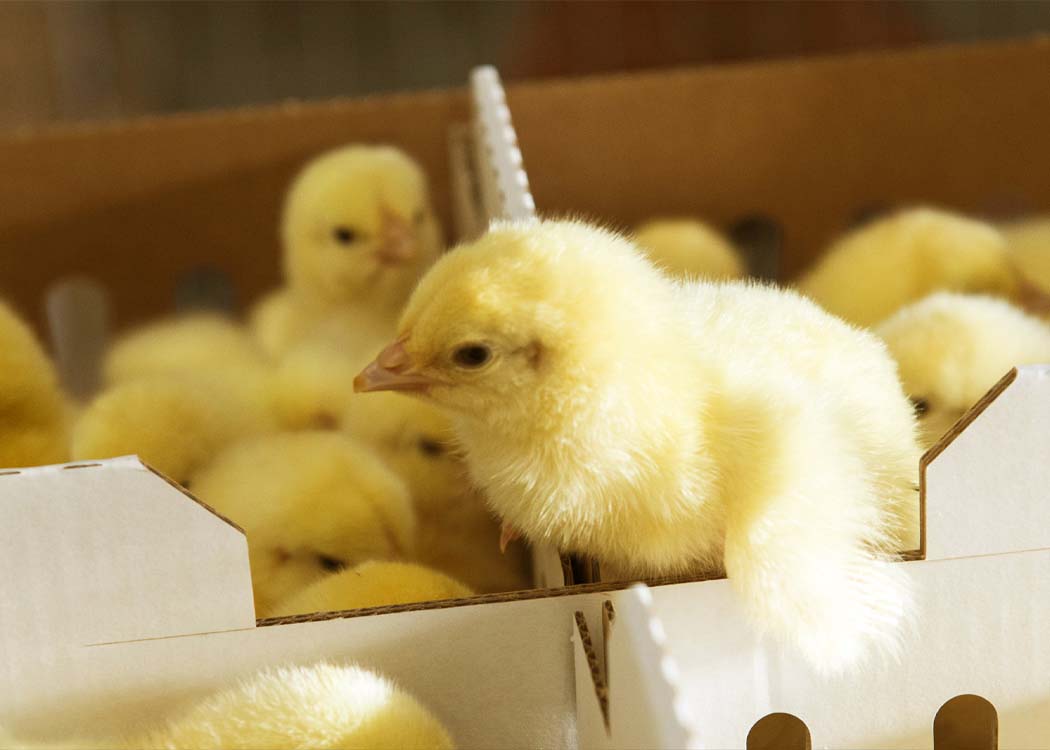
Poultry body says tax at start of production cycle will raise chicken prices, hurt farmers, and reduce affordable protein supply
LAHORE: The Pakistan Poultry Association (PPA) has strongly urged the federal government to withdraw the recently maintained Federal Excise Duty (FED) of Rs10 on day-old chicks, warning that the decision could destabilize the poultry industry and pose serious risks to national food security.
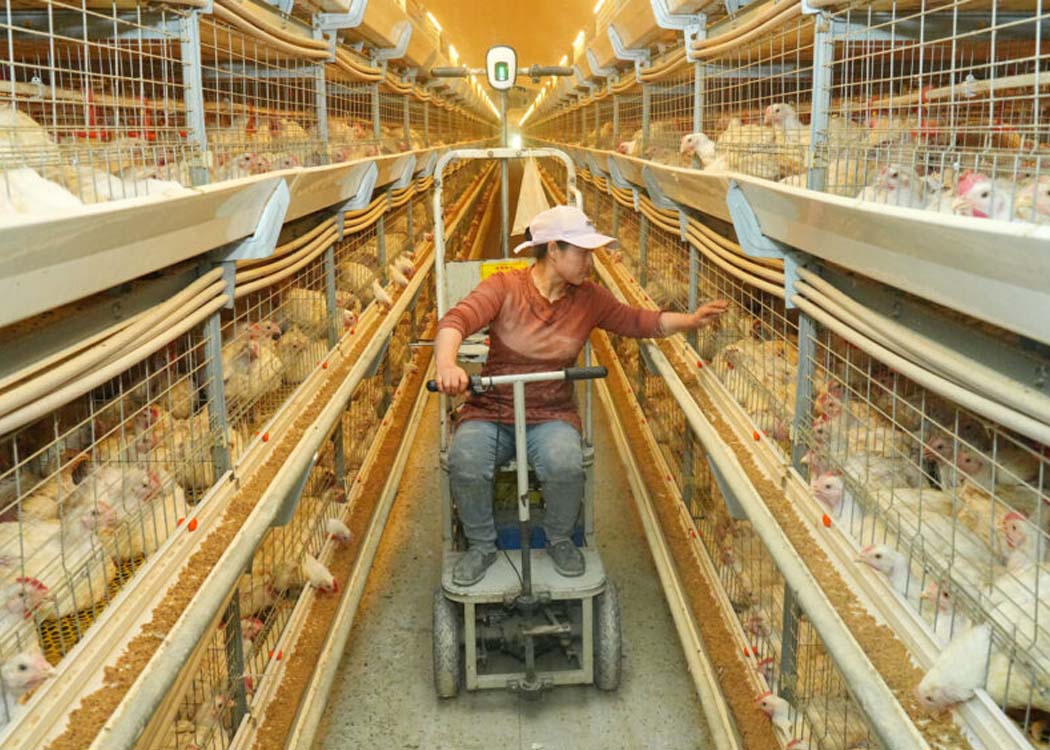
Speaking to the media, former PPA Chairman Abdul Basit, along with office bearers of the association, said the tax has been imposed at the most critical stage of the poultry production cycle, significantly increasing costs for breeders and hatcheries. As a result, many producers are being forced to sell fertile eggs as table eggs instead of incubating them, directly reducing chick placement across the country.
Industry experts caution that due to the biological nature of poultry production, the impact of this decision will not be immediate but will become visible within six to eight weeks. A reduced supply of chicks is expected to translate into a shortage of chicken meat, pushing up retail prices and restricting access to one of Pakistan’s most affordable sources of animal protein, especially for low-income households.
Punjab, which serves as the backbone of Pakistan’s poultry sector, is likely to bear the brunt of the policy. The PPA warned that small and medium poultry farms may find it increasingly difficult to operate under the additional tax burden, leading to farm closures, job losses, and declining rural incomes.
Abdul Basit described the Rs10 levy on each day-old chick as a regressive and legally questionable tax, stressing that Excise Duty cannot be imposed on live animals under Pakistan’s existing legal framework. “This is not merely a tax on poultry farmers,” he said. “It directly affects the food plate of every Pakistani who depends on chicken as an affordable source of protein. Imposing a Rs10 FED on a chick reflects a lack of understanding of how the poultry industry functions.”
PPA officials further pointed out that the sector is already under immense pressure due to soaring electricity tariffs and rising feed costs, exacerbated by restrictions on soybean imports. They warned that continuing the FED could reduce chick production, disrupt supply chains, and undermine the stability of an industry that plays a vital role in ensuring food affordability and nutrition across the country. Reiterating its demand, the Pakistan Poultry Association called on the government to immediately remove the Rs10 FED on day-old chicks. The association stressed that withdrawing the tax is essential to protect poultry farmers, prevent a spike in chicken prices, preserve employment, and safeguard Pakistan’s food security at a time when inflation is already straining household budgets.