


Global experts stress that safeguarding livestock—including poultry and chicken production—is essential to preventing future health crises and securing food systems
PARIS: At the recent One Health Summit in France, a clear and increasingly urgent message emerged: the health of livestock—particularly poultry—is central to the future of global health security.
The discussions reinforced a reality that has been building over the past decade. Most emerging infectious diseases affecting humans originate in animals, and within that ecosystem, livestock systems serve as the earliest point of contact. Poultry, especially chicken production, occupies a particularly sensitive position. Its scale, density, and integration into daily food supply chains make it both indispensable and exposed.
What stood out at the summit was not just the recognition of this risk, but the shift in tone. Livestock health is no longer being treated as a secondary agricultural issue. It is now being framed as a frontline defense—one that determines whether a disease is contained early or allowed to spread beyond control.
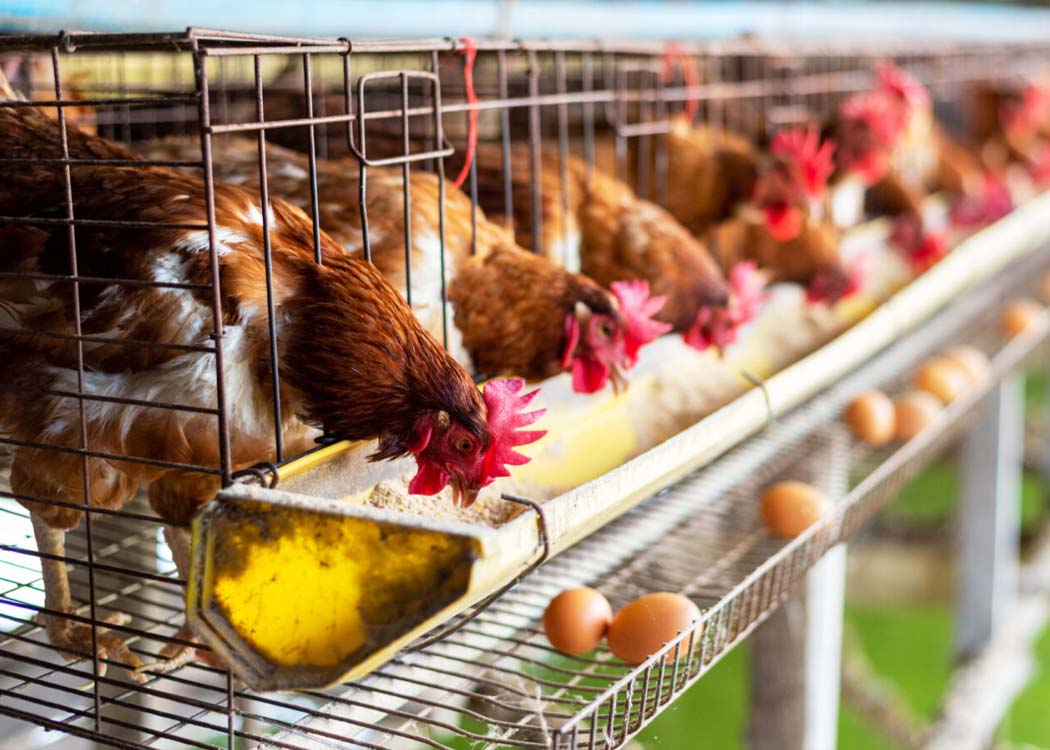
Poultry systems drew specific attention. Their rapid production cycles and high-density environments create conditions where disease can spread quickly if oversight is weak. Experts noted that modern poultry farming, when supported by strong veterinary systems and biosecurity protocols, is safe and efficient. The concern arises when expansion outpaces regulation, leaving gaps in monitoring and response.
The issue of antimicrobial resistance added further urgency to the conversation. The use of antibiotics in livestock and poultry production has long supported animal health and productivity. However, without careful regulation, it contributes to a gradual but serious global threat. Resistant pathogens do not remain confined to farms; they move across systems, affecting both animals and humans. In this context, veterinary oversight becomes not just a matter of farm management, but a pillar of public health.
Another recurring theme was the imbalance between regions. While some countries have developed advanced livestock surveillance systems capable of detecting and responding to threats in real time, others continue to rely on fragmented and reactive approaches. This disparity creates vulnerabilities that extend beyond national borders. A disease that emerges undetected in one region can quickly become a global concern.
The summit also highlighted the structural gaps within livestock and poultry health systems. In many parts of the world, veterinary services remain under-resourced, diagnostic capacity is limited, and traceability across supply chains is incomplete. These are not minor inefficiencies; they are systemic weaknesses that reduce the ability to prevent and contain outbreaks at their source.
Despite these challenges, the tone of the summit was not pessimistic. There was a strong sense that the tools and knowledge required to strengthen livestock and poultry health systems already exist. What remains uncertain is the level of commitment needed to implement them consistently and at scale.
The One Health framework, as discussed in France, places livestock and poultry at the center of a broader, interconnected system linking animal health, human health, and the environment. The implication is straightforward but significant: global health outcomes will increasingly depend on decisions made within livestock and poultry systems. In that sense, the summit did not introduce a new idea—it reinforced an existing one with greater clarity and urgency. The question now is not whether livestock and poultry health should be prioritized, but whether it will be treated with the level of seriousness required to prevent the next crisis.