

With procurement starting across Punjab, officials aim to support farmers while Pakistan’s wheat production is projected at over 28 million tonnes this season amid ongoing stock and supply management concerns.
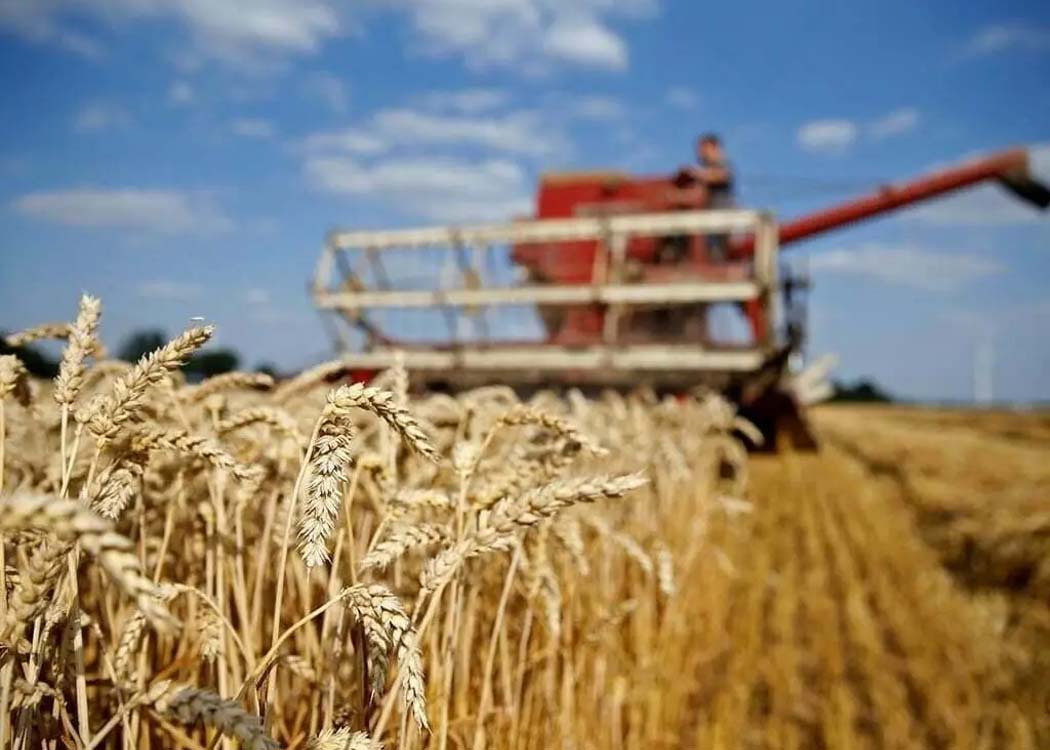
LAHORE: The Punjab government has formally launched wheat procurement at an official rate of Rs3,500 per maund, marking a major intervention in the province’s agricultural support framework aimed at stabilizing farmer incomes and strengthening national food security.
Chief Minister Maryam Nawaz announced the immediate start of procurement operations and the distribution of free gunny bags worth Rs6 billion to farmers across Punjab. Under the plan, registered farmers will receive 10 gunny bags per acre through designated procurement centres.
The initiative prioritizes farmers registered under the Kissan Card programme, with authorities instructed to ensure that wheat is purchased without delay and payments are completed within 72 hours of procurement.
To streamline operations, the government will establish strategic management committees at provincial and divisional levels to monitor procurement, stock handling, and distribution processes.
Officials also highlighted growing confidence in the agricultural reforms, stating that around 88% of farmers have reportedly expressed trust in the provincial government’s support measures.
Alongside procurement, the chief minister also announced the launch of a “Work with Punjab Government” internship programme, aimed at engaging agriculture graduates in field-level governance and agricultural management systems.
Wheat production outlook in Pakistan
Pakistan’s wheat sector remains the backbone of national food security, with combined annual demand and supply dynamics closely watched due to population pressure and climate variability.
Punjab
Punjab, contributing the majority share, is expected to produce approximately 19 to 20 million tonnes of wheat in the current season under normal cropping conditions. The province remains the single largest contributor to Pakistan’s wheat output, typically accounting for over 70% of national production.
Sindh
Sindh’s wheat production is estimated at around 4.5 to 5.5 million tonnes, depending on irrigation availability, input costs, and seasonal weather conditions.
Pakistan overall
National wheat production is projected to range between 27.5 to 29 million tonnes this season, subject to final harvest assessments and post-harvest losses.
Carryover stocks and supply situation
Pakistan’s wheat supply position is being supported by carryover stocks estimated at around 1.5 to 2.5 million tonnes, carried from previous procurement cycles and strategic reserves.
While this provides a short-term buffer, experts continue to caution that demand-supply balance remains sensitive, particularly due to:
- rising population demand
- climate-related yield variability
- storage and post-harvest losses
- import-export policy adjustments
Food policy analysts note that Pakistan typically requires around 30–32 million tonnes annually to maintain stability in domestic consumption and price control.
Outlook
The current procurement drive in Punjab is seen as a critical step in stabilizing farm-level returns and encouraging continued wheat cultivation, while also helping the government secure strategic reserves ahead of the next consumption cycle. However, agriculture experts emphasize that long-term stability will depend on improved yield efficiency, climate resilience, and modernized storage infrastructure, rather than procurement interventions alone.