


New livestock initiative improves milk yield, cuts feed costs, and strengthens rural veterinary services across Peshawar and Khyber districts
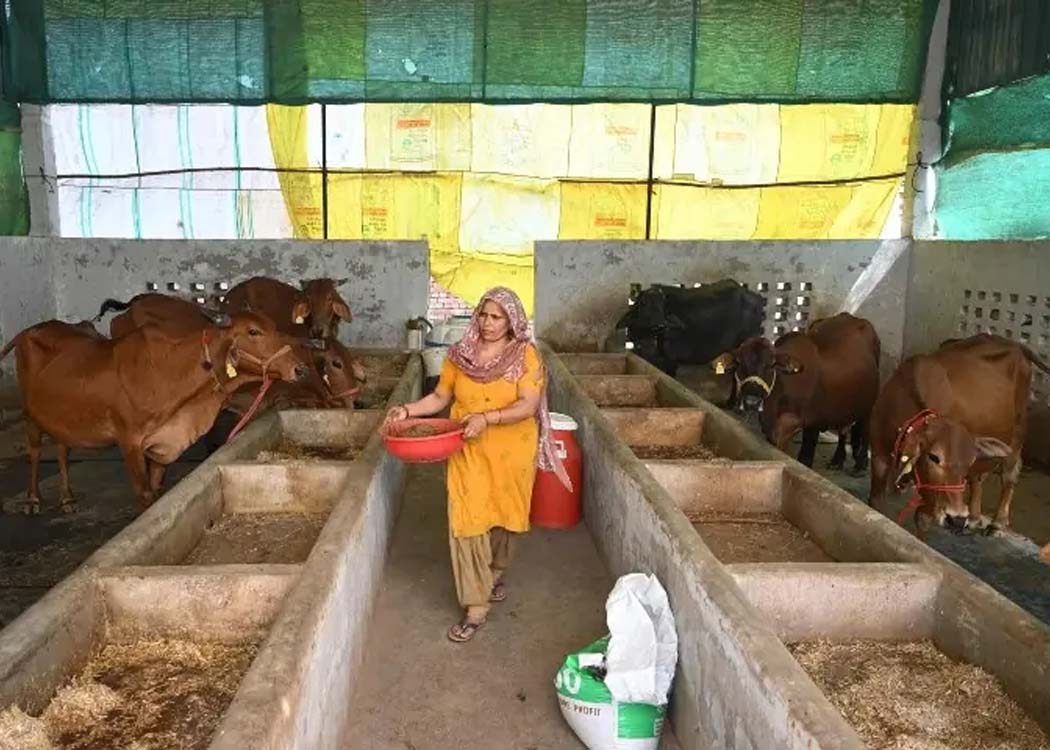
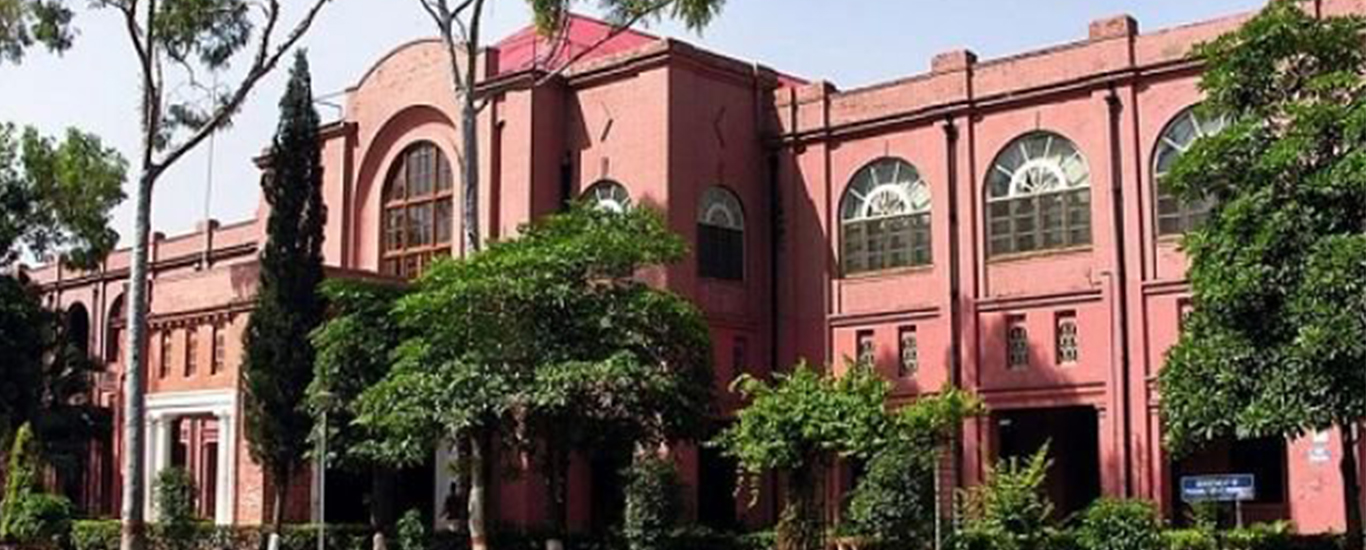
PESHAWAR: A major livestock development initiative led by the University of Agriculture Peshawar (AUP) in collaboration with SABAWON is beginning to reshape dairy farming in Khyber Pakhtunkhwa, with early results showing higher milk production, improved animal health, and reduced feed costs for small farmers.
The project is designed to address long-standing gaps in veterinary services, livestock management skills, and fodder availability—issues that have long limited dairy productivity in the region.
Strengthening veterinary services at grassroots level
Under the leadership of Professor Dr Nazir Ahmed Khan (AUP) and Dr Owais Akhundzada (SABAWON), veterinary stations in Peshawar and Khyber districts have been upgraded with improved infrastructure and modern livestock support tools.
The initiative introduced artificial insemination (AI) kits, vaccines, and cold chain systems to improve breeding and disease control. Operational expenses have also been formally integrated into the institutional budget through a memorandum of understanding, ensuring sustainability of services.
Community livestock workforce activated
A key feature of the project is the training of 24 community livestock extension workers under the Animal Husbandry Inservice Training Institutes (AHITI). These trained workers are now providing essential services at village level, including vaccination, deworming, and first aid for livestock.
This community-based model is helping bridge the gap between farmers and formal veterinary systems, especially in remote rural areas.
Training farmers and improving dairy productivity
So far, around 300 farmers have been trained in modern animal husbandry practices, feeding techniques, and dairy processing. Additionally, 200 farmers received equipment kits to support improved farm management.
The project also introduced fodder innovations using lucerne and ryegrass. Trials showed a significant increase in productivity, including an average rise of 2.4 liters of milk per cow per day when lucerne-maize silage was used.
In another breakthrough, calf weight gain improved by 318 grams per day under ryegrass silage feeding systems.
Collective farming and improved milk marketing
Ten farmer groups have now shifted to collective milk marketing using solar-powered refrigeration systems, improving storage and reducing post-harvest losses.
Meanwhile, 20 vaccination and AI campaigns have collectively reached nearly 1,200 farmers, significantly improving livestock health coverage in targeted areas.
Farmers also reported that, for the first time in years, livestock maintained stable body weight during winter months—an indicator of improved nutrition and management.
Potential impact on regional fodder shortage
Experts associated with the project believe that if scaled across the Peshawar Valley, the intervention could reduce fodder shortages by 70 to 80 percent, marking a major shift in livestock sustainability and dairy productivity in the region. The project is being viewed as a model for integrating research, community training, and practical livestock solutions to strengthen Pakistan’s dairy sector.