

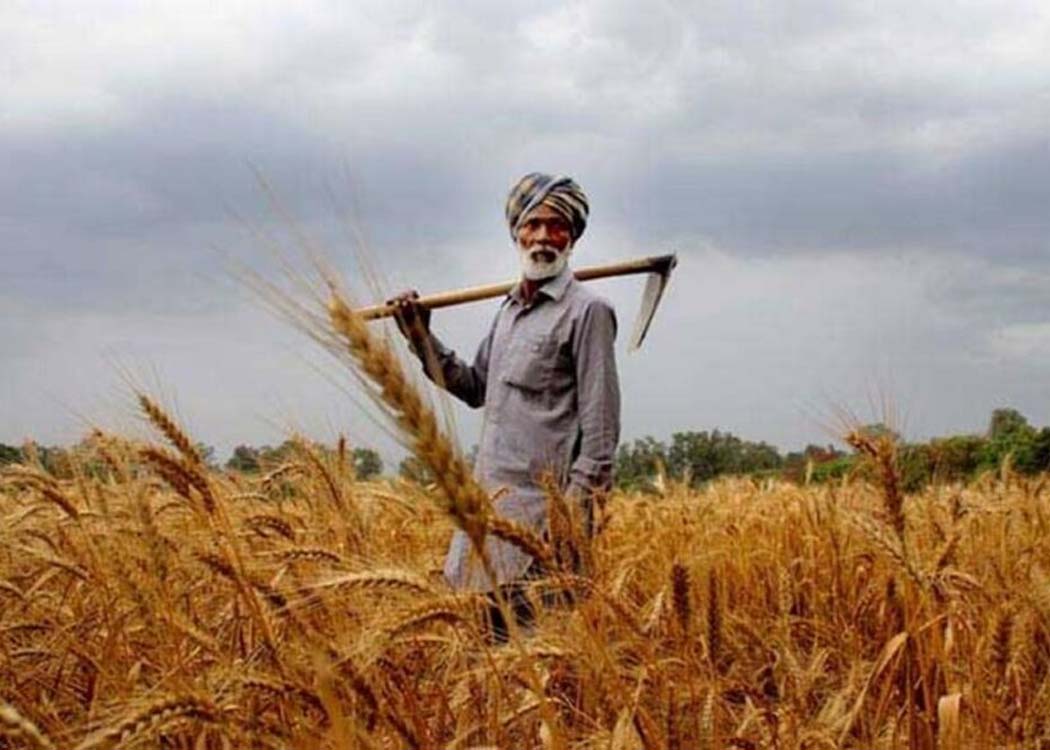
Strong wheat and potato production offer relief, but declines in gram and other crops highlight growing challenges for Pakistan’s agricultural economy ahead of the Kharif season
ISLAMABAD: Pakistan’s agriculture sector has delivered a mixed performance during the current crop cycle, with wheat production showing resilience despite broader challenges facing the country’s farming economy, according to the latest agricultural outlook and crop assessment reports released during May 2026.
The latest estimates indicate that Pakistan’s wheat output has reached approximately 29.3 million tonnes, providing important support to national food security and helping stabilize domestic grain availability at a time of persistent economic pressures and climate-related agricultural concerns.
However, the broader agricultural picture remains uneven, with varying performances across key crops including gram, potato, and upcoming Kharif season commodities, raising concerns among policymakers, economists, and farming communities about the long-term sustainability of agricultural growth.
Wheat production offers crucial relief
Wheat remains Pakistan’s most strategically important staple crop and a central pillar of the country’s food security system.
The reported production level of 29.3 million tonnes is being viewed by agricultural analysts as a relatively encouraging outcome considering ongoing pressures from:
- Water availability concerns
- Rising fertilizer and input costs
- Climate variability
- Energy price fluctuations
- Financial constraints faced by farmers
Agriculture experts say stable wheat production is particularly critical for Pakistan because wheat directly impacts food inflation, flour prices, import requirements, and overall economic stability.
The harvest also comes at a time when global grain markets continue experiencing uncertainty due to geopolitical tensions, changing weather patterns, and supply chain disruptions affecting food-importing countries worldwide.
Potato production records improvement
The latest agricultural outlook also highlighted stronger potato production figures, reflecting improved cultivation trends and relatively favorable growing conditions in several agricultural regions.
Potato farming has increasingly become an important component of Pakistan’s agricultural economy due to rising domestic consumption, export opportunities, and growing demand from food processing industries.
Industry experts note that stronger potato output may help support rural incomes and stabilize vegetable market prices in the coming months.
Pakistan’s potato sector has witnessed steady modernization in recent years through improved seed varieties, mechanization, cold storage expansion, and export-oriented production strategies.
Gram crop faces production pressure
In contrast, gram production reportedly experienced downward pressure, adding to concerns over pulse availability and food affordability.
Agricultural specialists attribute the decline to multiple factors including unfavorable weather conditions, water shortages in certain cultivation areas, changing cropping patterns, and increased production costs.
Pulses such as gram remain essential for Pakistan’s food basket because they serve as a major source of affordable protein for millions of households.
Reduced domestic pulse production can increase reliance on imports and place additional pressure on food inflation already affecting consumers nationwide.
Kharif season targets under focus
With the Rabi crop season nearing completion, policymakers and agricultural planners are now shifting attention toward Kharif crop targets for 2026.
The upcoming Kharif season will be crucial for major crops including:
- Cotton
- Rice
- Sugarcane
- Maize
Agricultural authorities are expected to prioritize water management, seed availability, fertilizer supply, and climate adaptation measures to improve productivity and minimize production risks.
Economists warn that the success or failure of the upcoming Kharif season could significantly influence Pakistan’s inflation outlook, export performance, and rural economic activity over the next year.
Agriculture remains backbone of Pakistan’s economy
Despite structural challenges, agriculture continues to play a central role in Pakistan’s economy.
The sector contributes significantly to:
- National GDP
- Rural employment
- Food supply chains
- Export earnings
- Livelihoods of millions of farming households
However, experts increasingly warn that Pakistan’s agriculture sector faces mounting long-term pressures linked to climate change, water scarcity, outdated farming practices, land degradation, and limited technological adoption.
Extreme weather events, irregular rainfall patterns, heatwaves, and rising input costs are reshaping agricultural productivity across many regions of the country.
Growing calls for agricultural reforms
Agricultural economists and policy specialists say Pakistan now requires more aggressive reforms to strengthen long-term food security and farming sustainability.
Key recommendations frequently highlighted by experts include:
- Investment in climate-smart agriculture
- Modern irrigation systems
- Improved seed technologies
- Better access to agricultural financing
- Expanded farmer training programs
- Stronger crop insurance mechanisms
- Modernized supply chains and storage infrastructure
Experts argue that boosting agricultural resilience will become increasingly important as Pakistan’s population grows and food demand continues rising.
Food security concerns remain central
The latest crop outlook underscores the delicate balance Pakistan faces between maintaining stable food production and managing broader economic and environmental risks.
While stronger wheat and potato production offer short-term relief, agricultural planners remain cautious about future crop cycles due to volatile weather conditions and ongoing structural weaknesses within the sector. Analysts say ensuring consistent agricultural growth will be critical not only for food availability but also for inflation control, poverty reduction, export competitiveness, and overall economic stability in the years ahead.