

Maryam Nawaz-led Punjab cabinet approves major land allocation initiative for Cholistan and riverine communities alongside new agriculture, transport, healthcare and clean energy measures
LAHORE: In one of Punjab’s most ambitious rural empowerment initiatives in recent years, the provincial cabinet has approved the launch of the “Apna Khet, Apna Rozgar” (AKAR) scheme aimed at providing agricultural land opportunities to residents of Cholistan and riverine Katcha areas under easy and affordable terms.
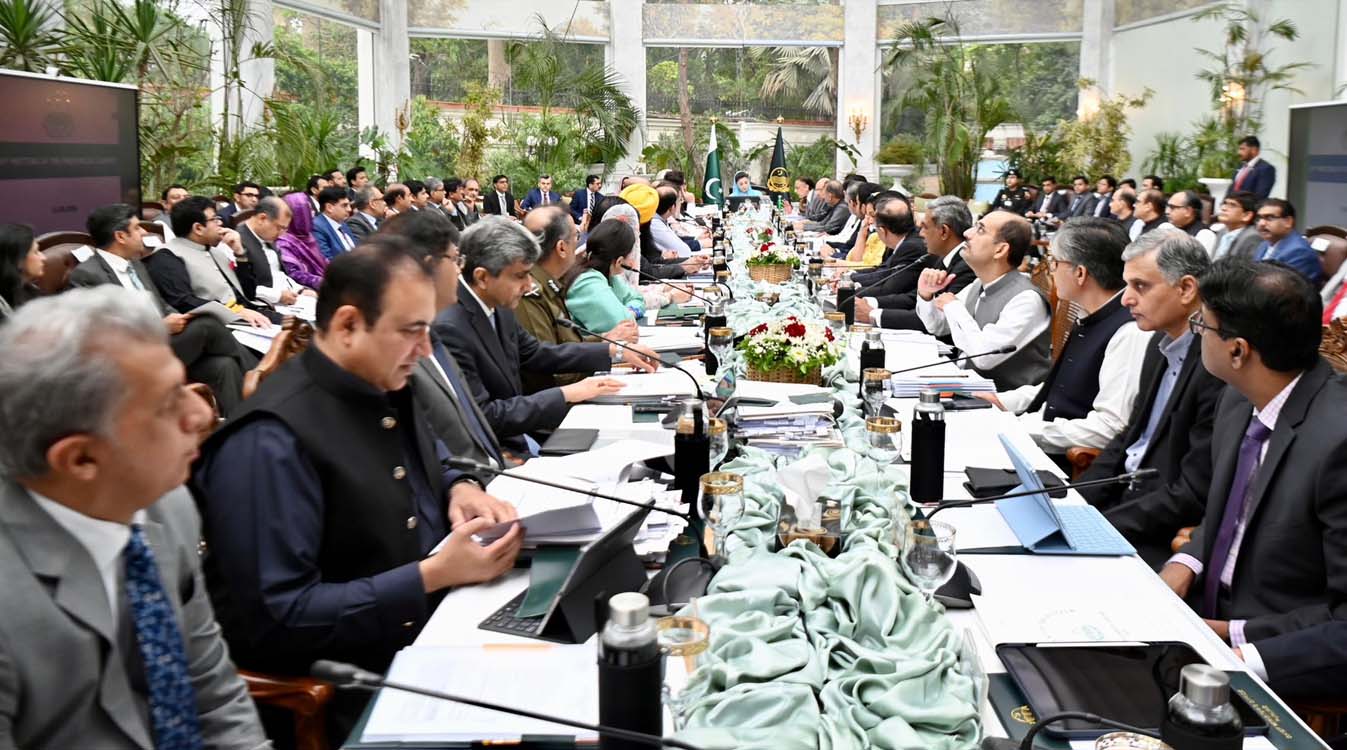
The decision was taken during the 34th provincial cabinet meeting chaired by Maryam Nawaz in Lahore, where multiple development, agriculture, healthcare, transport and public welfare projects were also cleared.
Officials informed the cabinet that nearly 30,000 plots have already been identified for the scheme, while around 200,000 families have submitted applications, highlighting massive public interest in the initiative.
Punjab targets rural livelihoods through farmland access
The “Apna Khet, Apna Rozgar” programme is being seen as a major step toward improving livelihoods in some of Punjab’s most economically vulnerable regions, particularly Cholistan and riverine belts where land ownership and employment opportunities remain limited.
Chief Minister Maryam Nawaz directed authorities to ensure strict digital monitoring of the scheme and instructed that all information related to applications, eligibility and allocation should be made accessible to citizens through a transparent one-click system.
Policy experts say the initiative could help strengthen rural economies, boost agricultural productivity and improve financial stability for thousands of families if implemented transparently and efficiently.
Cabinet approves agriculture, aquaculture and climate-related initiatives
Alongside the farmland scheme, the Punjab cabinet approved the establishment of the Aquaculture Authority of Punjab and authorized the transfer of forest land for shrimp estate development, signaling the government’s growing focus on fisheries and alternative agriculture sectors.
The cabinet also approved pilot projects for groundwater recharge through borehole systems on agricultural land, a move linked to growing concerns over water scarcity and climate stress in Punjab’s farming regions.
Agriculture analysts believe these projects reflect increasing provincial attention toward sustainable farming, water management and diversification of agricultural income sources.
New healthcare and transport reforms announced
The cabinet approved the launch of the Chief Minister Stroke Management Programme aimed at improving emergency healthcare response and stroke treatment services across Punjab.
Officials also approved the restructuring and expansion of the Provincial Disaster Management Authority (PDMA), establishment of a Provincial Traffic Management and Command Centre, and implementation of an axle load management system across Punjab to improve road safety and logistics monitoring.
In a public relief measure, the cabinet abolished motorcycle transfer fees for bikes up to 150cc and approved targeted fuel subsidies for motorcycle riders and Kisan Card holders amid rising transportation and fuel costs.
Major infrastructure and education projects move forward
The cabinet approved the expansion of the Quaid-i-Azam Business Park by an additional 200 acres to support industrial growth and investment.
It also upgraded the UET sub-campus in Narowal into a full-fledged engineering university and approved additional development projects worth Rs500 million for Sheikhupura district under the Annual Development Programme.
Meanwhile, the Bank of Punjab was designated as the financial agent for the province’s Clean Air Programme, while the cabinet also approved Punjab’s New Energy Vehicle (NEV) Policy as part of broader environmental and transport reforms.
Cabinet clears wide-ranging governance and public welfare decisions
Several governance-related measures were also approved during the meeting, including:
- Additional sessions courts in Hazro and Kot Chhutta
- Increased funding for the Minority Card programme
- Recruitment of teaching staff through special selection committees
- Lifting recruitment bans in multiple departments
- Waste-to-energy projects on leased government land
- Annual grants for maintenance of over 5,000 water filtration plants
- Expansion of service roads from Gulshan Ravi to Babu Sabu
- Punjab Film City Authority Ordinance 2026
The cabinet also approved collaboration initiatives aimed at strengthening relations between Punjab and Zhejiang province of China. Officials say the latest decisions reflect the Punjab government’s broader focus on rural development, social welfare, infrastructure expansion, environmental sustainability and economic modernization.