

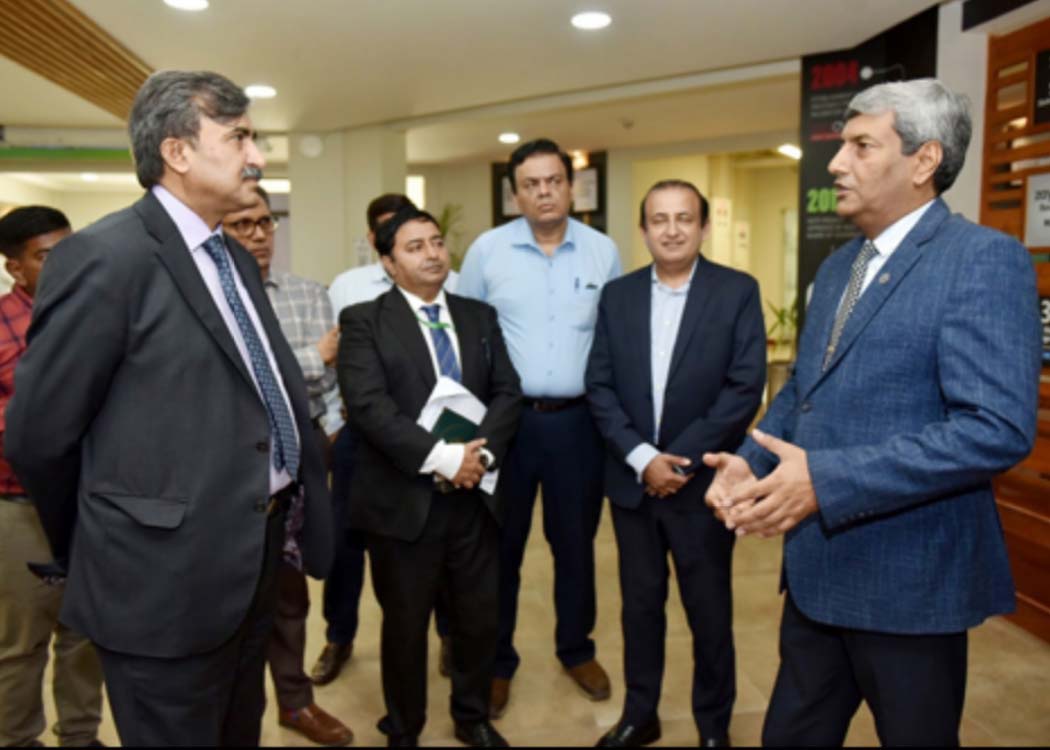
A University of Agriculture Faisalabad delegation visited STZA, NUST, NASTP, NRTC and Pak-Austria Fachhochschule Institute to strengthen collaboration on research commercialization, technology transfer, startup development and innovation-led agriculture.
FAISALABAD: In a significant move to strengthen Pakistan’s innovation ecosystem and accelerate research commercialization in agriculture, the University of Agriculture Faisalabad (UAF) has initiated a series of strategic engagements with leading national technology and innovation institutions aimed at expanding collaboration in agritech, startup development, artificial intelligence, technology transfer and industry-academia partnerships.
A high-level UAF delegation, led by Vice Chancellor Prof Dr Zulfiqar Ali, undertook a two-day visit to major innovation and technology organisations in Islamabad and Haripur to explore opportunities for joint research, commercialization of university innovations and development of a stronger national innovation network.
The delegation included Director Office of Research, Innovation and Commercialization (ORIC) Dr Sultan Habibullah Khan, Executive Director Endowment Funds Secretariat Dr Babar Shahbaz, Director Business Incubation Center Dr Hammad Badar, Director Planning and Development Irfan Abbas, Director Farms Dr Muhammad Aslam, Dr Muhammad Naveed from the Institute of Soil and Environmental Sciences, and Deputy Treasurer Asim Raheel.
The visit began at the headquarters of the Special Technology Zones Authority (STZA), where the delegation met Chairman Azfar Manzoor, Member Zones Aamer Saleemi and other senior officials. STZA representatives briefed the delegation on the authority’s mandate to strengthen Pakistan’s technology ecosystem and promote innovation-driven economic growth.
During the meeting, Vice Chancellor Prof Dr Zulfiqar Ali highlighted UAF’s research strengths and shared progress on the university’s Agritech Park, which has already been notified by STZA. Officials from the authority described the project as strategically important and discussed ways to strengthen its role as a national hub for agricultural innovation and technology-based entrepreneurship.
The delegation also visited the National University of Sciences and Technology (NUST), where Pro-Rector Research, Innovation and Commercialization Dr Rizwan Riaz introduced the university’s technology park, innovation ecosystem and successful commercialization model. Both institutions explored collaboration in startup incubation, research commercialization, artificial intelligence applications in agriculture, student internships, joint research initiatives and the establishment of collaborative “Twin Labs” to promote knowledge exchange and innovation.
As part of the visit, the delegation toured the NUST Technology Park and other innovation facilities to study successful models of university-led technology development and entrepreneurship.
The delegation later visited the National Aerospace Science and Technology Park (NASTP), where officials presented the park’s innovation ecosystem, strategic technology initiatives and development programmes, including the GreenAI Project. The visit provided insights into technology park management and reinforced UAF’s ambition to expand innovation-led growth through strategic national partnerships.
On the second day, the delegation travelled to Haripur to visit the National Radio & Telecom Corporation (NRTC), where members received briefings on the organisation’s technological capabilities, indigenous innovation programmes and experience in technology commercialization and industry-driven research and development.
The delegation also visited the Pak-Austria Fachhochschule Institute of Applied Sciences and Technology (PAF-IAST), where university officials highlighted their applied research model, industry linkages and practice-oriented education designed to strengthen technology-driven skills and entrepreneurship.
Concluding the visit, Vice Chancellor Prof Dr Zulfiqar Ali thanked STZA for facilitating the engagements and expressed UAF’s commitment to strengthening long-term collaboration with STZA and other national institutions. He said strategic partnerships between academia, industry and government are essential to accelerating research commercialization, fostering innovation and positioning Pakistan’s agricultural sector for technology-driven growth.