

Scientists, poultry producers, veterinarians, policymakers and agribusiness leaders from around the world will gather in Canada next week to discuss food security, disease control, sustainability, artificial intelligence, poultry nutrition and the future of global poultry production.
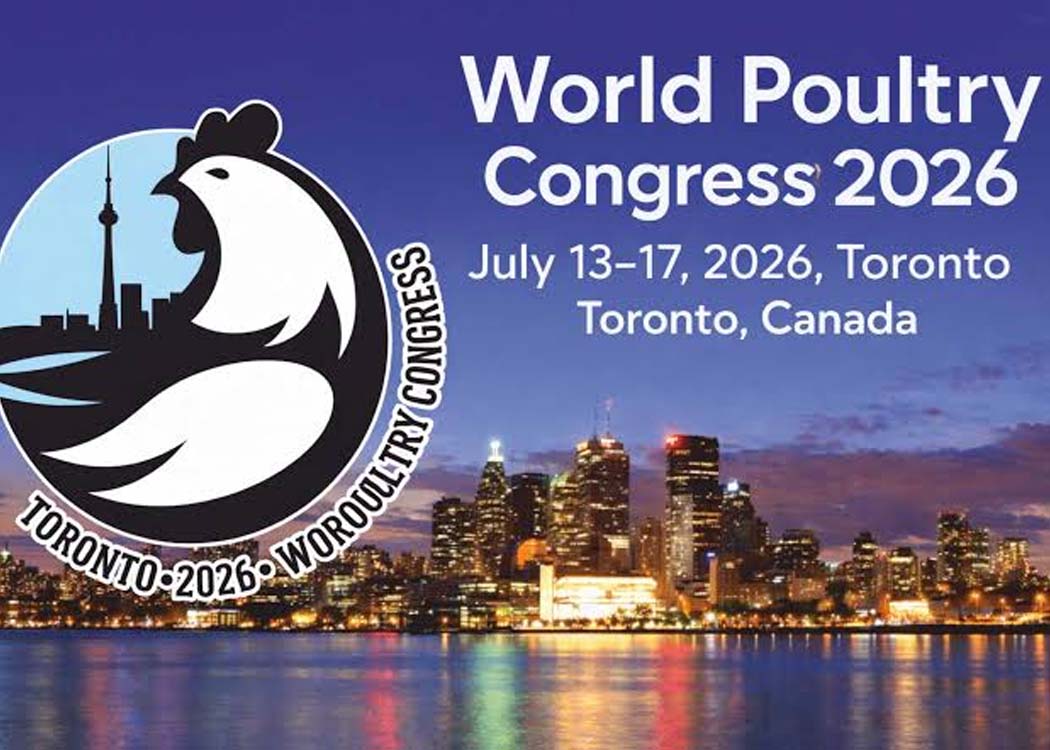
TORONTO: The global poultry industry is preparing for one of its most influential scientific and commercial gatherings as the World’s Poultry Congress (WPC) 2026 opens in Toronto, Canada, from July 13 to 17, bringing together thousands of experts to shape the future of poultry production, animal health and food security.
Organised under the auspices of the World’s Poultry Science Association (WPSA), the congress is held once every four years and is regarded as the world’s premier international forum for poultry science, research and industry collaboration. This year’s edition will take place at the Metro Toronto Convention Centre and is expected to attract more than 6,000 delegates from over 50 countries, including researchers, veterinarians, academics, government officials, students and leading representatives of the global poultry sector.
The five-day congress will showcase the latest scientific advances and technological innovations transforming poultry production at a time when the sector faces growing pressure to improve food security, strengthen disease preparedness and adopt more sustainable production systems.
The scientific programme spans virtually every major area of poultry science. Sessions will examine advances in poultry nutrition, genetics and breeding, microbiome research, precision farming, artificial intelligence, data analytics, disease prevention, antimicrobial stewardship, animal welfare, environmental sustainability, processing technologies and the growing role of poultry in meeting global protein demand. Young scientist programmes, poster presentations, keynote lectures, technical tours and industry exhibitions will also form part of the event.
One of the congress’s major attractions is its emphasis on collaboration between academia, industry and policymakers. Experts are expected to discuss practical solutions to challenges such as highly pathogenic avian influenza, rising feed costs, climate resilience, responsible antibiotic use and innovations that can improve productivity while maintaining high standards of animal health and welfare.
The event also provides an important platform for researchers to present cutting-edge findings before they are translated into commercial poultry production. Organisers say the congress aims to strengthen international partnerships, accelerate innovation and encourage knowledge exchange across both developed and emerging poultry-producing nations.
For countries with expanding poultry industries, including Pakistan, the congress offers valuable opportunities to learn from global best practices in disease surveillance, biosecurity, genetics, hatchery management, precision nutrition, digital farming technologies and sustainable production models. Experts believe such international collaboration is becoming increasingly important as poultry continues to play a central role in ensuring affordable animal protein for a growing global population.
The 2026 congress follows months of preparation by the North American branches of the World’s Poultry Science Association and is expected to generate important scientific discussions that could influence future research priorities, industry standards and public policy worldwide. Registration has attracted delegates from universities, research institutes, multinational poultry companies, veterinary organisations and government agencies, reinforcing the congress’s reputation as the leading global meeting for poultry science and innovation. As the poultry industry continues to evolve through digital technologies, artificial intelligence and sustainable production practices, industry observers will be closely watching the outcomes of WPC 2026, where many of the innovations likely to shape the next decade of global poultry production are expected to take centre stage.