

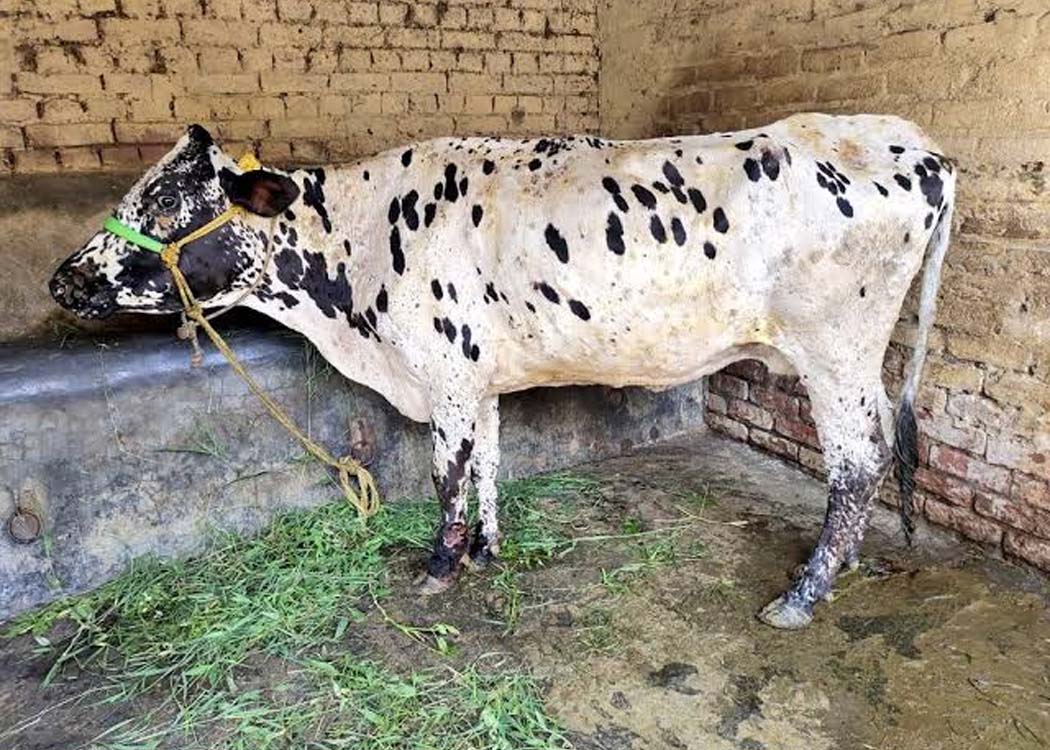
Farmers in several rural areas report rising suspected cases and costly private vaccines, while Livestock Department says no outbreak has been confirmed and describes the situation as isolated.
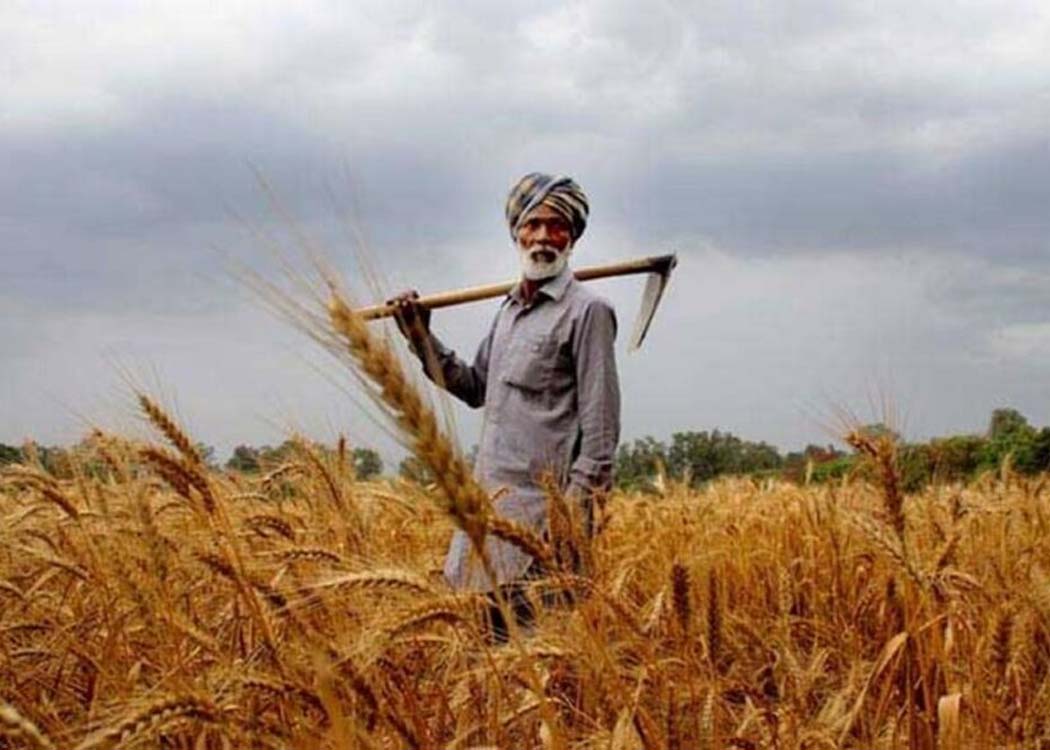
TAXILA: Concern is growing among cattle farmers and dairy owners in several rural areas of Jand tehsil after suspected cases of lumpy skin disease (LSD) were reported among cattle, prompting calls for wider surveillance, vaccination and veterinary support.
Farmers from Pind Suktani, Aurangabad, Injra, Khattakabad, Kani, Mathail, Kotwali, Thatta and Chabb have reported animals showing symptoms they associate with LSD. They fear the disease could spread further, particularly where livestock are exposed to ticks and other blood-feeding insects.
The reports, however, have not been classified as an outbreak by the local Livestock Department.
Deputy Director Livestock Development Dr Yasir Mustafa Butt told Dawn that the department had identified the affected locations through its Disease Investigation Department and was treating the situation as involving isolated cases. He said local residents were being informed through the department’s mobile application and field vaccinators.
Farmers, meanwhile, say access to government-supplied vaccines and veterinary services remains a concern. Some livestock owners claimed they had been compelled to obtain vaccines from private veterinary medicine stores, with one farmer putting the reported cost at about Rs11,000 per dose.
The farmers called for a district-wide assessment to establish the actual number of suspected and confirmed cases, along with expanded field surveillance, vaccination and treatment facilities.
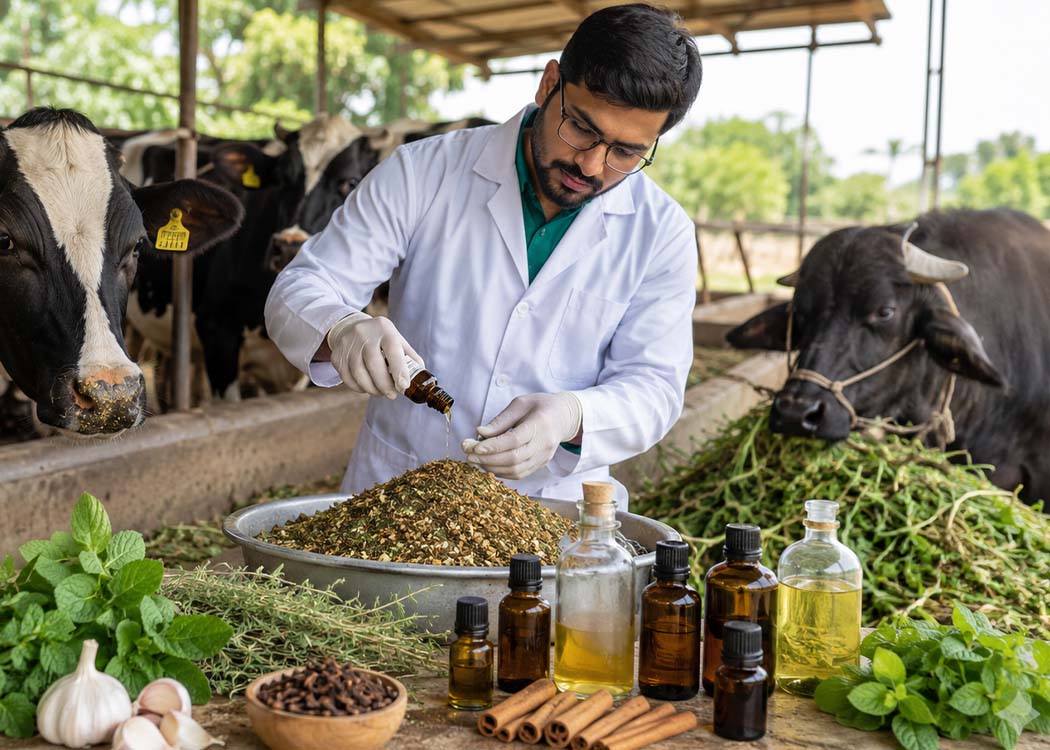
Farmer Ahmed Khan said the disease appeared to be associated with tick and mosquito activity, particularly around stagnant water and unhygienic livestock surroundings. He added that some small-scale farmers who could not afford private veterinary care were turning to traditional remedies.
Another farmer, Haji Irshad, urged the authorities to intervene quickly, warning that disease-related reductions in milk production and animal productivity could impose substantial financial losses on livestock-dependent households.
LSD is a viral disease of cattle that can cause fever, skin nodules, swelling, weakness and loss of appetite. Infected animals may also suffer reduced milk production, reproductive problems and damage to hides, potentially creating significant economic losses for farmers.
Recent research from Punjab has underscored the importance of vector control and animal-level risk factors in LSD transmission. A 2025 molecular study of clinically suspected cattle in Jhang and Bhakkar found LSD virus in 36.25% of 800 sampled animals. The study also found higher infection risk among animals that had not received acaricide treatment, highlighting the importance of controlling ticks and other vectors alongside vaccination.
Pakistan has experienced LSD in its livestock sector since the disease was first documented in the country in 2022. Research has described the disease as an important transboundary livestock threat because of its potential effects on dairy, meat and leather production.
The Pakistan Agricultural Research Council has also initiated work on identifying and characterising vaccine candidates for the development of a cost-effective vaccine against LSD virus in cattle.
For farmers in Jand, however, the immediate priority remains determining whether the reported cases represent isolated infections or a wider transmission pattern. A systematic assessment of suspected animals, timely laboratory confirmation, effective vector control and accessible vaccination would help authorities establish the scale of the problem and prevent unnecessary losses while avoiding alarm over unconfirmed outbreak reports.