


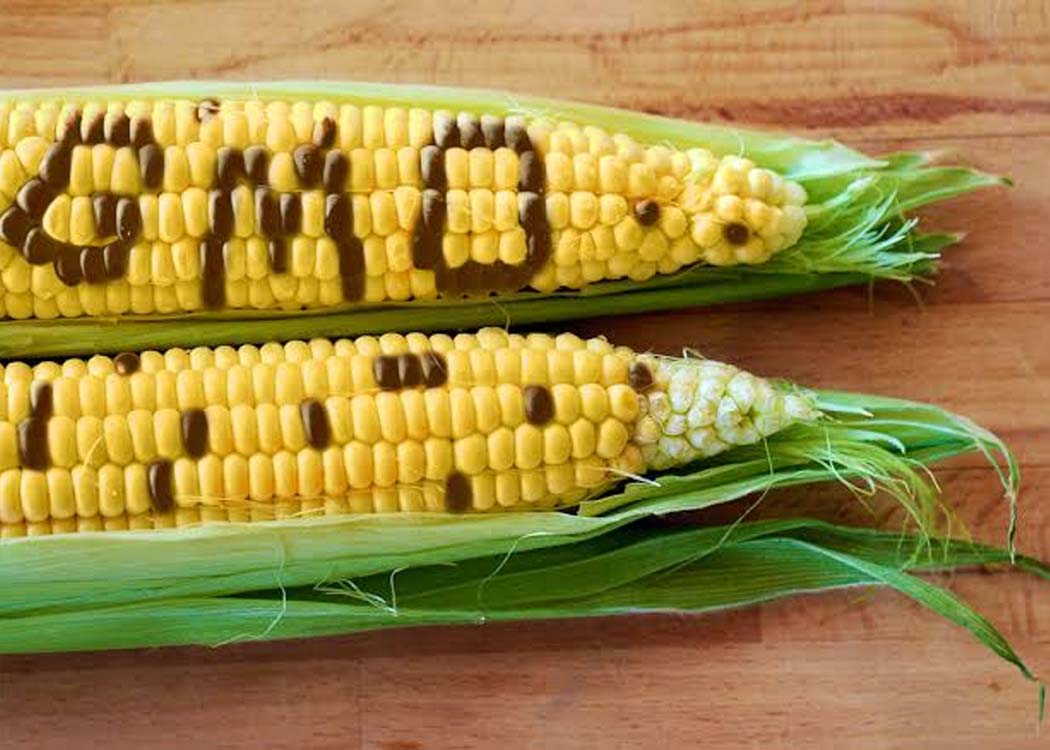
Pakistan Kisan Rabita Committee opposes commercial GM corn cultivation, warning that expanded use could affect seed sovereignty, agricultural biodiversity, farmer independence and access to export markets.
ISLAMABAD: Pakistan’s decision to allow the commercial cultivation of genetically modified (GM) corn has triggered opposition from the Pakistan Kisan Rabita Committee (PKRC), which is calling for a nationwide ban on the cultivation, sale, import and commercial use of genetically modified organisms.
The farmers’ organisation issued its demand after the government’s Committee on GM Corn, constituted by the prime minister, approved the commercialisation of GM corn on August 31.
The government has presented the move as part of efforts to modernise agriculture while allowing GM and conventional crops to coexist under regulatory safeguards. The PKRC, however, argues that the decision could have consequences extending beyond crop productivity — particularly for who controls seeds, how farmers access planting material and how Pakistan protects its agricultural diversity.
Farmers’ group challenges commercialisation decision
The PKRC rejected the government’s justification for commercial GM corn cultivation, arguing that the introduction of patented or commercially controlled seed varieties could increase farmers’ dependence on large seed companies.
The organisation said seeds are fundamental to farmer autonomy and food security, pointing to longstanding practices in which farmers save, exchange and re-sow locally adapted seeds.
It raised concerns that Pakistan’s evolving seed and plant-variety regulatory framework could strengthen commercial control over agricultural seed markets.
The PKRC specifically cited the Seed Act Amendment 2015, Plant Breeders’ Rights Act 2016 and National Seed Policy 2024, arguing that these measures could contribute to greater reliance on commercial seed suppliers.
Seed sovereignty becomes central issue
At the heart of the dispute is the question of seed sovereignty — the ability of farmers and communities to retain control over the seeds they grow, save and exchange.
The farmers’ body argues that greater reliance on proprietary GM seeds could alter this traditional relationship and make farmers more dependent on purchasing seed for successive planting seasons.
PKRC has therefore called for stronger legal protection for indigenous and locally developed crop varieties, as well as farmers’ collective rights to save, exchange and re-sow seeds.
The debate could become increasingly important if commercial GM cultivation expands and genetically modified varieties occupy a larger share of Pakistan’s agricultural landscape.
Concerns over cross-pollination and biodiversity
The PKRC also challenged the assumption that GM and non-GM crops can coexist without significant risks.
It warned that cross-pollination could transfer genetic material between crops, potentially affecting traditional varieties and agricultural biodiversity.
For farmers maintaining indigenous or non-GM varieties, the organisation said, protecting the genetic diversity of crops is an important consideration alongside the potential productivity gains associated with GM technology.
The issue is particularly relevant for crops such as corn, where pollen can travel between neighbouring fields under suitable conditions.
Export markets add another layer
The farmers’ organisation has also raised concerns about Pakistan’s agricultural exports.
PKRC argued that increased cultivation of GM crops could complicate access to markets where buyers or regulators impose strict requirements concerning genetically modified products.
It specifically referred to markets including the European Union, China, Australia and New Zealand, saying concerns over GMO status could affect Pakistan’s ability to meet particular market requirements for agricultural products.
However, the potential trade impact would depend on the specific crop, destination-market regulations, product standards and Pakistan’s ability to maintain segregation, traceability and appropriate certification where required.
PKRC calls for permanent GMO prohibition
Rather than seeking additional safeguards around GM corn, the PKRC is demanding a broader policy reversal.
The organisation has called for an immediate and permanent prohibition on the release, sale and commercial licensing of GMOs across Pakistan, along with a ban on their cultivation and import.
It is also demanding stronger statutory protection for local seed varieties and farmers’ rights to preserve, exchange and replant indigenous seeds.
The dispute now places two competing visions of agricultural policy in sharper focus: the government’s push toward agricultural modernisation and the farmers’ organisation’s concerns over corporate control, biodiversity and farmer autonomy.
As commercial GM corn cultivation moves forward, the debate is likely to centre on whether Pakistan’s regulatory safeguards can balance potential agricultural benefits with concerns over seed ownership, environmental coexistence, farmer rights and international market access.