

UK launches large-scale human trial of Moderna’s H5N1 vaccine amid growing global concern that avian influenza could evolve into a human-to-human threat
LONDON: In a move that signals growing urgency around future pandemic threats, scientists in the United Kingdom have begun human trials of a vaccine targeting the H5N1 bird flu virus—marking a critical step in global efforts to stay ahead of a potentially devastating outbreak.
The experimental vaccine, developed by Moderna and backed by the UK government, is being administered to around 4,000 volunteers in what is now one of the most closely watched vaccine trials in infectious disease research.
At the center of this effort is a concern that has been quietly intensifying among global health experts: while avian influenza currently spreads primarily from birds to humans, the virus is evolving—and the possibility of human-to-human transmission is no longer theoretical.
Dr. Rebecca Clark, the trial lead based in Blackpool, underscored the stakes. She noted that while the H5N1 strain does not yet spread easily between people, preparing for that scenario is no longer optional. It is essential.
A virus under watch, not yet under control
The H5N1 strain of avian influenza has long been monitored as a high-risk pathogen due to its severe impact when it does infect humans. While cases remain rare, they are often serious—and sometimes fatal.
In the UK, only two human cases have been confirmed since 2021. Globally, however, the picture is shifting. Since 2024, more than 100 human infections have been reported, with several resulting in death—particularly in regions with close human-animal contact.
According to the UK Health Security Agency, the current risk to the general population remains low. Most infections have occurred among individuals working directly with poultry or living in close proximity to infected birds.
But that reassurance comes with a warning.
Health authorities stress that influenza viruses are unpredictable by nature. Genetic mutations or reassortment events could enable the virus to adapt—potentially allowing it to spread more efficiently between humans.
Why this trial matters now
The COVID-19 pandemic fundamentally reshaped how governments and scientists approach emerging infectious diseases. One of the biggest lessons was the cost of reacting too late.
This trial represents a shift toward proactive pandemic defense.
Unlike traditional vaccine development timelines that begin after widespread outbreaks, this effort is designed to build immunity tools before a crisis unfolds. If successful, the vaccine could be rapidly deployed in the event of a mutation-driven surge.
The use of mRNA technology—similar to that used in COVID-19 vaccines—also allows for faster adaptation should the virus evolve further.
A growing intersection of animal and human health
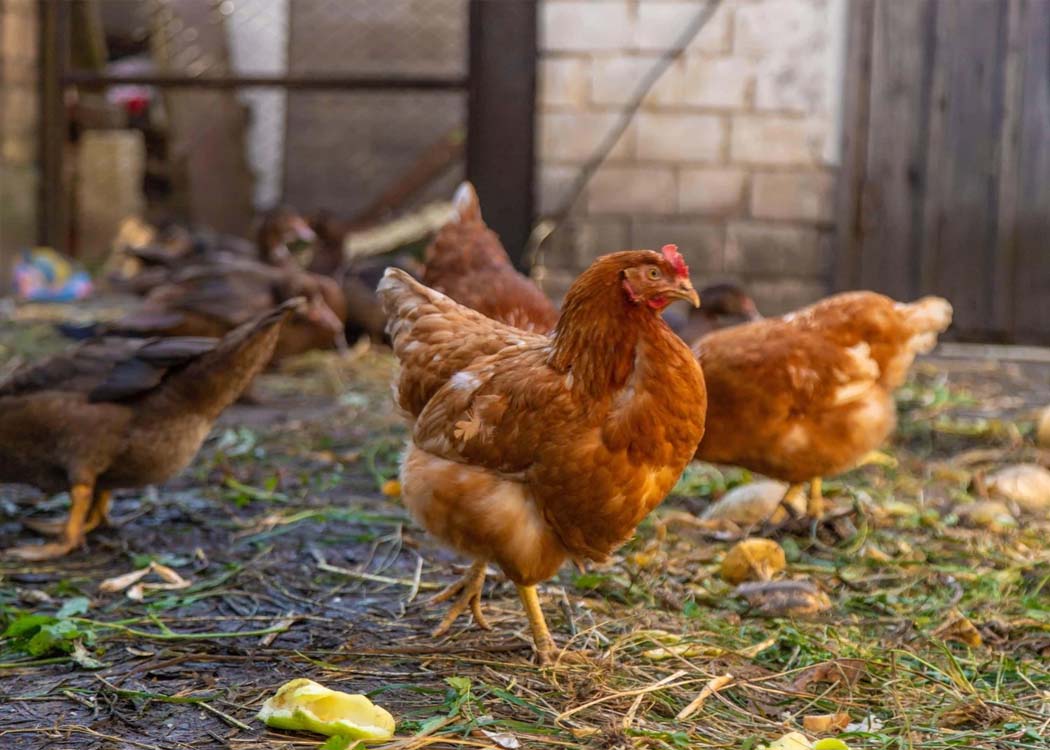
Bird flu is not just a medical concern—it is deeply tied to agriculture, food systems, and global trade. Outbreaks in poultry populations have already caused significant economic losses worldwide, with mass culling campaigns disrupting supply chains.
More importantly, these outbreaks increase the opportunities for viral spillover into humans.
Experts emphasize that zoonotic diseases—those that jump from animals to humans—are becoming more frequent due to changing environmental conditions, intensified farming practices, and increased human-animal interaction.
H5N1 sits at the center of that risk landscape.
Preparedness over panic
For now, health agencies maintain that there is no immediate cause for alarm among the general public. But the launch of this trial sends a clear signal: the world is no longer waiting for the next pandemic to begin preparing for it.
Instead, the strategy is shifting toward anticipation, surveillance, and early intervention.
Because in the case of fast-evolving viruses, the difference between preparedness and delay can define global outcomes. And as scientists race to stay ahead of H5N1, one reality is becoming increasingly difficult to ignore—the next pandemic threat may already be in motion.