

Beijing signals renewed agricultural cooperation with Washington following high-level talks between Donald Trump and Xi Jinping, offering relief to American farmers hit by tariffs, falling exports, and global supply chain disruptions.
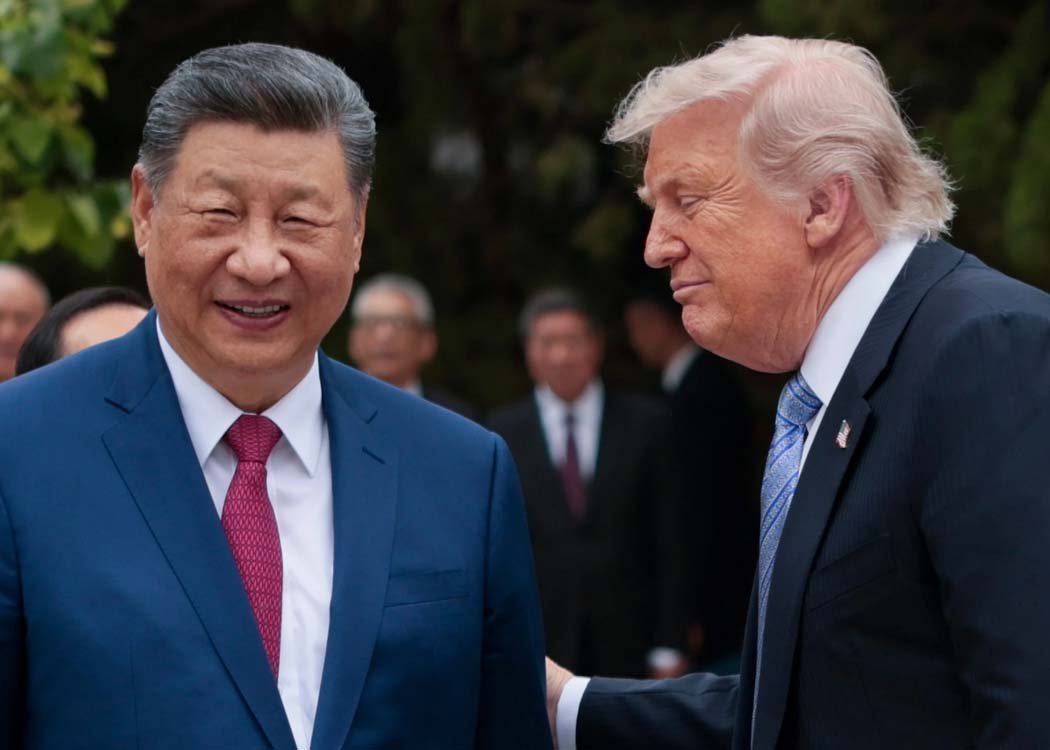
WASHINGTON: China has agreed to significantly increase imports of American agricultural products, including beef and poultry, following a high-stakes summit between U.S. President Donald Trump and Chinese President Xi Jinping in Beijing, marking one of the most important trade developments between the two countries since the escalation of the U.S.-China trade war.
According to the White House, China is expected to purchase U.S. agricultural goods at an annualized rate of approximately $17 billion for 2026, with similar commitments projected for 2027 and 2028. The agreement includes the restoration of market access for American beef and the resumption of poultry imports from U.S. states officially cleared of bird flu concerns by the U.S. Department of Agriculture.
The development comes as Washington seeks to ease mounting economic pressure on American farmers who have faced years of declining exports to China due to tariffs, geopolitical tensions, and shifting global supply chains.
Agricultural trade becomes centerpiece of renewed diplomacy
The trade understandings emerged after Trump’s recent diplomatic visit to Beijing, where economic cooperation and trade stability reportedly dominated discussions between the two leaders.
While Beijing has not formally confirmed all details announced by the White House, China’s Ministry of Commerce stated that both countries had agreed to make “substantial progress” on resolving market access barriers and non-tariff restrictions involving agricultural products.
Chinese officials also said both sides would actively work toward addressing concerns affecting agricultural trade, including U.S. restrictions on certain Chinese dairy and seafood products, and Chinese concerns regarding American poultry exports and beef facility registrations.
The two countries additionally agreed in principle to pursue reciprocal tariff reductions on selected products, though specific sectors and timelines were not publicly disclosed.
US farmers seek recovery after export collapse
The agreement could provide critical support to American agricultural producers, particularly soybean, beef, and poultry exporters who were among the hardest hit during the prolonged trade dispute between Washington and Beijing.
U.S. Department of Agriculture data shows Chinese imports of American agricultural products fell sharply from approximately $38 billion in 2022 to just $8 billion in 2025.
Soybean exports — historically one of America’s largest agricultural exports to China — suffered especially severe declines after Beijing sharply reduced purchases in response to U.S. tariffs imposed during the trade conflict.
According to previous White House statements, China had already agreed in earlier negotiations to resume soybean purchases, including commitments of up to 25 million metric tons annually over multiple years. However, export volumes have remained well below historic levels.
Agricultural groups in the United States have repeatedly urged the Trump administration to stabilize trade ties with China, warning that uncertainty has damaged farmer confidence and long-term planning.
Beef and poultry sectors expected to benefit
The latest agreement could also reopen major opportunities for American meat exporters.
Hundreds of U.S. beef processing facilities — including plants operated by major companies such as Tyson Foods and Cargill — are expected to regain access to Chinese markets after many export licenses expired last year.
China’s imports of U.S. beef had previously peaked at more than $2 billion in 2022 before falling sharply during the trade tensions.
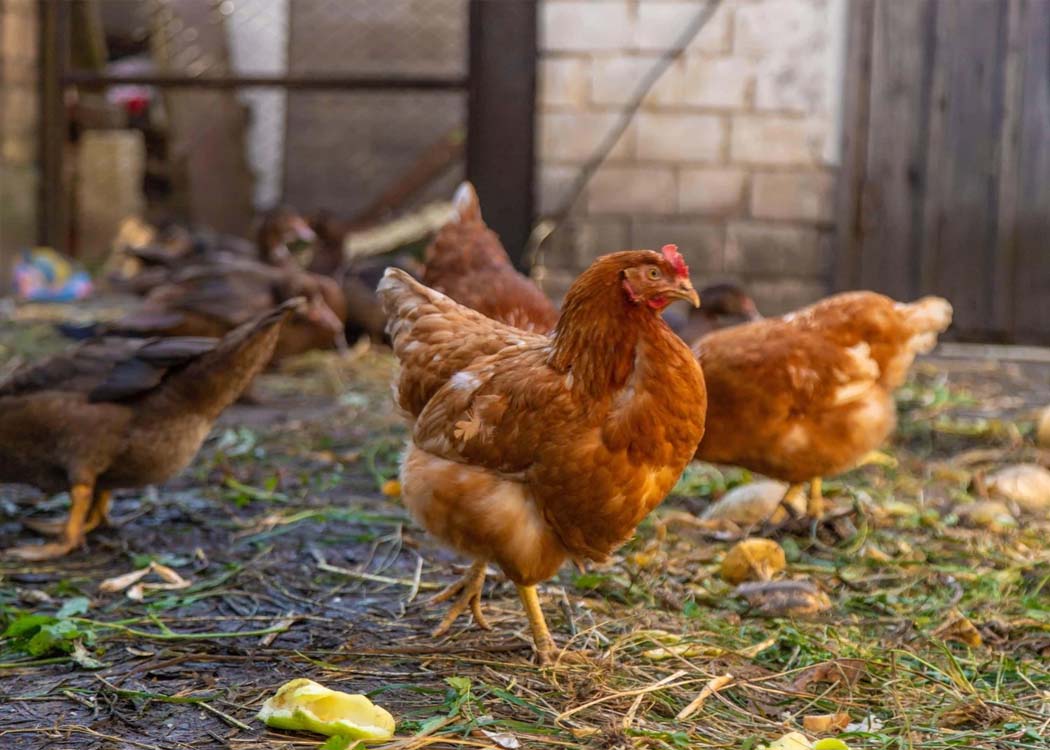
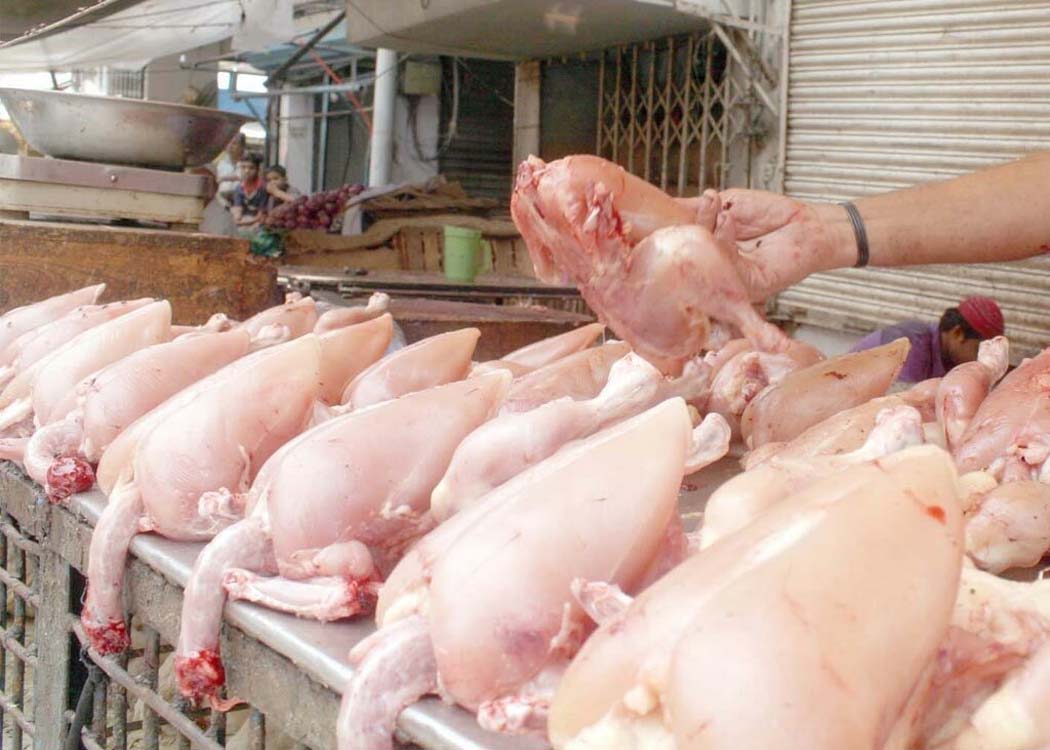
Similarly, American poultry exports to China declined significantly after bird flu-related restrictions and broader trade barriers disrupted shipments.
Industry analysts say renewed access to China could help stabilize prices and support recovery for U.S. agricultural sectors struggling with rising production costs and weakening global demand.
Broader economic and geopolitical pressures remain
Despite signs of improved cooperation, broader economic and geopolitical tensions continue to affect trade relations between the world’s two largest economies.
The White House noted that the ongoing regional conflict involving Iran has disrupted shipping routes through the Strait of Hormuz, creating additional pressure on fertilizer markets and agricultural supply chains worldwide.
At the same time, China has increasingly diversified its agricultural imports in recent years, strengthening trade ties with countries such as Brazil and Argentina to reduce dependence on American products.
Trade analysts say this means the latest agreements may improve relations but are unlikely to fully restore previous levels of U.S. dominance in Chinese agricultural imports.
New trade and investment mechanisms proposed
As part of the summit outcomes, both governments also agreed to establish separate “Board of Trade” and “Board of Investments” mechanisms aimed at managing future trade and investment disputes involving non-sensitive sectors.
According to both Washington and Beijing, the proposed platforms are expected to facilitate discussions on tariffs, investment barriers, and broader economic cooperation.
Chinese President Xi Jinping stated during meetings with American business leaders that China’s “door of opportunity will open wider,” signaling Beijing’s interest in maintaining stable economic engagement despite ongoing strategic competition with the United States. Experts say the success of the agreements will depend largely on implementation, consistency, and whether both sides can maintain diplomatic momentum amid continuing geopolitical and economic uncertainty.