

UN food agency says prolonged disruption in the Strait of Hormuz could trigger soaring food inflation, fertilizer shortages, supply chain breakdowns, and a worldwide agrifood crisis within months
The Food and Agriculture Organization (FAO) has issued a stark warning that continued disruption in the Strait of Hormuz could trigger a major global agrifood shock, raising fears of sharp food price increases, fertilizer shortages, and growing food insecurity across vulnerable countries.
According to a new warning highlighted by Reuters, the UN food agency believes the crisis could evolve into a severe global food price emergency within the next six to twelve months if trade disruptions continue through one of the world’s most strategically important maritime corridors.
Why the Strait of Hormuz matters to global food systems
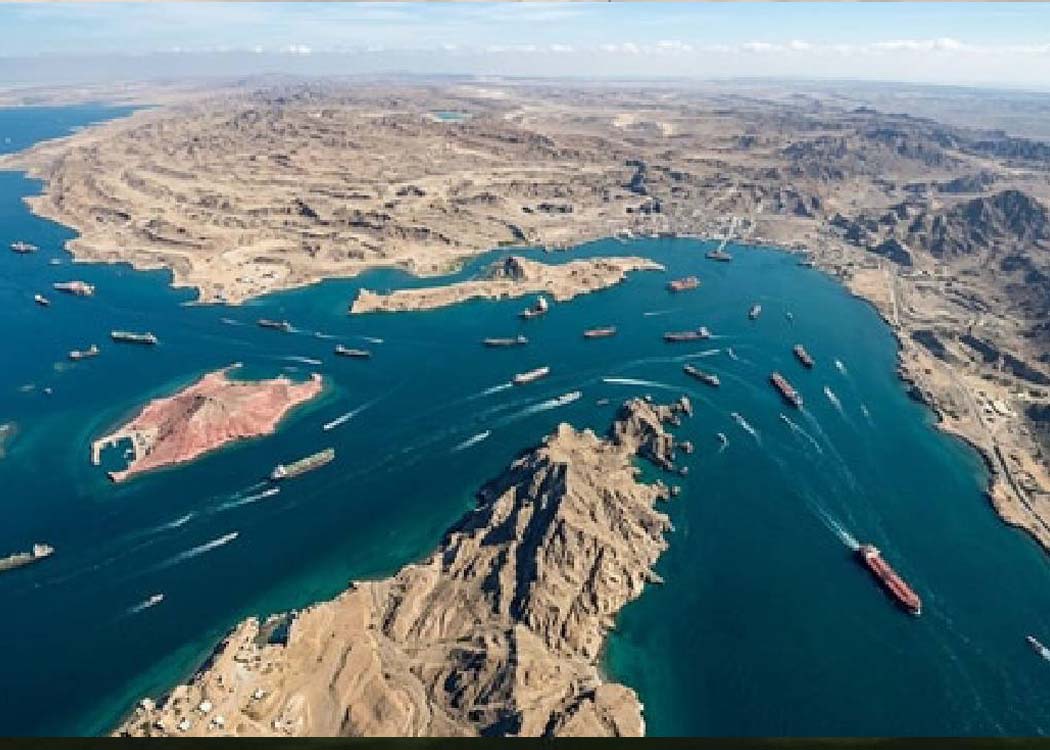
The Strait of Hormuz is one of the world’s most critical shipping chokepoints, handling a substantial share of global oil, liquefied natural gas, fertilizer materials, and agricultural supply flows.
Experts warn that prolonged restrictions in the waterway are already creating ripple effects across global energy and fertilizer markets — both of which are deeply linked to modern food production systems.
The FAO says rising energy costs, disrupted fertilizer shipments, and delayed agricultural inputs could severely impact crop production cycles in multiple regions, particularly in developing countries that are heavily dependent on imported fertilizers and fuel.
Food inflation fears growing worldwide
The warning comes amid increasing global concerns over food inflation, supply chain instability, and commodity market volatility.
Analysts say any sustained disruption in fertilizer availability could directly reduce crop yields and increase production costs for staple foods including wheat, rice, corn, vegetables, poultry feed, and livestock products.
The Gulf region plays a major role in global fertilizer production, accounting for nearly half of global urea output and a significant share of ammonia exports used in agriculture. A disruption in these supplies could affect farming systems worldwide.
The FAO has warned that poorer countries could face the greatest risks because planting calendars leave little room for delays in securing key agricultural inputs.
Agriculture, livestock, poultry sectors at risk
Experts say the impact may not remain limited to crop farming alone.
Higher fertilizer and fuel prices could push up costs across:
- Livestock farming
- Poultry production
- Dairy industries
- Fisheries and aquaculture
- Meat processing and transportation
- Food packaging and distribution
Rising feed costs could particularly affect poultry, beef, dairy, and egg markets in countries already facing inflationary pressure.
Industry observers also warn that disruptions to global shipping routes could slow food imports, increase transportation expenses, and create shortages of agricultural raw materials in import-dependent economies.
A warning with global implications
The latest FAO alert highlights how geopolitical tensions are increasingly intersecting with global food systems, energy security, and agricultural sustainability.
International food agencies and economists fear that a prolonged crisis could create conditions similar to previous global food emergencies, where energy shocks translated into widespread inflation and rising hunger levels.
The FAO says urgent international coordination may be required to stabilize shipping flows, protect fertilizer supplies, and prevent a deeper escalation in food insecurity worldwide. With global food systems still recovering from recent inflationary pressures and climate-related disruptions, the agency warns that any further instability in critical trade corridors could have far-reaching consequences for farmers, consumers, and food markets across the world.