

A powerful El Niño, ongoing geopolitical conflicts and disruptions to global energy, fertilizer and grain supplies are raising fears of a fresh food inflation crisis, with experts warning that grocery prices could climb sharply if climate shocks and wars continue to disrupt agricultural production.
Growing concerns are emerging over a potential new wave of global food inflation as climate scientists, economists and food security experts warn that an exceptionally strong El Niño weather pattern, coupled with ongoing geopolitical conflicts, could significantly disrupt agricultural production and international food supply chains.
The convergence of extreme weather, war-related trade disruptions and rising energy costs is creating what some analysts describe as a “perfect storm” for global food markets. If current trends continue, consumers around the world could face higher prices for staple foods, fresh produce and everyday grocery items over the coming months.
Why El Niño matters for global agriculture
El Niño is a naturally occurring climate phenomenon caused by the warming of surface waters in the central and eastern Pacific Ocean. Although it originates in the Pacific, its effects extend across the globe by altering rainfall patterns, temperatures and weather systems.
A strong El Niño can trigger:
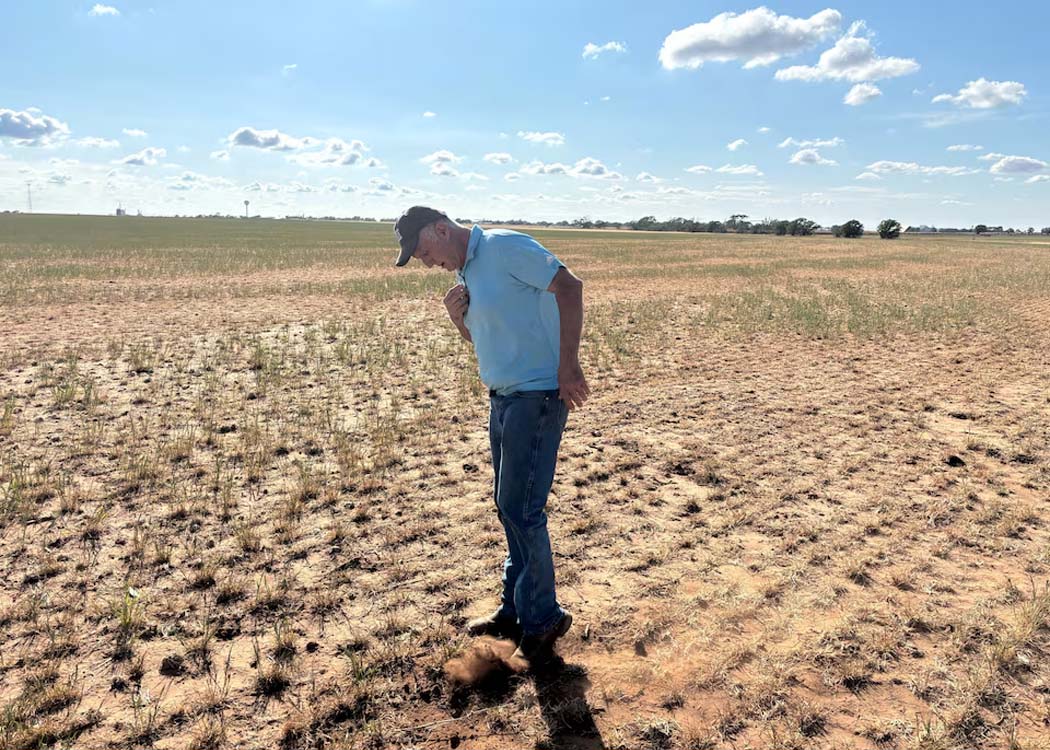
- Severe droughts in major crop-producing regions
- Flooding that destroys farmland and harvests
- Prolonged heatwaves that reduce crop yields
- Water shortages affecting irrigation
- Livestock stress and lower productivity
These weather extremes directly affect the production of key agricultural commodities including wheat, rice, maize, soybeans, coffee, sugar, palm oil and vegetables, ultimately increasing food prices worldwide.
Wars add pressure to already fragile food systems
Climate is not the only concern.
Conflicts in key regions, particularly around major grain-exporting areas and strategic shipping routes, continue to disrupt global agricultural trade.
Military tensions have affected:
- Grain exports
- Fertilizer supplies
- Fuel availability
- Shipping costs
- Agricultural input prices
Higher fuel prices increase the cost of operating farm machinery, irrigation systems, transportation and food processing, while fertilizer shortages raise production costs for farmers around the world.
Analysts say these combined pressures can significantly reduce food availability while making agricultural production more expensive.
Fertilizer and energy costs remain critical
Modern agriculture depends heavily on fertilizers produced using natural gas and other energy-intensive processes.
Disruptions to global energy markets increase fertilizer prices, forcing many farmers to reduce fertilizer use or scale back planting. Lower fertilizer application often translates into reduced crop yields, further tightening food supplies.
Experts warn that prolonged disruptions in fertilizer markets could affect harvests well beyond a single growing season.
Food inflation could affect every household
Although food inflation begins with farmers and commodity markets, its effects are ultimately felt by consumers.
Higher production and transportation costs can increase the prices of:
- Bread and cereals
- Rice
- Fresh fruits and vegetables
- Dairy products
- Meat and poultry
- Cooking oils
- Coffee and sugar
Low-income households are generally the hardest hit because food accounts for a larger share of their household spending.
International organizations warn that continued increases in food prices could also worsen malnutrition and food insecurity in vulnerable regions.
Food security concerns extend beyond inflation
The United Nations and global humanitarian organizations caution that climate change, conflict and trade disruptions pose long-term risks to global food security.
Recent assessments indicate that while global hunger declined in 2025, hundreds of millions of people still lack regular access to sufficient nutritious food. Experts warn that further climate shocks and supply disruptions could reverse recent progress, particularly in low- and middle-income countries.
Agriculture faces growing climate uncertainty
Farmers worldwide are increasingly adapting to unpredictable weather by investing in drought-resistant crop varieties, improved irrigation systems, climate-smart farming techniques and precision agriculture.
However, experts say adaptation alone cannot fully offset the combined impacts of extreme weather, conflict and rising production costs.
Governments, international organizations and the agricultural sector may need to strengthen food supply chains, expand grain reserves and invest in resilient farming systems to reduce future risks.
What consumers should expect
Economists emphasize that the exact impact on grocery bills will depend on how severe El Niño becomes, how long geopolitical tensions persist and whether agricultural production rebounds in major exporting countries.
Nevertheless, current indicators suggest that consumers should prepare for continued volatility in food prices, particularly for commodities heavily influenced by weather conditions and international trade. As climate extremes become more frequent and geopolitical uncertainty continues, ensuring stable food supplies is increasingly becoming one of the world’s most pressing economic and public health challenges.