

RSPCA Assured warns that extreme heat can cause serious welfare problems for poultry and other farm animals, advising farmers to improve ventilation, provide additional water and shade, and closely monitor birds for signs of heat stress.
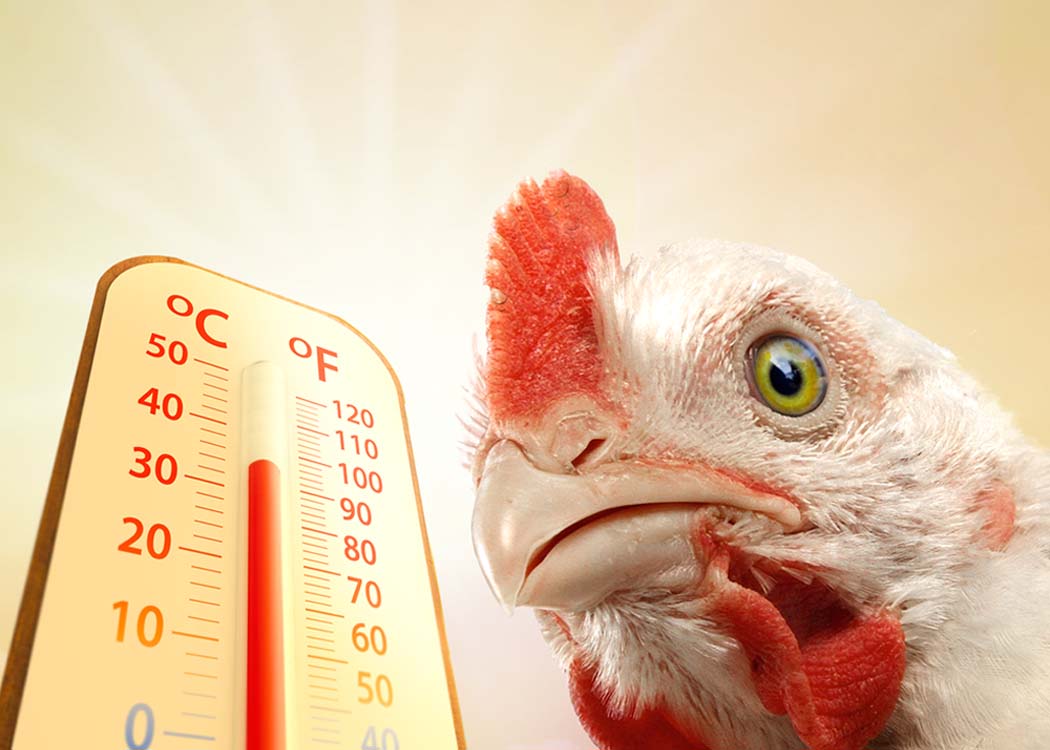
LONDON: Poultry farmers are being urged to take immediate steps to keep birds cool as temperatures in parts of the United Kingdom are forecast to approach 40°C, raising concerns about heat stress and animal welfare. Recent severe heat alerts have prompted fresh guidance from animal welfare experts, who warn that extreme temperatures can quickly become life-threatening for poultry flocks.
RSPCA Assured said hot weather poses significant risks to farm animals and emphasized that proactive heat management is essential, particularly for poultry housed indoors or kept in densely populated sheds.
Allan Pearson, Farming and Technical Engagement Manager at RSPCA Assured, said:
“Knowing how to spot the signs of heat stress and how to prevent it is essential for the welfare of farmed animals.”
Experts advise poultry producers to ensure adequate ventilation and airflow within poultry houses. Additional fans may be needed to keep air moving and reduce indoor temperatures. Farmers are also being encouraged to pay close attention to water availability, ensuring birds have constant access to fresh, clean drinking water. Adding extra drinkers can help reduce competition and improve hydration during periods of extreme heat.
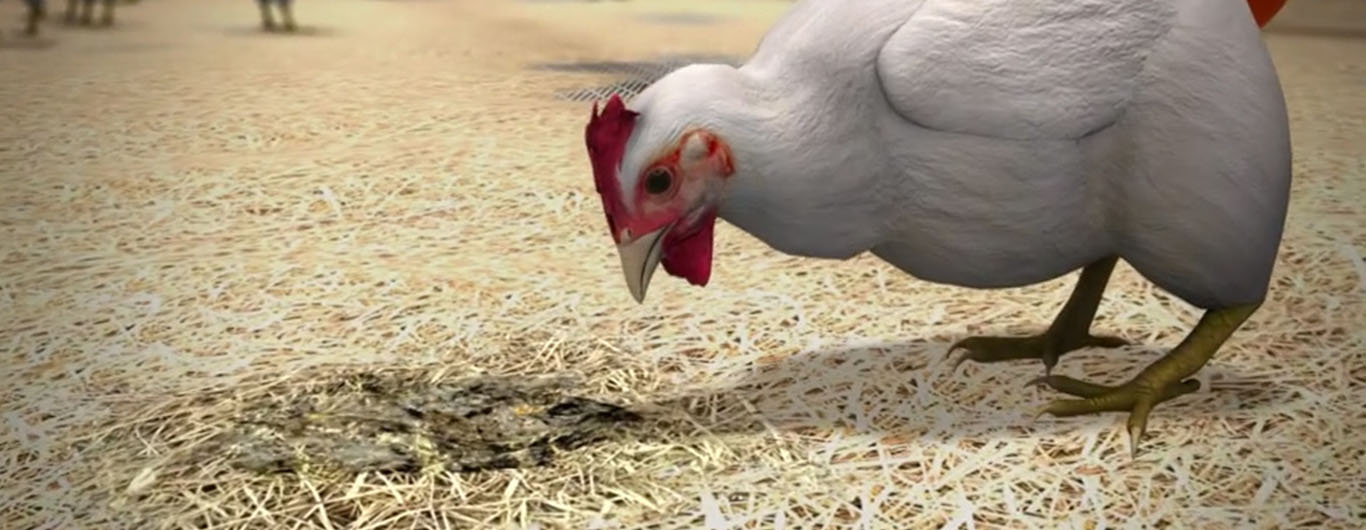
For free-range poultry, shaded areas and well-ventilated dust-bathing sites are considered particularly important. Dust bathing helps hens regulate body temperature and maintain comfort during hot weather.
Animal welfare specialists warn that poultry are especially vulnerable to heat stress because birds have limited ability to dissipate excess body heat. Common signs of heat stress include panting, open-mouth breathing, drooping wings, lethargy, reduced feed intake, and clustering near water sources. Severe cases can result in dehydration, collapse, and mortality.
The warning comes as Europe experiences another period of unusually high temperatures. Animal welfare groups have cautioned that extreme heat events are becoming more frequent and could pose increasing challenges for livestock production and food systems in the years ahead.
Pearson also urged farmers to seek professional advice when necessary.
“If an animal appears to be suffering from heat stress and you are unsure what to do, you should seek immediate advice from your vet.” RSPCA Assured said it remains available to provide technical guidance and support to farmers managing welfare challenges during the heatwave. The organization stressed that preparedness, close monitoring, and early intervention are key to protecting poultry flocks as temperatures continue to rise.