

Record temperatures, prolonged dry weather and canal water shortages are damaging cotton fields, driving up prices, disrupting ginning operations and raising fears of higher imports and job losses.
LAHORE: Pakistan’s cotton sector is facing mounting pressure as an intense heatwave, prolonged dry conditions and worsening water shortages threaten to sharply reduce this season’s cotton production, raising concerns for the country’s textile industry and export economy.
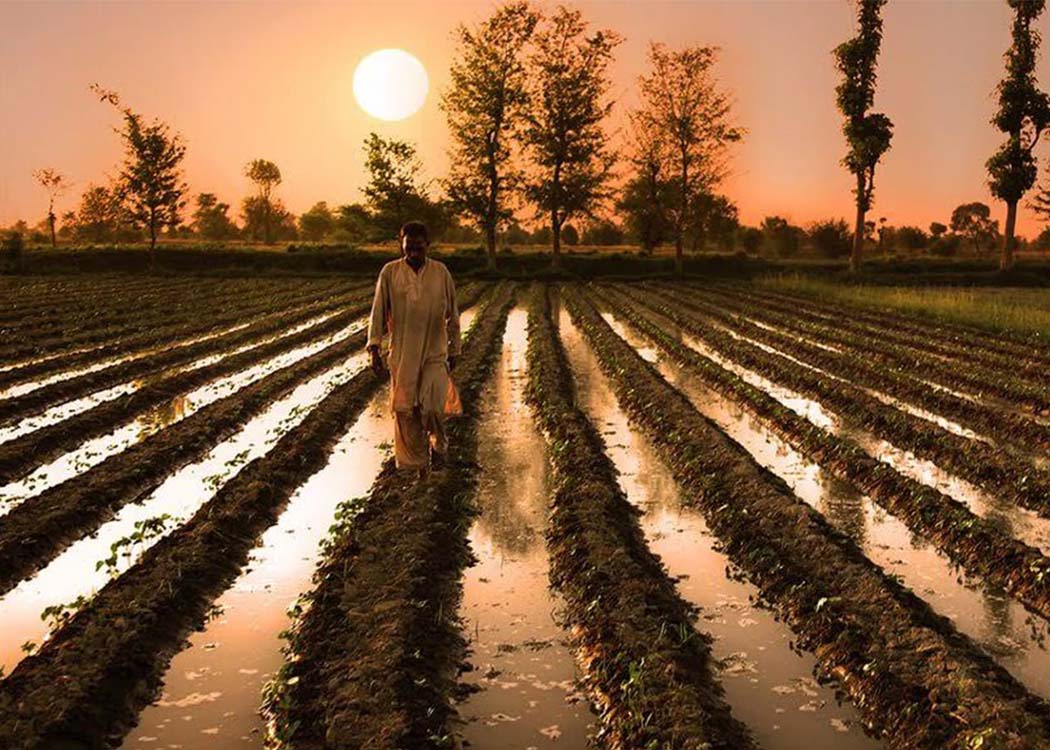
Industry stakeholders say exceptionally high temperatures, the absence of meaningful rainfall and severe canal water shortages—particularly in Sindh—have placed cotton crops under extreme stress. Farmers are reporting widespread wilting, slower plant growth and increasing attacks by pests such as mites and lice, all of which are expected to reduce both crop yields and fibre quality.
The anticipated production shortfall has already begun affecting markets. Cotton arrivals at ginning factories have declined significantly, pushing lint prices up by around Rs400 per maund over the past week to Rs18,200 in Punjab and Rs17,700 in Sindh, with traders warning that further increases remain possible if supplies continue to tighten.
The slowdown has also affected Pakistan’s cotton processing industry. In several cotton-growing regions, ginning factories have either suspended operations or delayed production because of limited cotton arrivals. Industry representatives say the situation is particularly serious in Tando Adam, while Rahim Yar Khan, Punjab’s second-largest cotton-producing region, has reportedly seen no ginning factory operating by the second week of July—an unprecedented development in about 15 years.
Beyond climate-related challenges, industry leaders argue that financial pressures are compounding the crisis. The Cotton Ginners Forum says the sector continues to face an effective 86% sales tax burden, which it says remained unresolved in the latest federal budget, placing additional strain on already struggling businesses.
Chairman of the Cotton Ginners Forum Ihsanul Haq urged policymakers to prioritize industrial revival, arguing that strengthening domestic production offers a more sustainable path to economic recovery than continued dependence on external financial assistance.
Meanwhile, the Punjab Agriculture Department has issued an advisory urging farmers to adapt irrigation practices to extreme weather conditions by shortening irrigation intervals while reducing water volumes. It has also recommended applying micronutrients, including boron, and spraying a weekly solution containing two kilograms of potassium nitrate in 100 litres of water on early-sown cotton to help plants withstand heat stress.
Agricultural experts warn that if extreme weather persists during critical crop development stages, Pakistan could face increased reliance on costly cotton imports, adding further pressure to the textile sector and the national economy.