

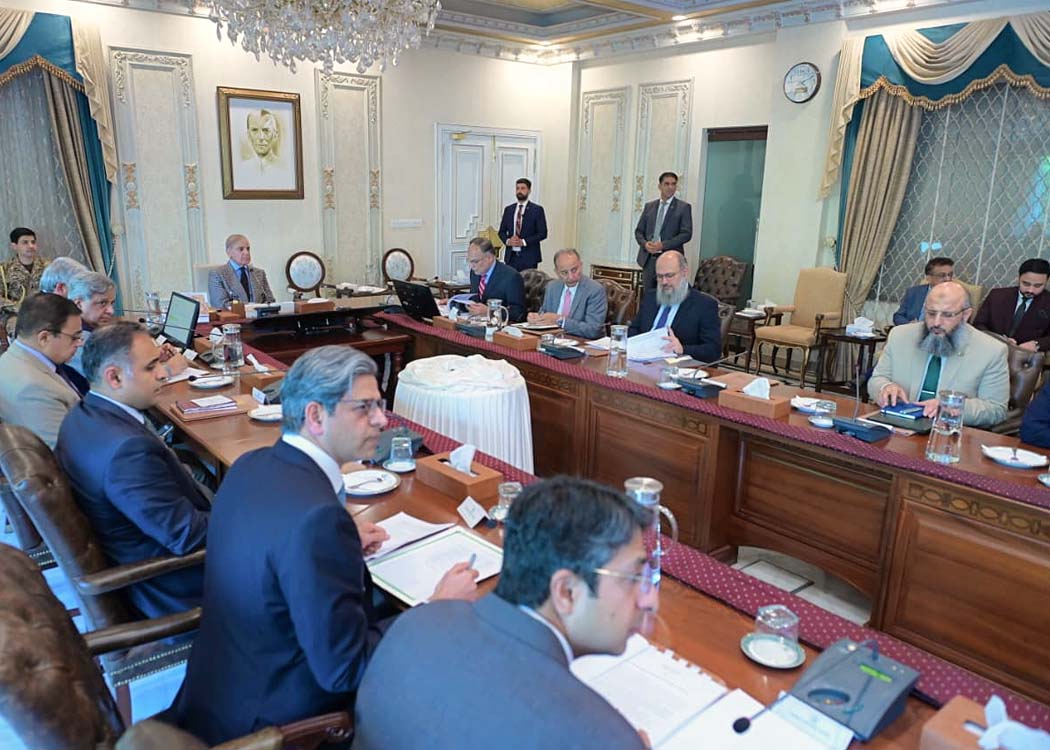
PM Shehbaz Sharif orders a national vaccine production strategy within seven days as Pakistan moves to strengthen animal disease protection, reform livestock institutions and expand meat and dairy exports.
ISLAMABAD: Pakistan is moving towards establishing a national livestock vaccine manufacturing facility after Prime Minister Shehbaz Sharif directed authorities to develop a plan within one week, amid concerns over the regulatory status of veterinary vaccines currently available in the country.
The proposed facility, planned for the National Agricultural Research Centre (NARC) in Islamabad, would focus on producing modern, effective and locally manufactured vaccines to strengthen animal disease prevention and support Pakistan’s livestock industry.
Chairing a high-level meeting on livestock sector reforms on Monday, the prime minister announced that the federal government would establish the plant using its own resources, according to the Prime Minister’s Office.
The announcement comes as Pakistan seeks to strengthen domestic veterinary vaccine production, improve livestock productivity and reduce the economic damage caused by infectious animal diseases.
Regulatory concerns bring veterinary vaccines into focus
A significant issue raised during the meeting was the regulatory status of veterinary vaccines.
Officials informed the prime minister that livestock vaccines currently available in Pakistan had not received approval from the Drug Regulatory Authority of Pakistan (DRAP), prompting efforts to establish domestic production of purified vaccines.
The statement raises important questions about vaccine registration, quality assurance and regulatory oversight. However, the government’s briefing did not identify the specific products involved or provide a detailed assessment of their approval status.
DRAP already maintains a regulatory framework for veterinary biological products, including vaccine registration and evaluation requirements.
Pakistan also has existing local animal vaccine manufacturing capacity. The Sindh Institute of Animal Health in Karachi, for example, reports producing more than 300 million doses of livestock and poultry vaccines annually.
The proposed national facility would therefore represent an expansion of domestic manufacturing capacity rather than the country’s first venture into veterinary vaccine production.
Why livestock vaccine production matters for Pakistan
Animal disease prevention carries major economic importance in Pakistan, where livestock is one of the largest contributors to agricultural output.
According to the Pakistan Economic Survey 2025–26, livestock contributed 14.64% of national GDP and 62.45% of agricultural value added, recording growth of 3.75% during the financial year.
Infectious diseases remain a persistent threat to this sector, particularly foot-and-mouth disease (FMD), which affects cattle and other susceptible animals and can sharply reduce milk production, disrupt livestock trade and impose significant losses on farmers.
The Food and Agriculture Organization (FAO) has identified FMD as an endemic disease in Pakistan and highlighted the importance of vaccination, surveillance and improved veterinary infrastructure in controlling outbreaks.
Pakistan’s continued reliance on international vaccine supplies also illustrates the importance of strengthening local capacity. In June 2026, the government announced the restoration of Russian FMD vaccine supplies, while China donated veterinary vaccines targeting lumpy skin disease and brucellosis in September.
If successfully implemented, the proposed facility could improve access to locally developed veterinary vaccines, strengthen preparedness against outbreaks and help protect the livelihoods of livestock farmers.
Government orders overhaul of Livestock Development Board
Alongside the vaccine production initiative, Prime Minister Shehbaz Sharif directed the restructuring of the Livestock and Dairy Development Board (LDDB), established in 2007 to promote animal breeding, improve milk and meat production and support livestock development.
He called for private-sector specialists to be included in the board’s leadership and operations to improve its performance and effectiveness.
The government has been instructed to submit a restructuring proposal without delay, with greater private-sector involvement identified as a priority for modernising the industry.
Meat and dairy exports also under review
The meeting also focused on increasing Pakistan’s livestock-related exports through better processing, quality assurance and value addition.
The prime minister directed authorities to establish dedicated bonded warehouses for imported livestock and ensure that animals brought into the country are used to produce higher-value meat and dairy products for export.
Officials confirmed that third-party audits of slaughterhouses had commenced, reflecting efforts to improve quality control and strengthen the competitiveness of Pakistani livestock products in international markets.
Better animal health protection could support these ambitions by reducing disease-related production losses and strengthening compliance with veterinary health requirements in destination markets.
What happens next?
The immediate priority is the submission of a detailed strategy for the proposed NARC vaccine manufacturing facility.
Key implementation details, including the project’s estimated cost, manufacturing capacity, vaccines to be produced and expected operational timeline, have not yet been announced.
The success of the initiative will ultimately depend on translating the government’s announcement into a functional, appropriately regulated production facility capable of delivering reliable veterinary vaccines at scale.
For Pakistan’s livestock industry, the initiative offers an opportunity to strengthen domestic vaccine manufacturing, improve animal disease prevention and support the long-term sustainability of meat and dairy production.